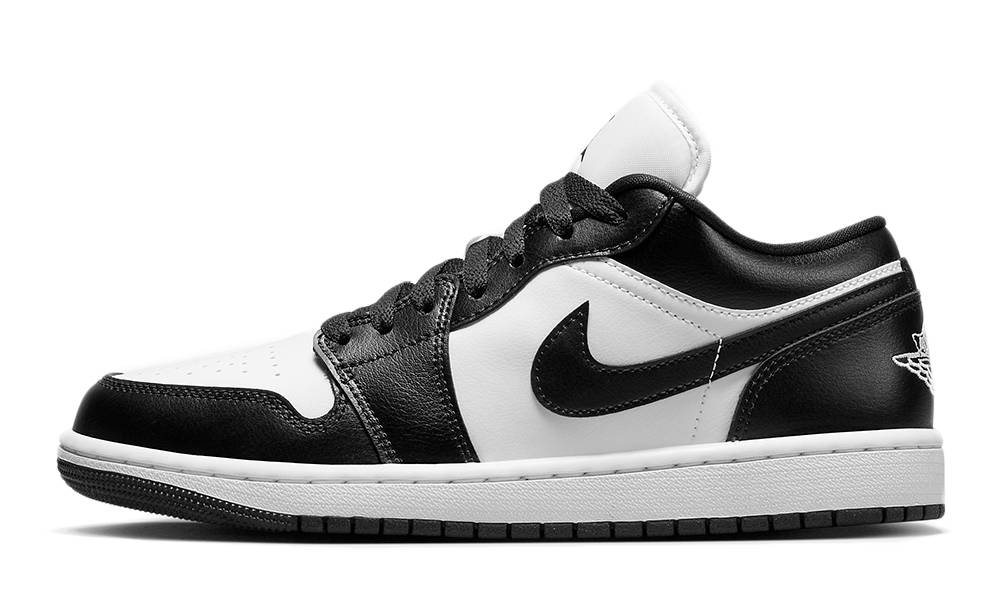
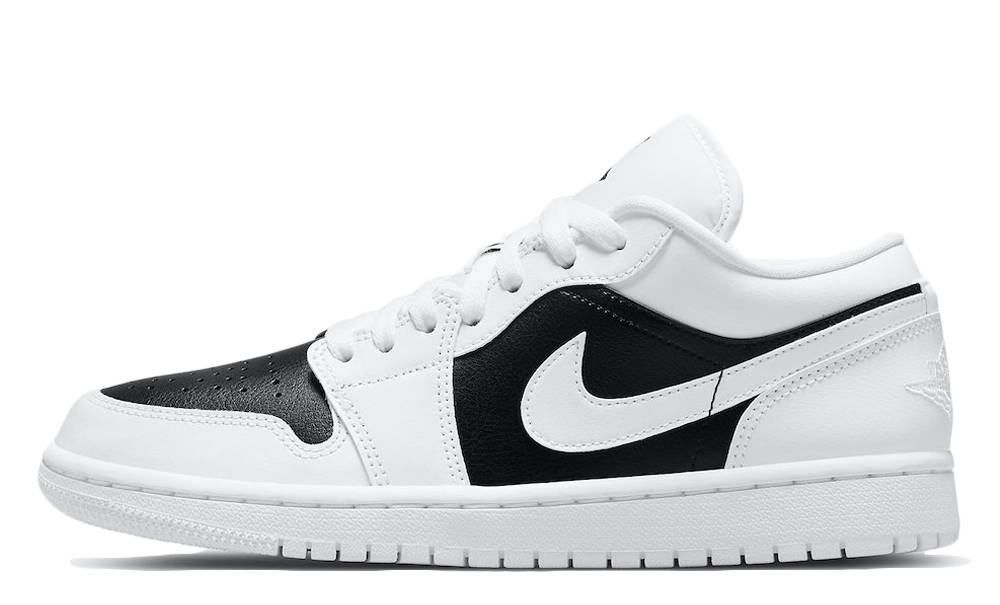
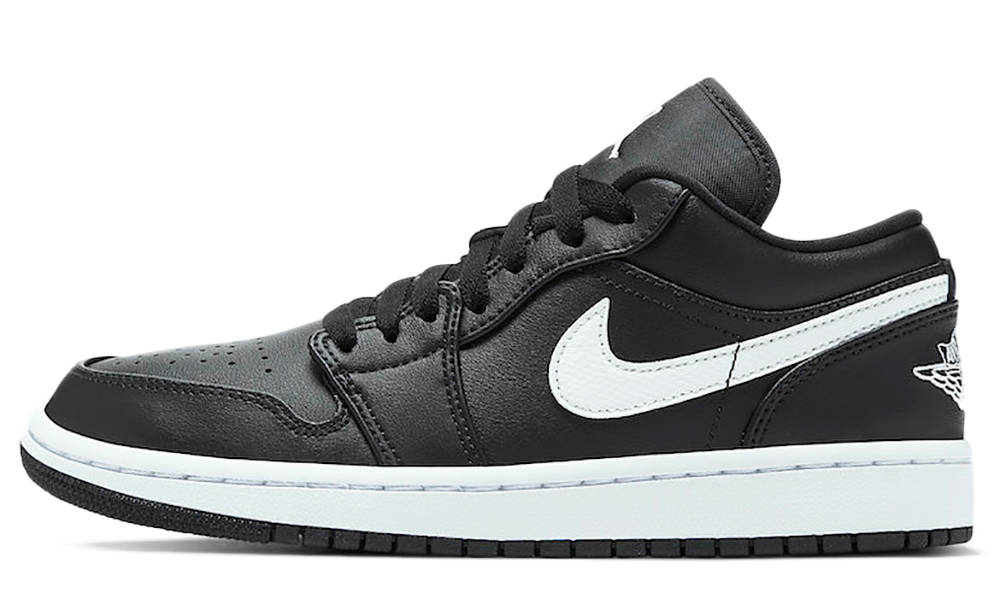
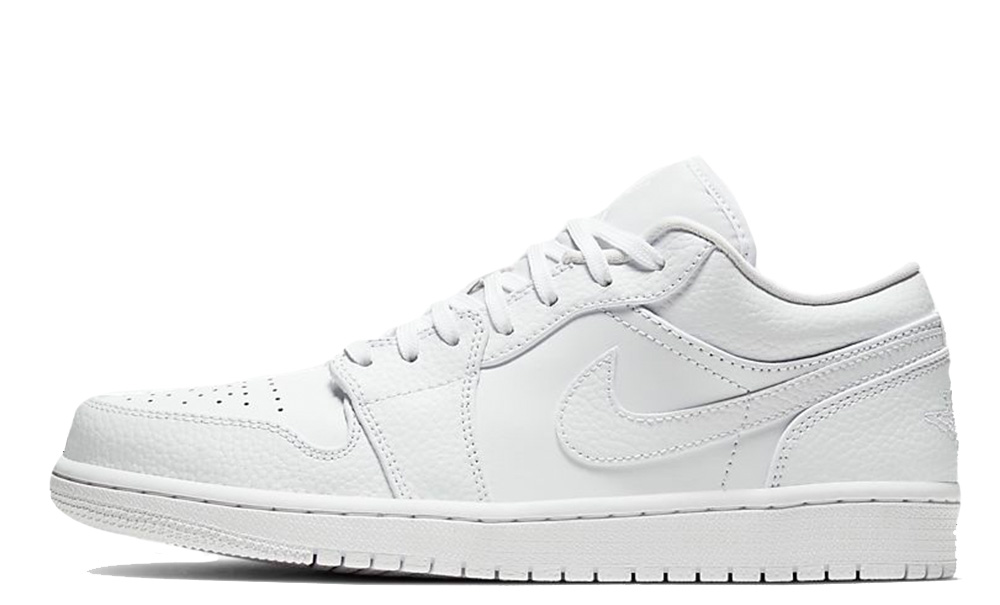
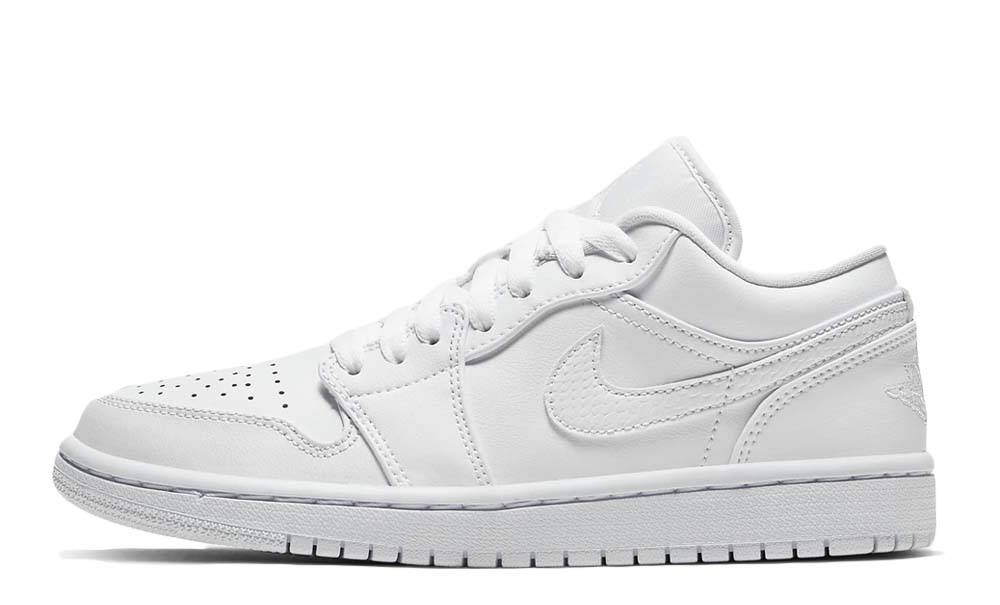
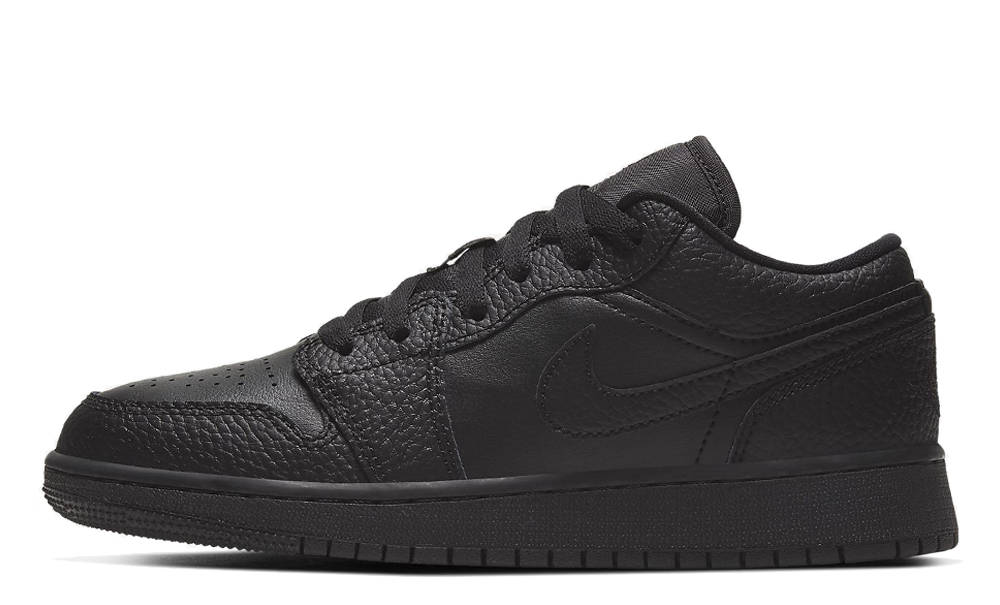
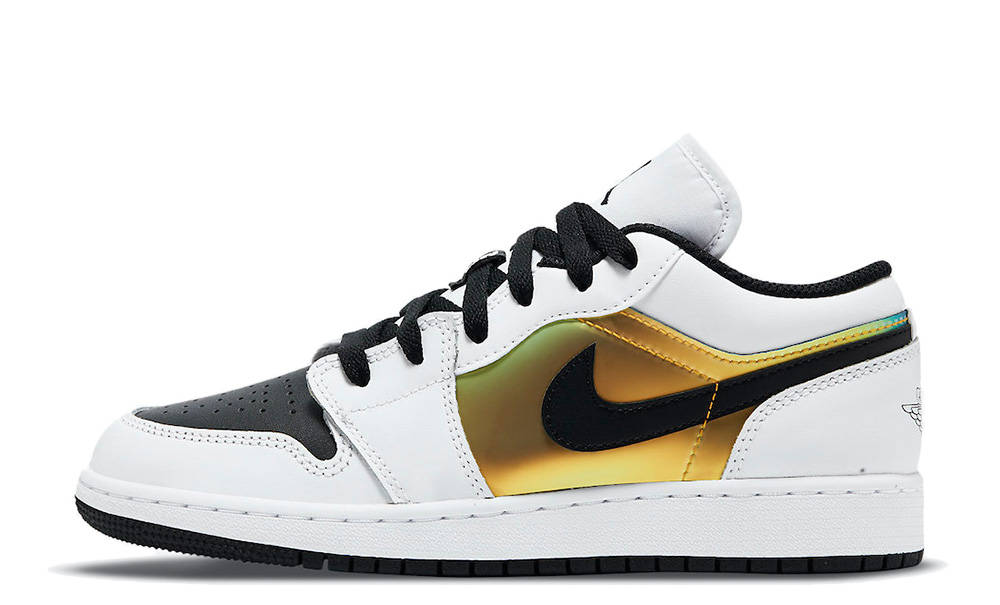
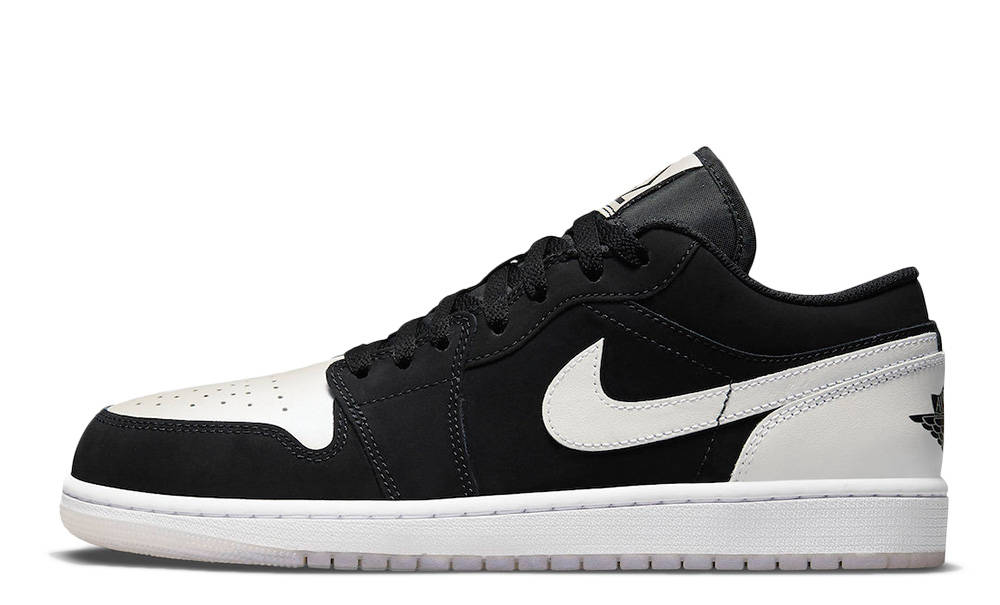
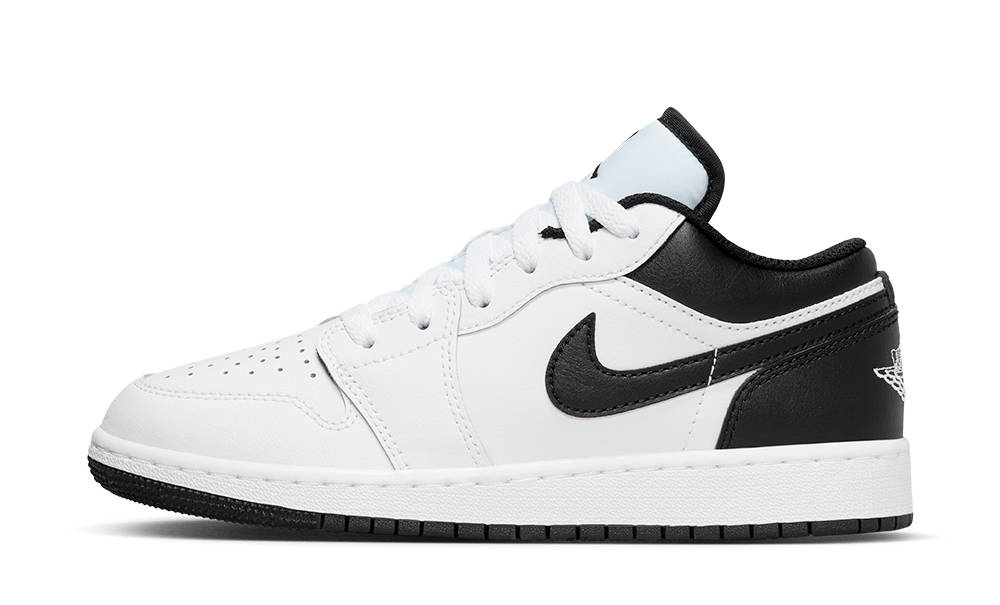
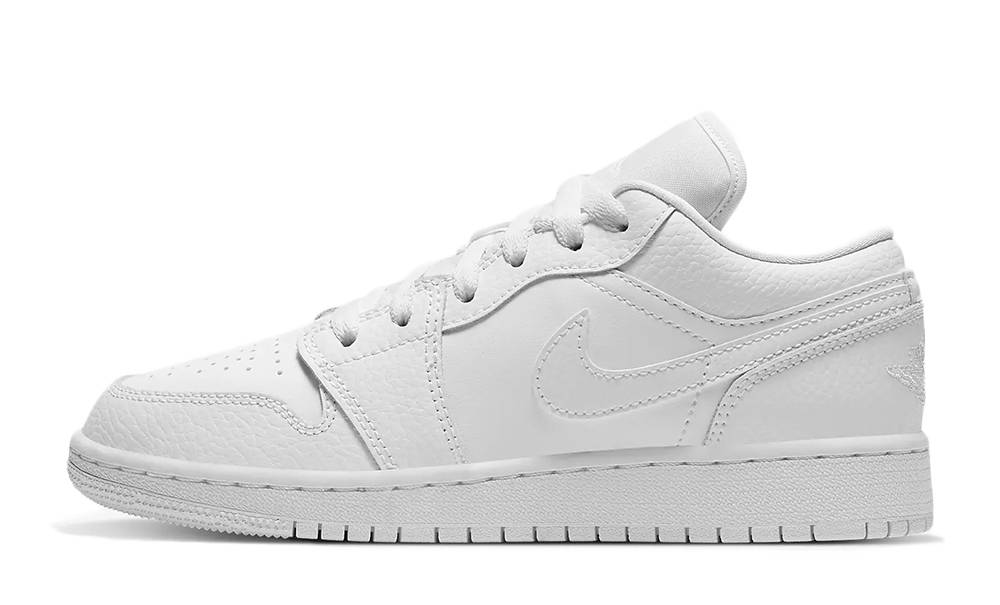
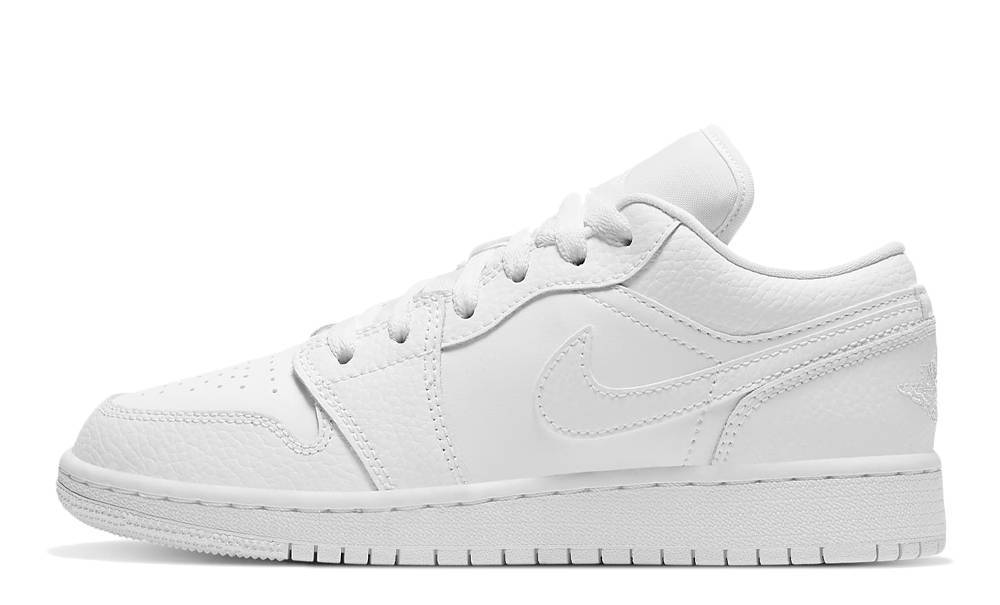
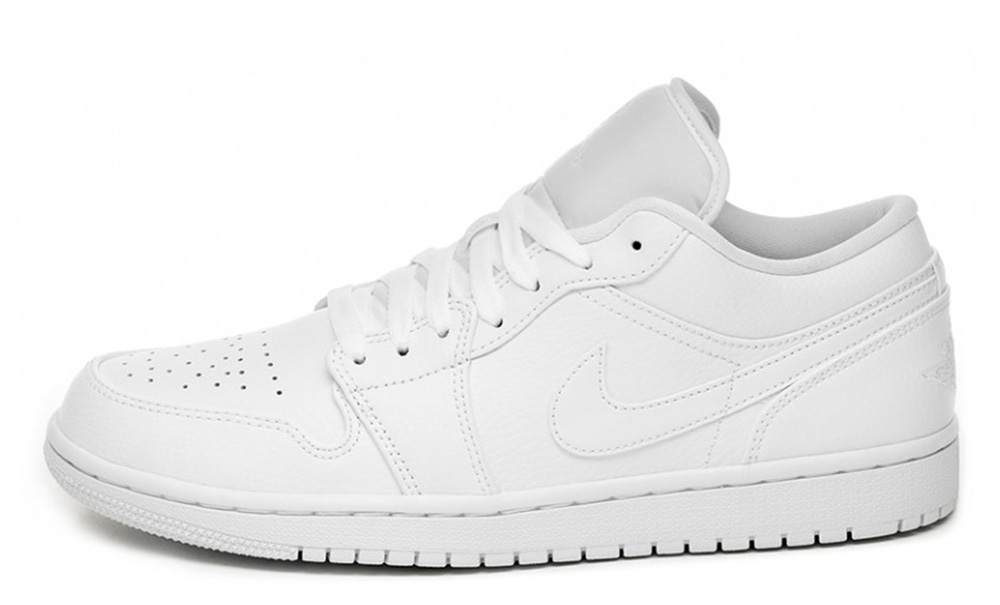
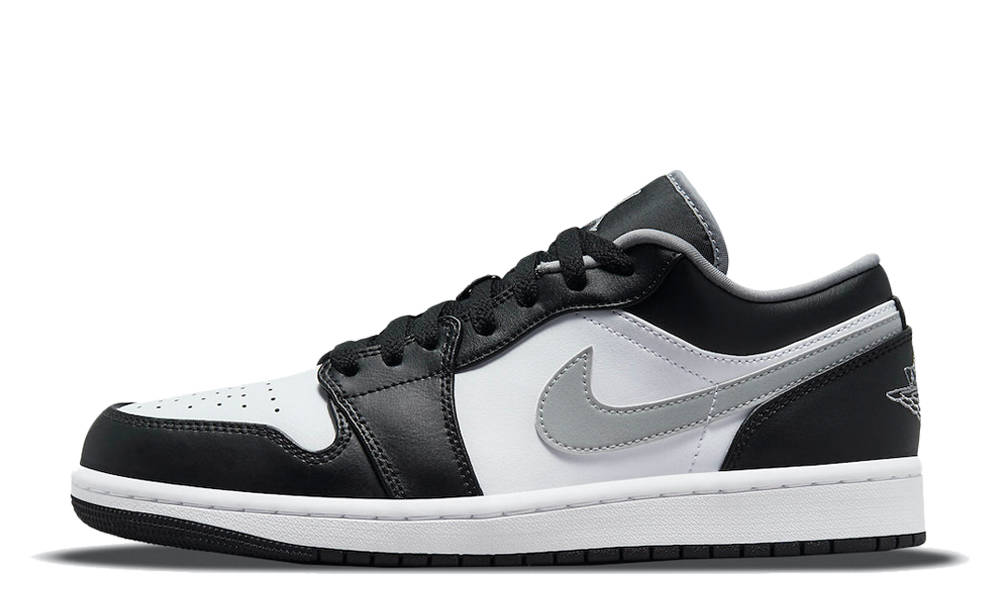
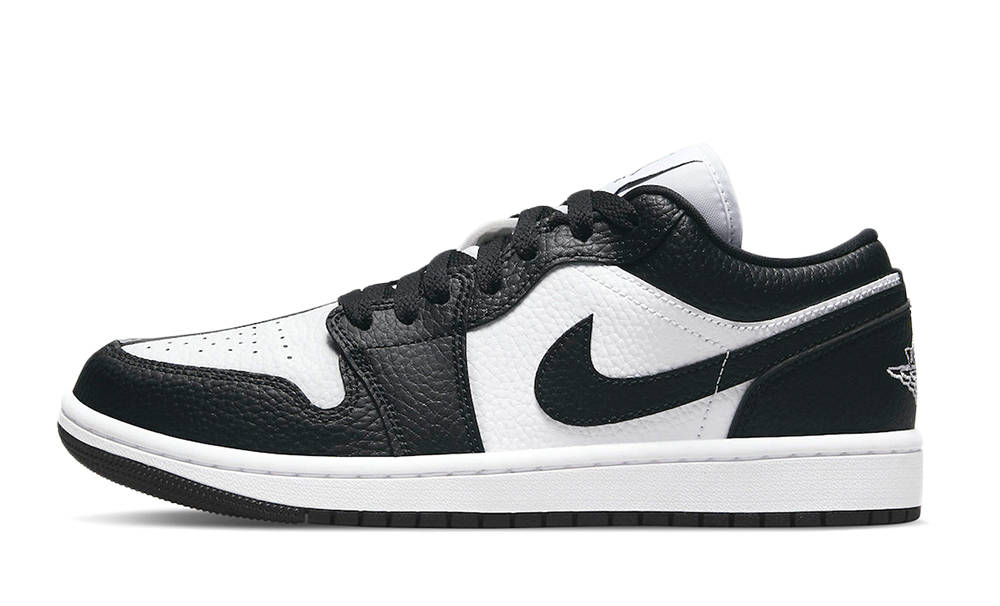
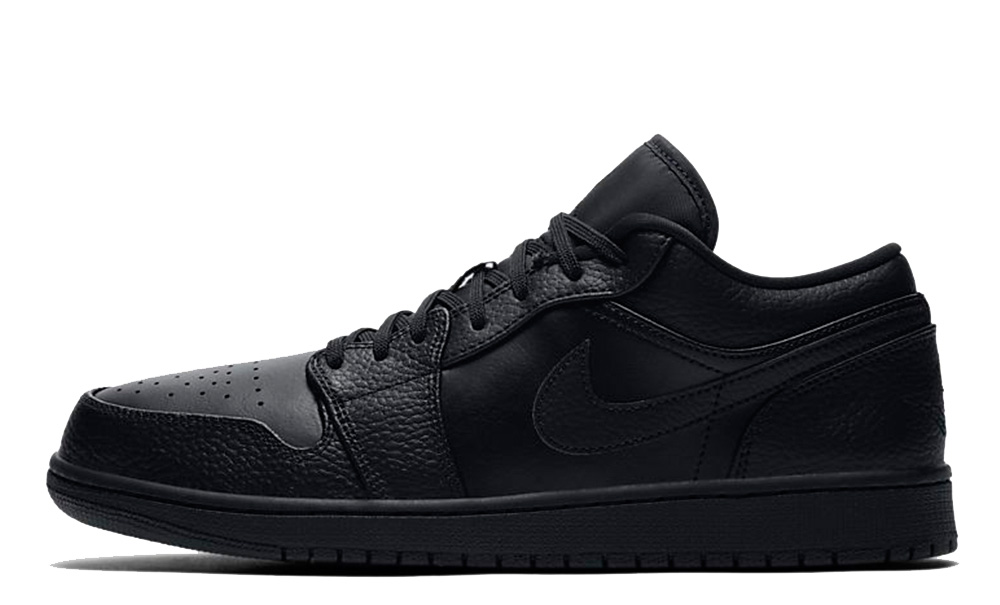
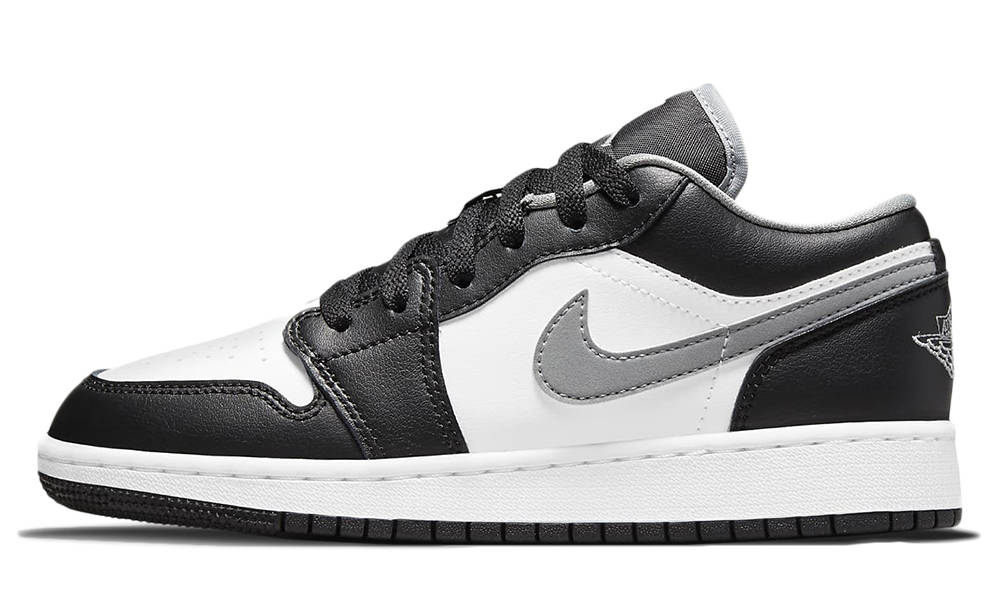
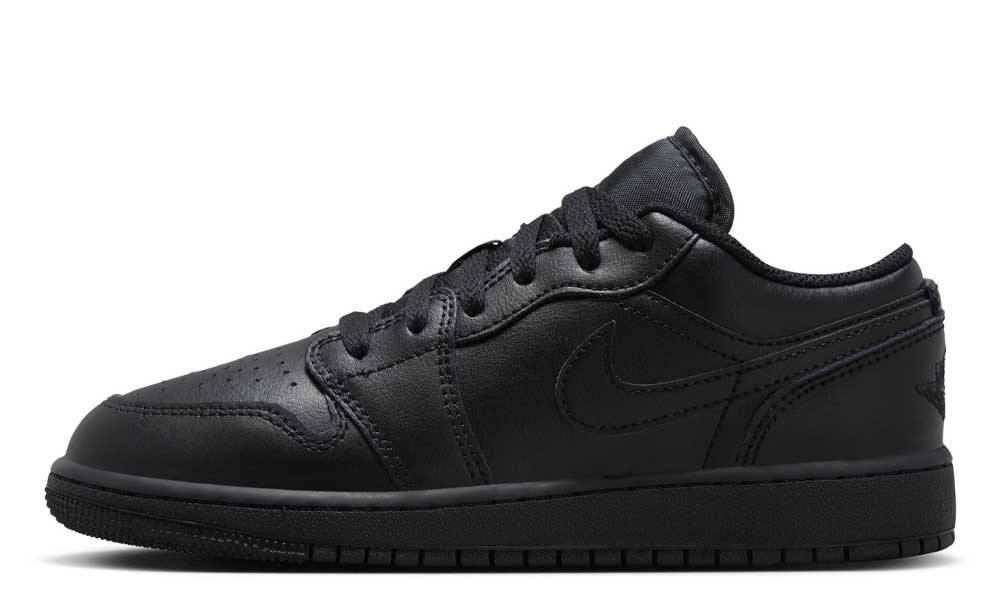
Low-Cushion Shoes


Select your size for the best results.

You May Also Like

iPhone

Tired of missing drops?

Get the app.

4.8

Download on the App StoreDownload now

About Low-Cushion Shoes


Low-cushion shoes are designed for those who prefer a more minimalistic approach to footwear, offering a closer connection to the ground for enhanced stability and responsiveness. Ideal for runners and fitness enthusiasts, these shoes provide just the right amount of cushioning to support your stride without sacrificing ground feel. Their lightweight construction allows for quick movements and agility, making them perfect for various athletic activities.

With a focus on performance, low-cushion shoes often feature breathable materials and streamlined designs that promote comfort during intense workouts. Whether you're hitting the track, the gym, or the trails, these shoes deliver the support you need while allowing for a natural foot motion. Embrace the freedom of movement and experience a more dynamic running or training experience with low-cushion footwear.


What are low-cushion shoes used for?

  • Low-cushion shoes are primarily used for running, training, and other athletic activities where ground feel and responsiveness are essential. They are designed to provide minimal cushioning while still offering support, making them ideal for those who prefer a more natural foot movement.

Who should wear low-cushion shoes?

  • Low-cushion shoes are suitable for experienced runners and athletes who have a strong foot strike and prefer a minimalist design. They are also great for those looking to improve their form and strengthen their feet, as they encourage a more natural running style.

Are low-cushion shoes good for everyday wear?

  • While low-cushion shoes are primarily designed for athletic performance, some people find them comfortable for everyday wear, especially if they prefer a lightweight and flexible shoe. However, they may not provide the same level of comfort for prolonged standing or walking compared to more cushioned options.

How do low-cushion shoes differ from traditional running shoes?

  • Low-cushion shoes differ from traditional running shoes in that they offer less padding and a lower profile, promoting a closer connection to the ground. This design allows for greater responsiveness and agility but may not provide the same level of shock absorption as more cushioned models.

Can low-cushion shoes help improve running form?

  • Yes, low-cushion shoes can help improve running form by encouraging a more natural foot strike and promoting better biomechanics. By reducing the amount of cushioning, they can help runners become more aware of their foot placement and stride, potentially leading to improved efficiency and reduced injury risk.