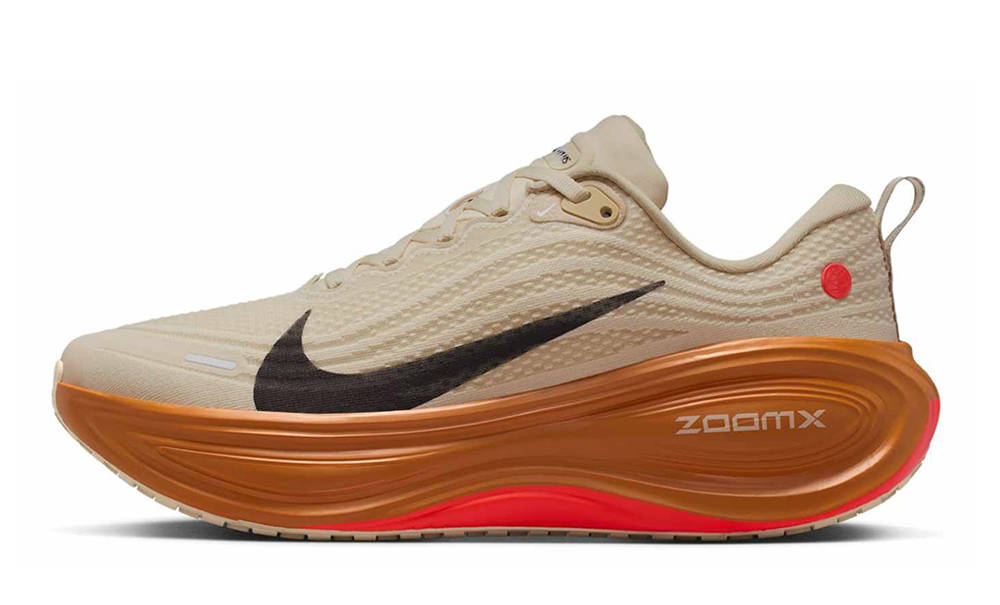
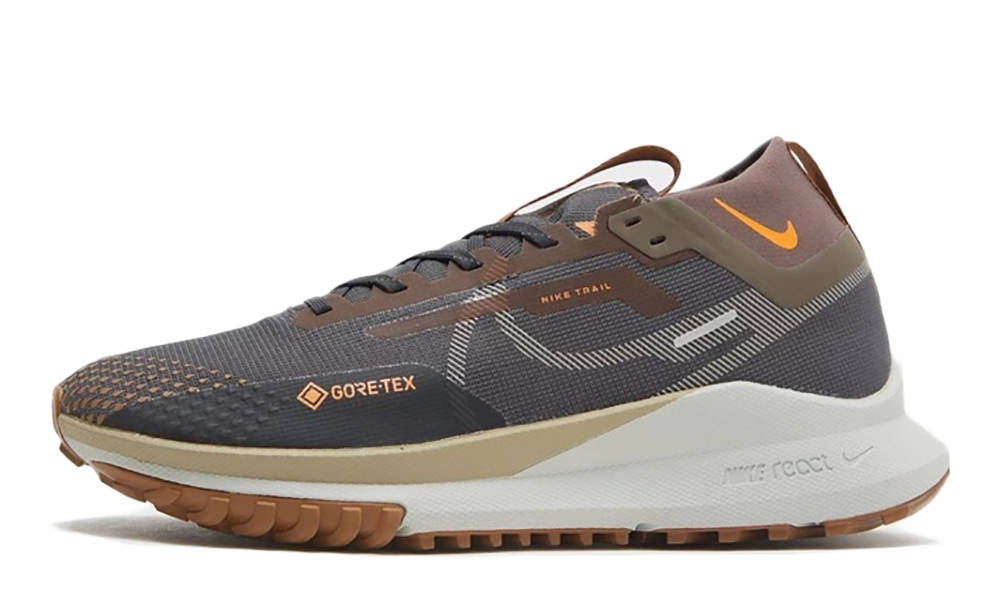
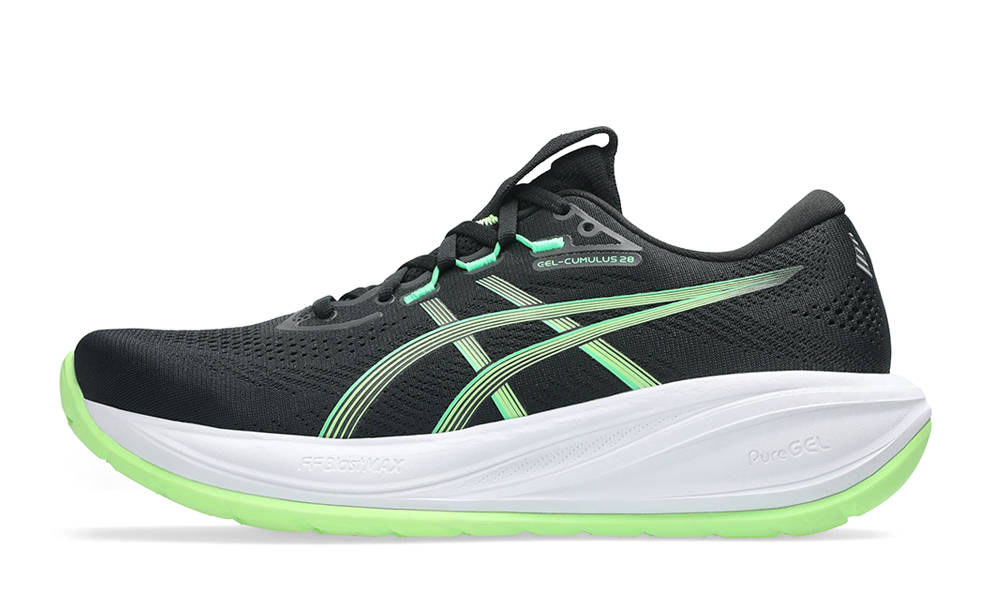
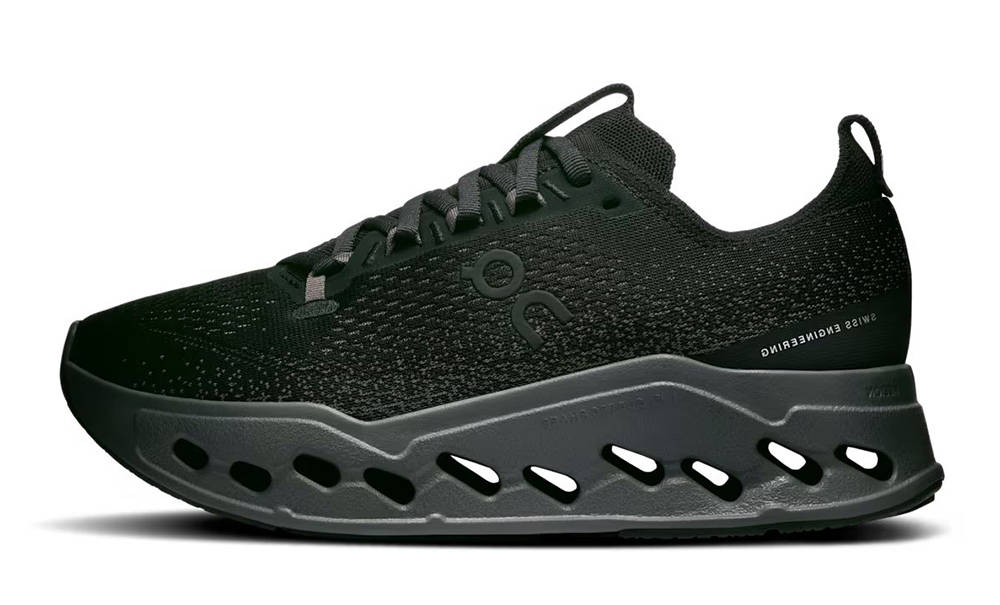
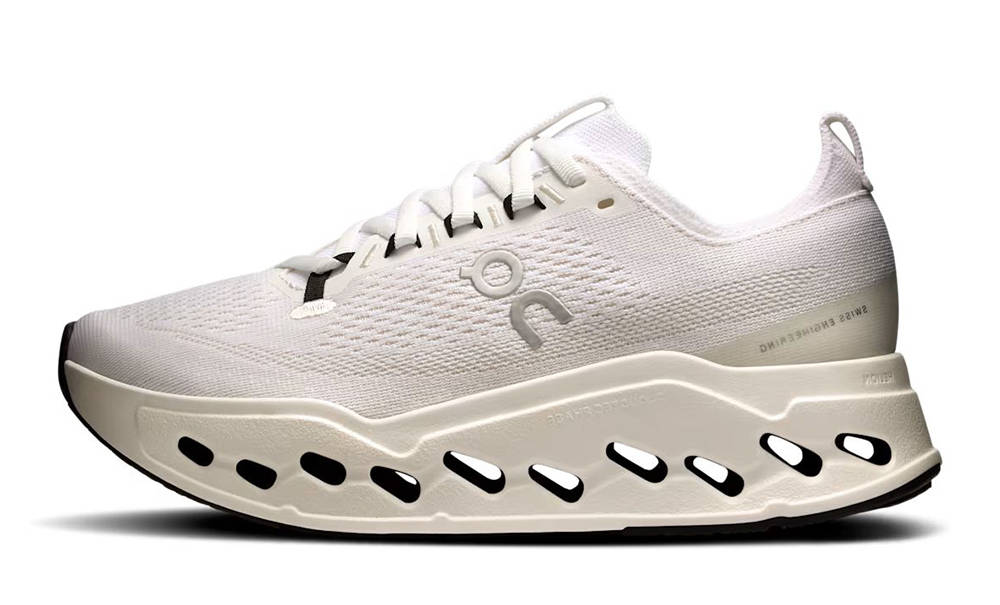
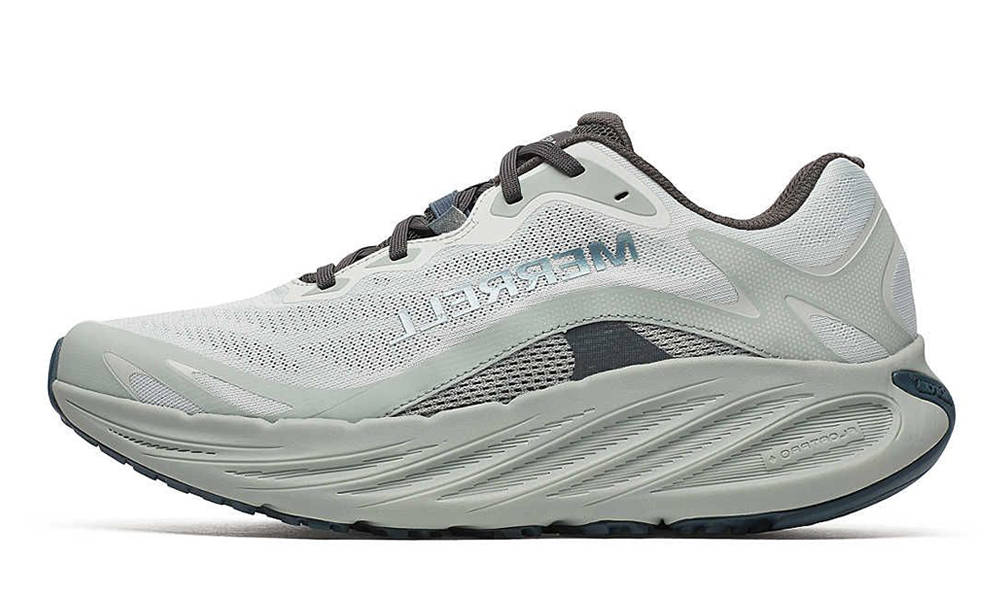
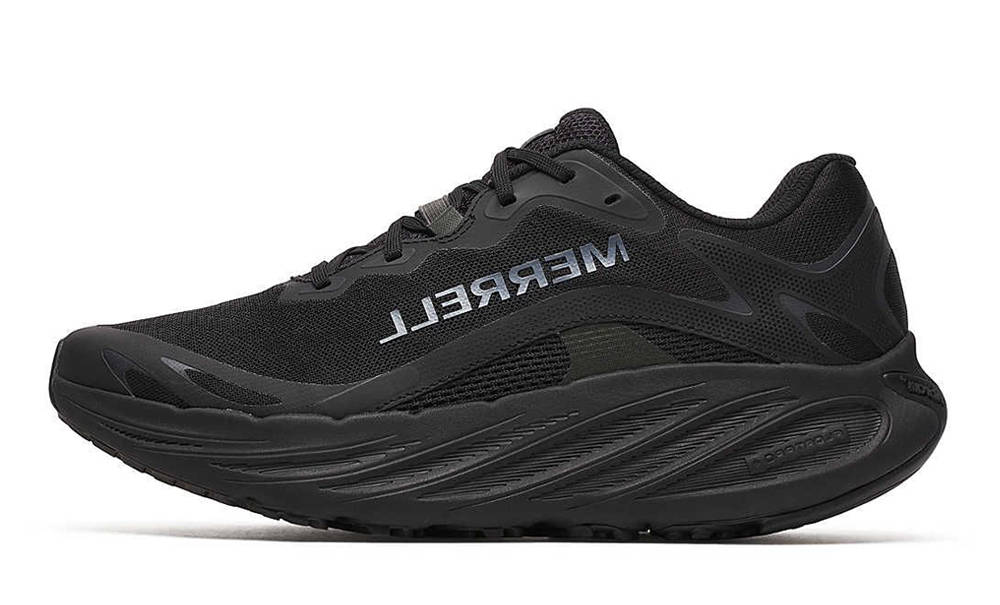
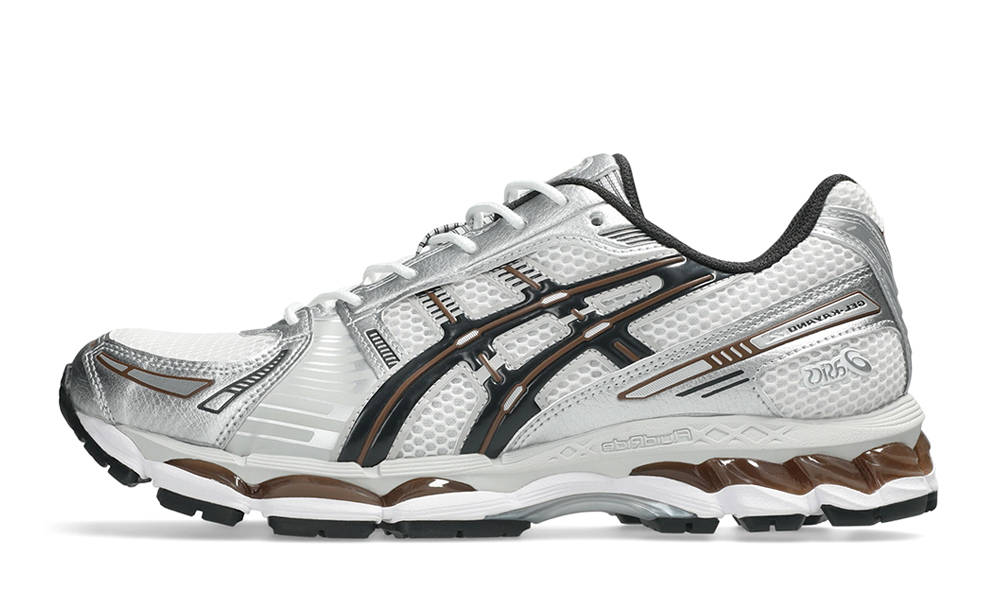
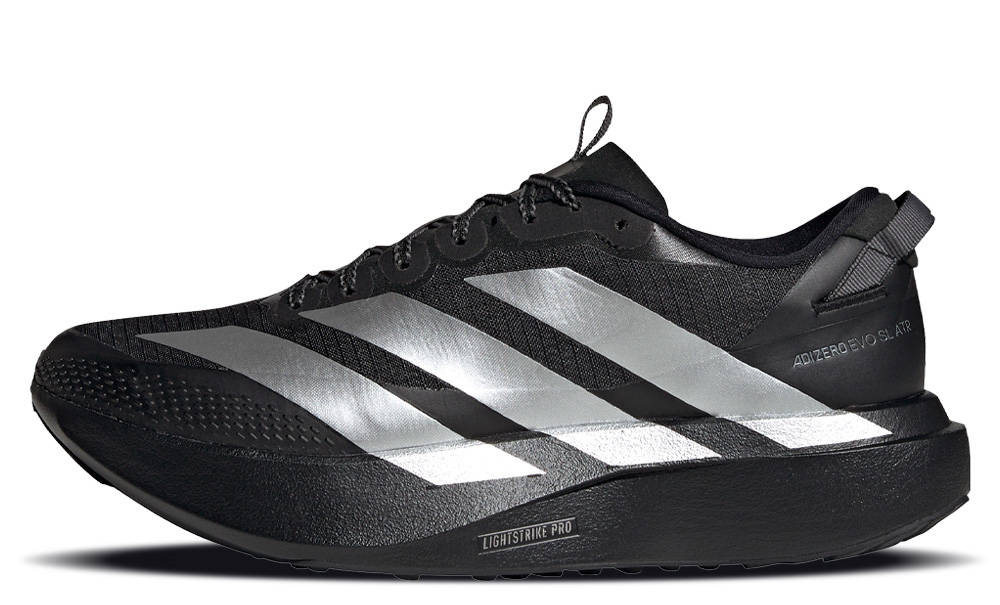
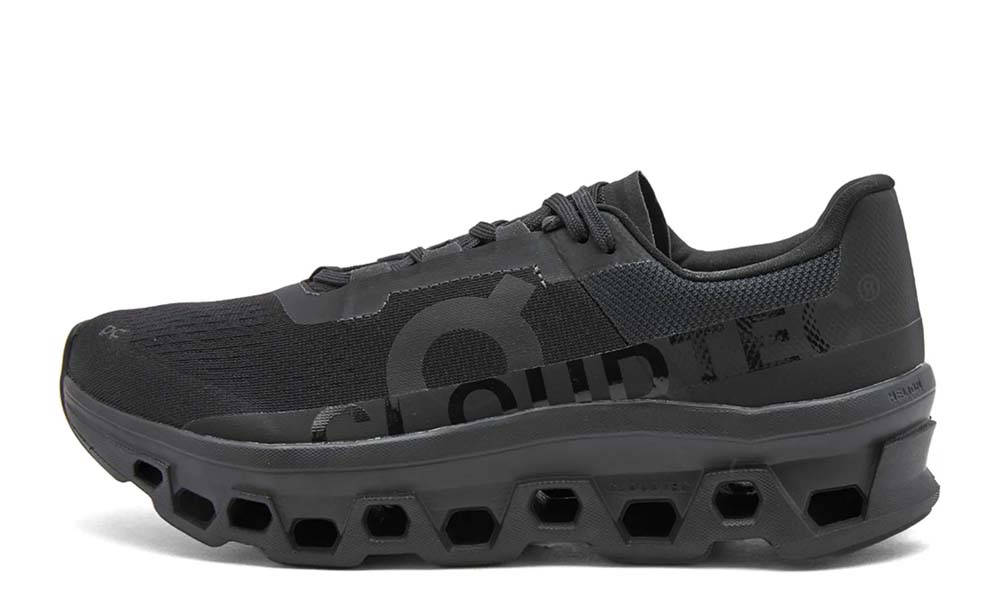
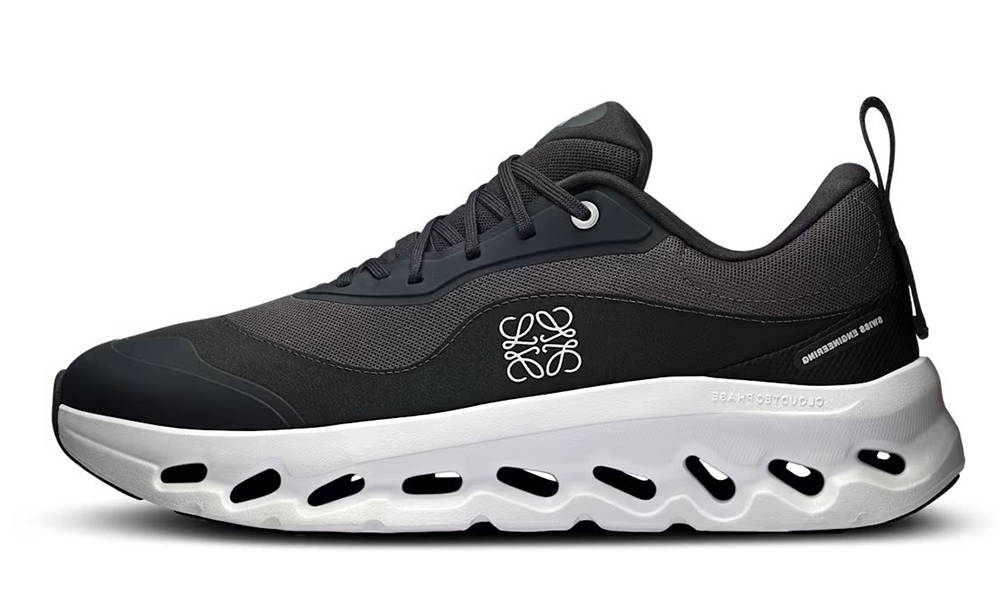
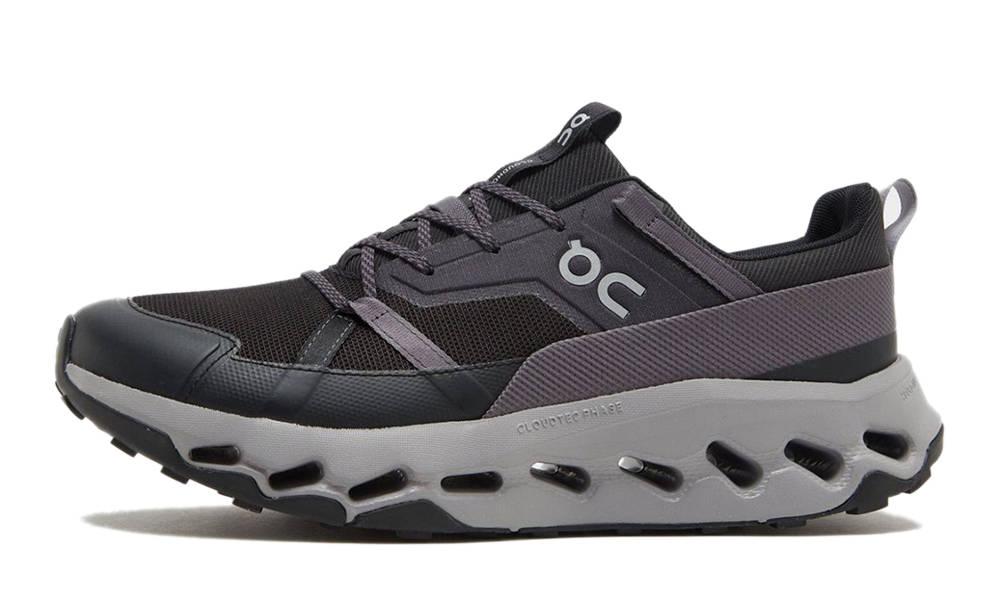
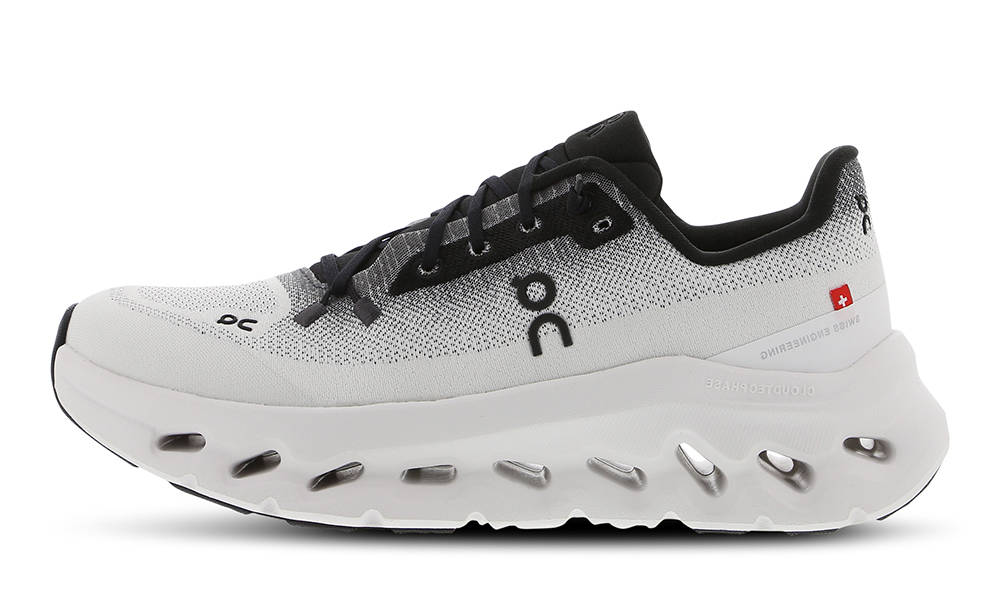
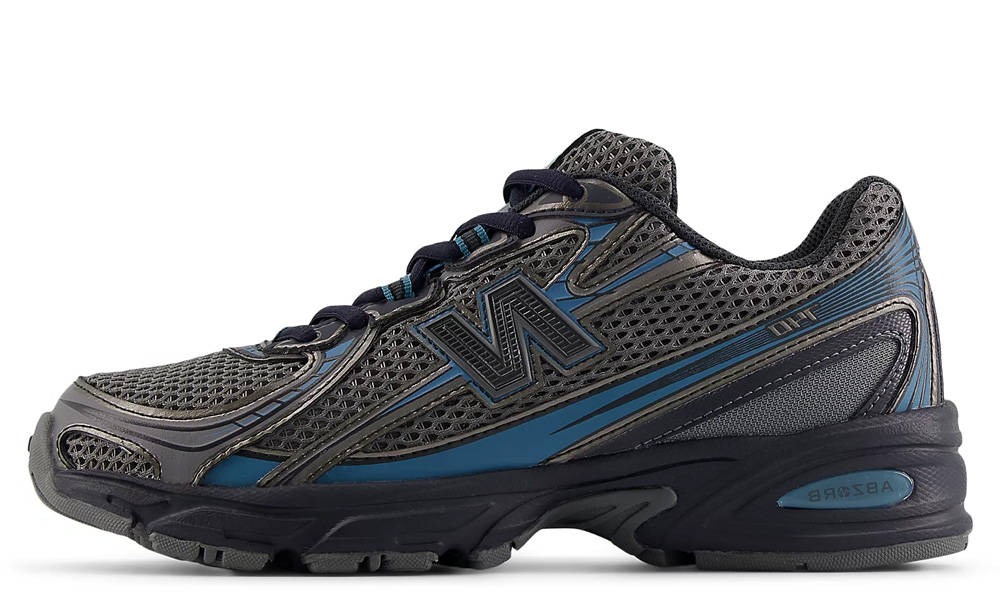
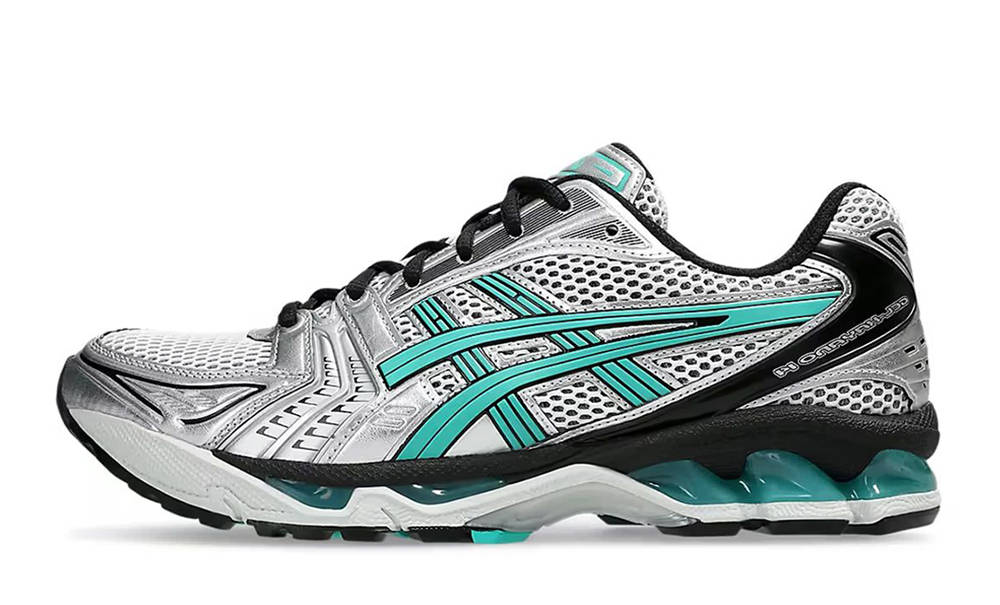
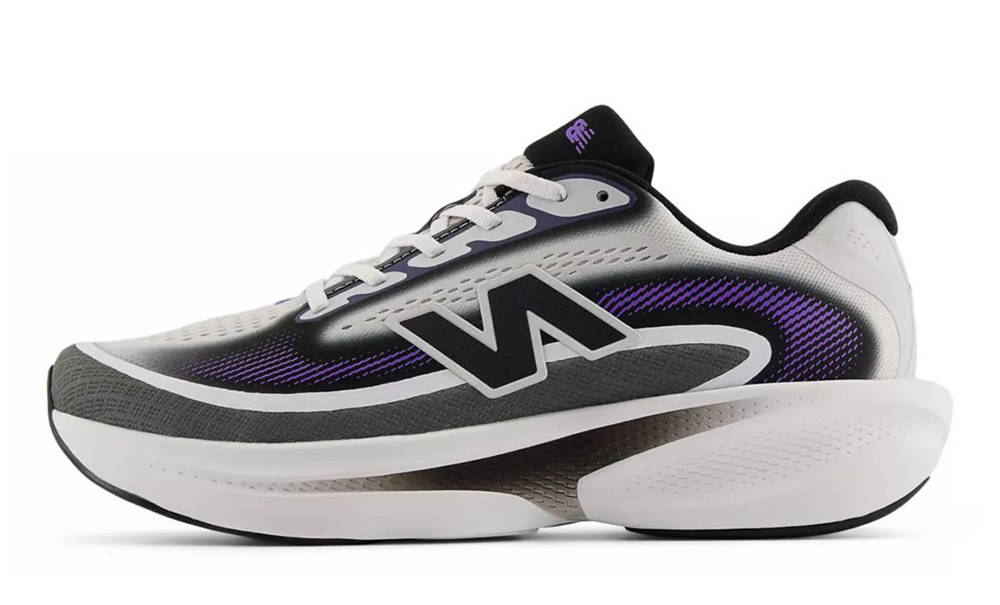
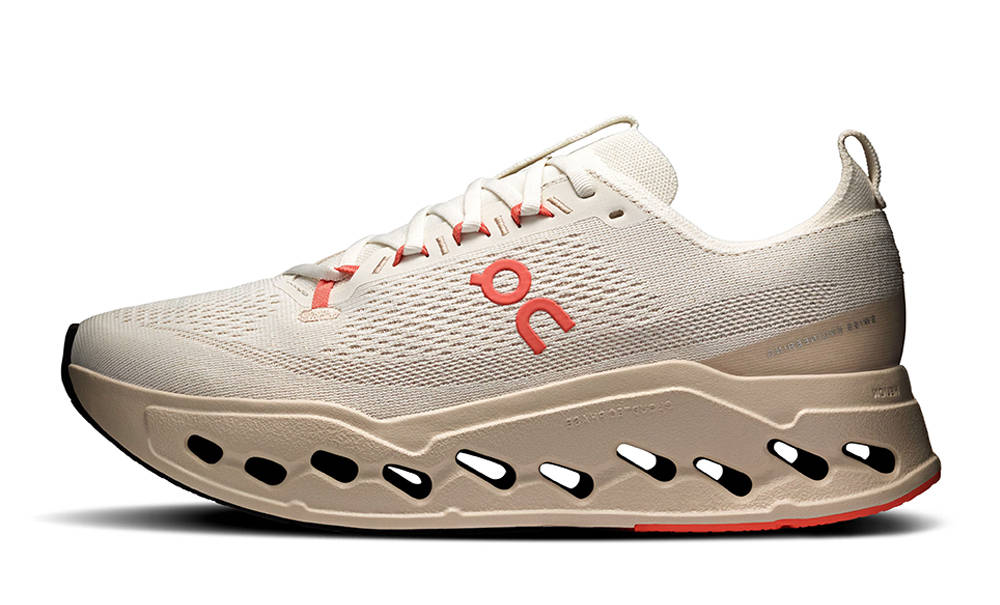
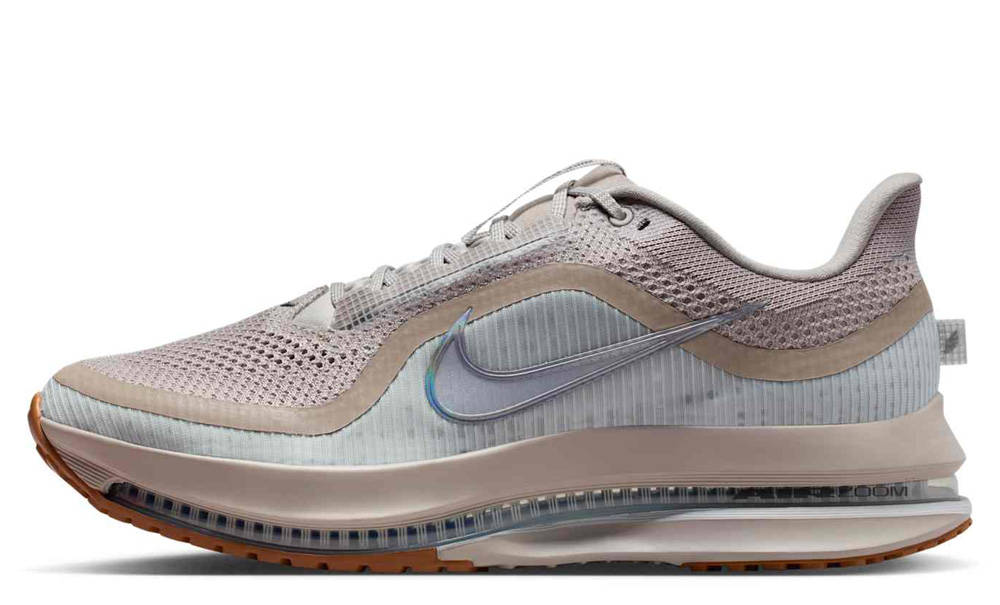
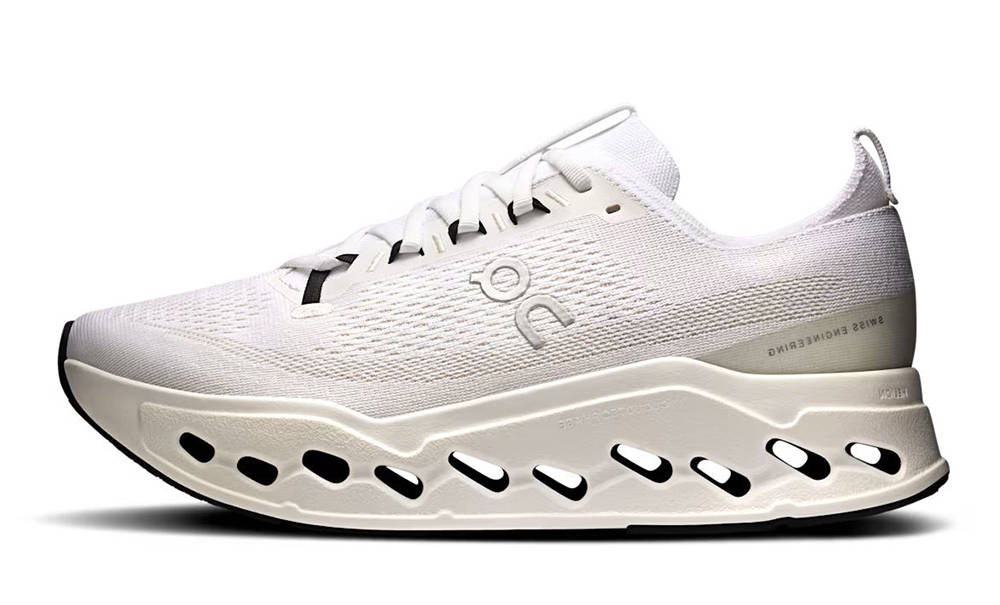
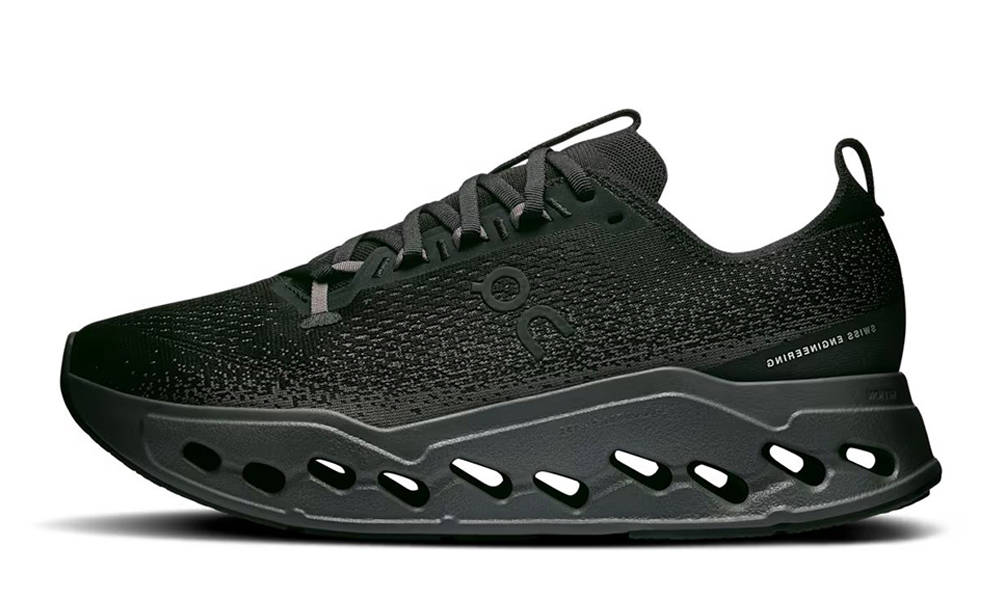
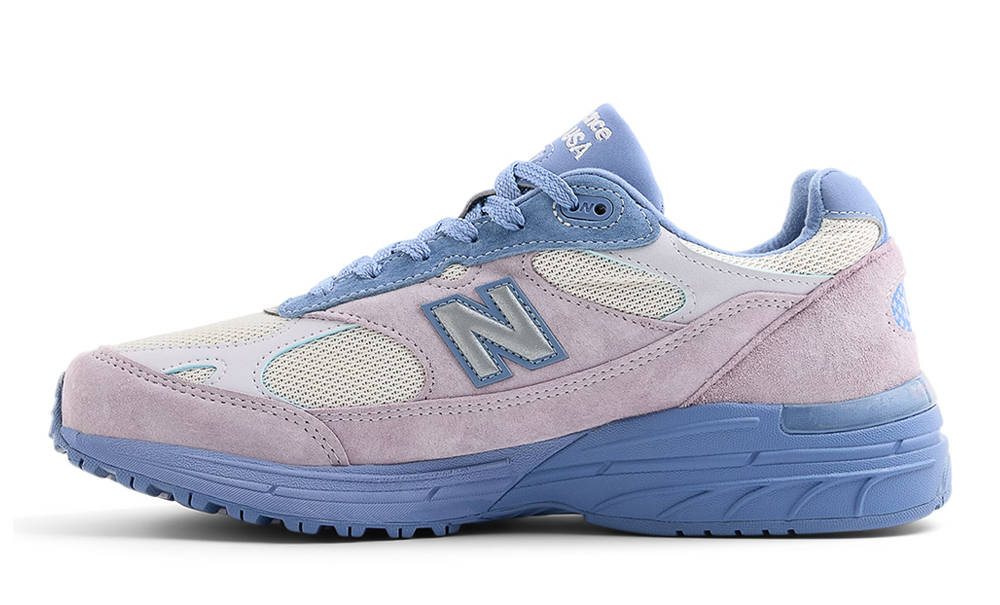
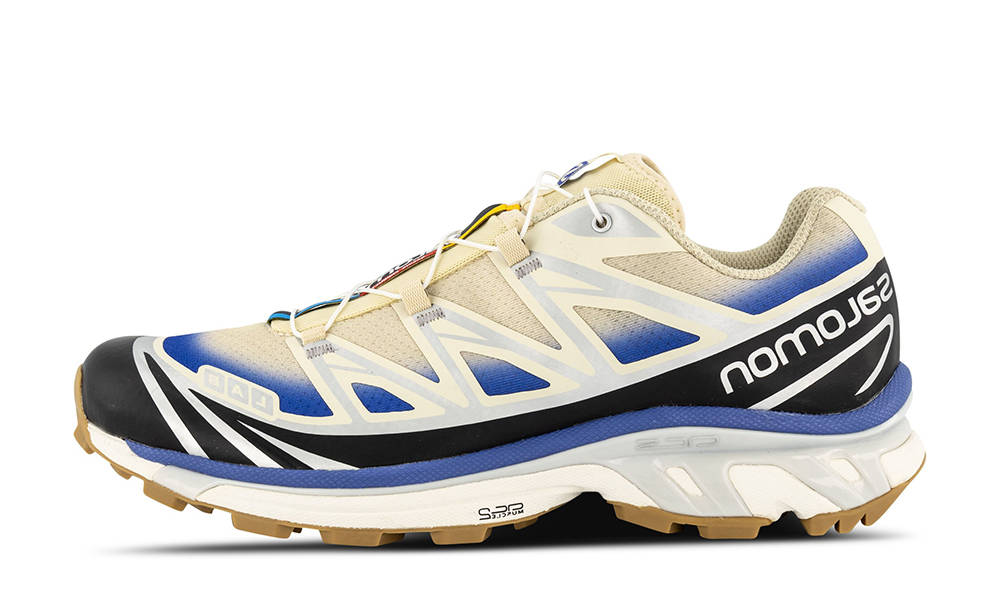
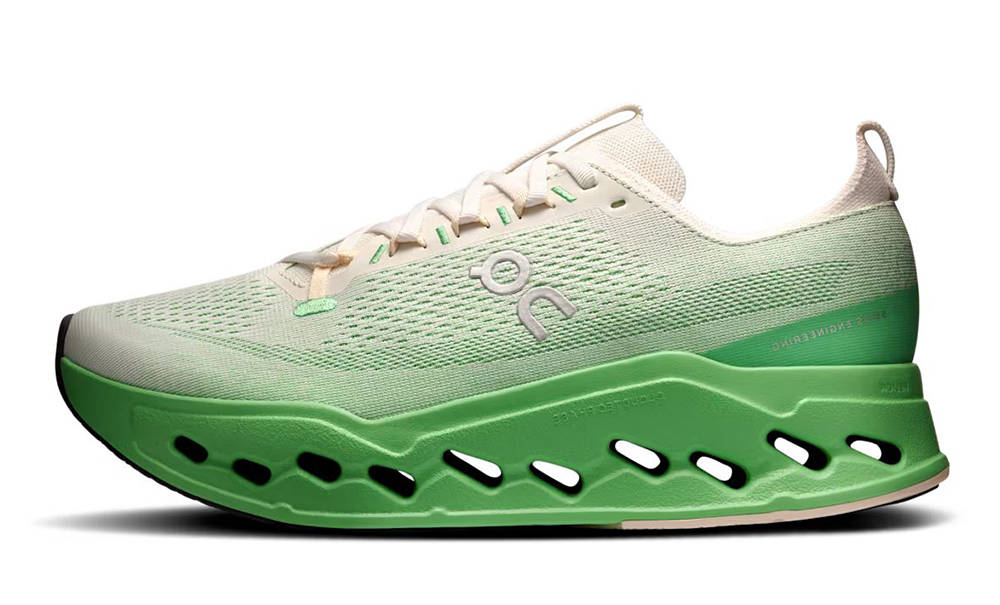
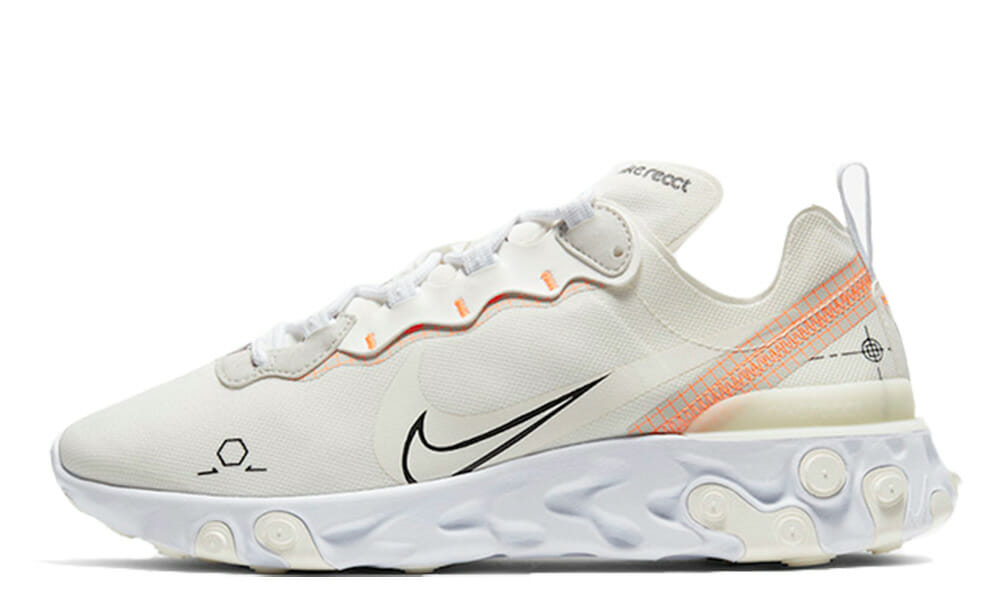
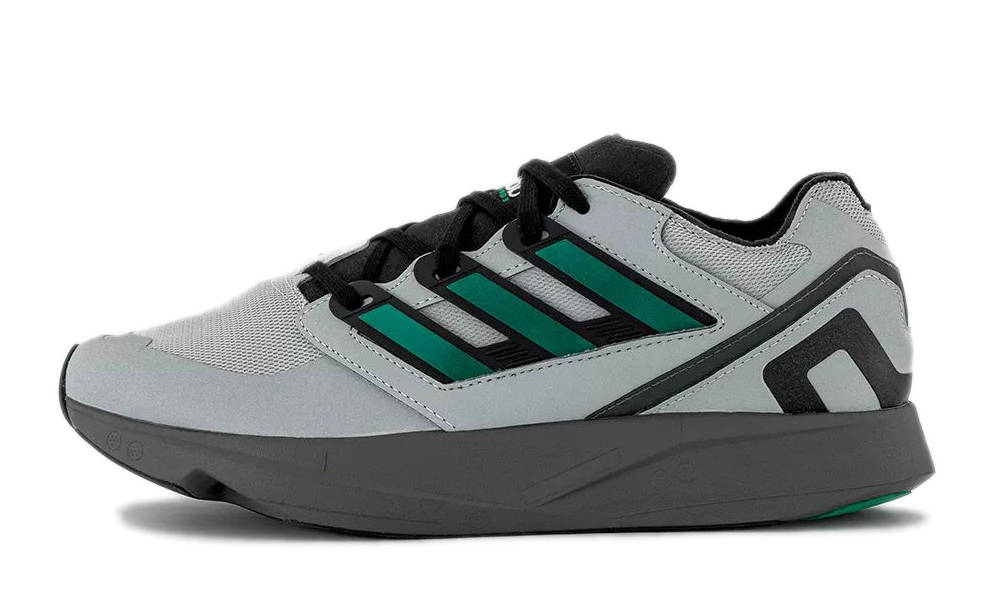
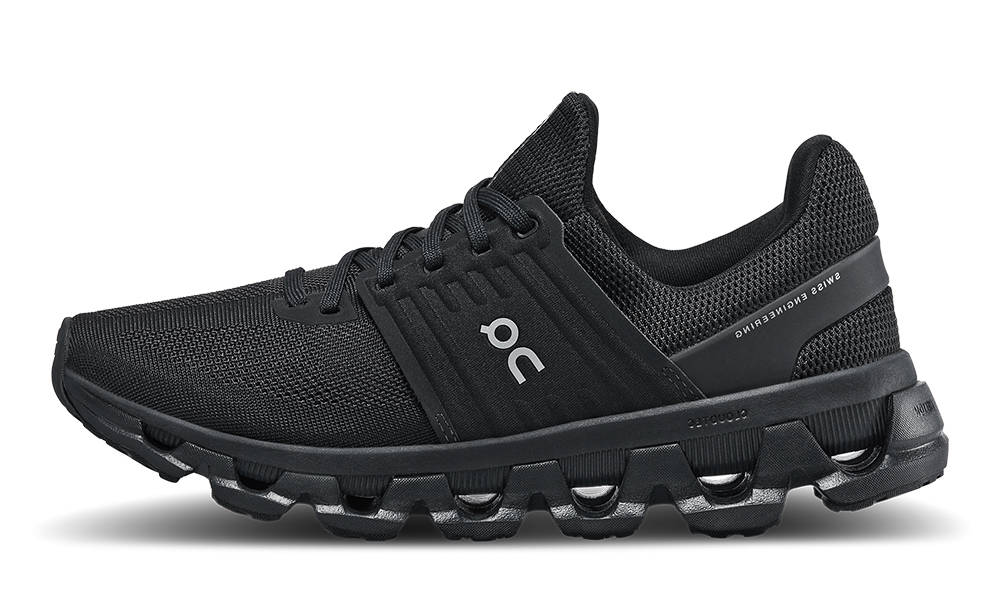
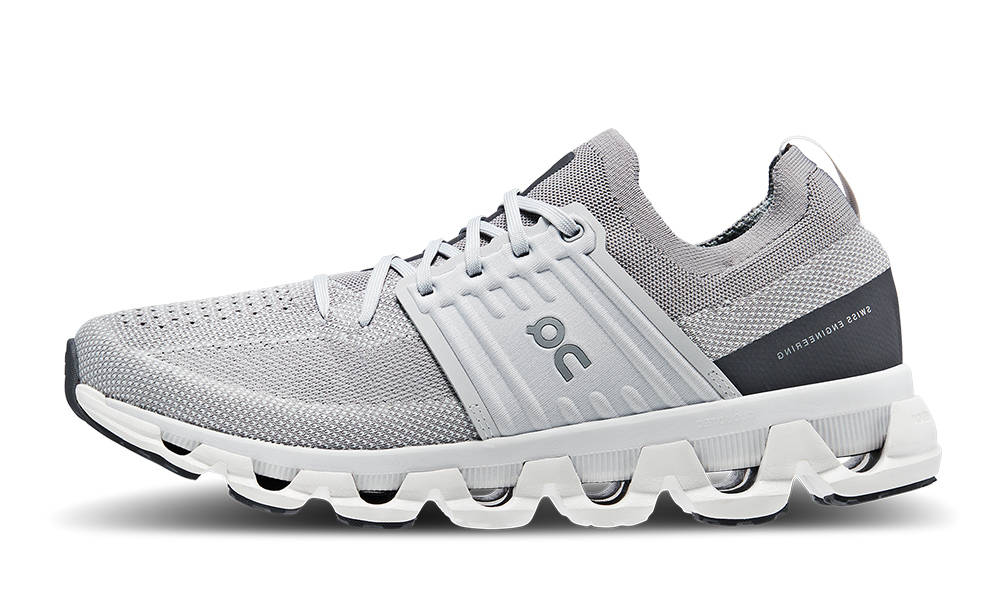
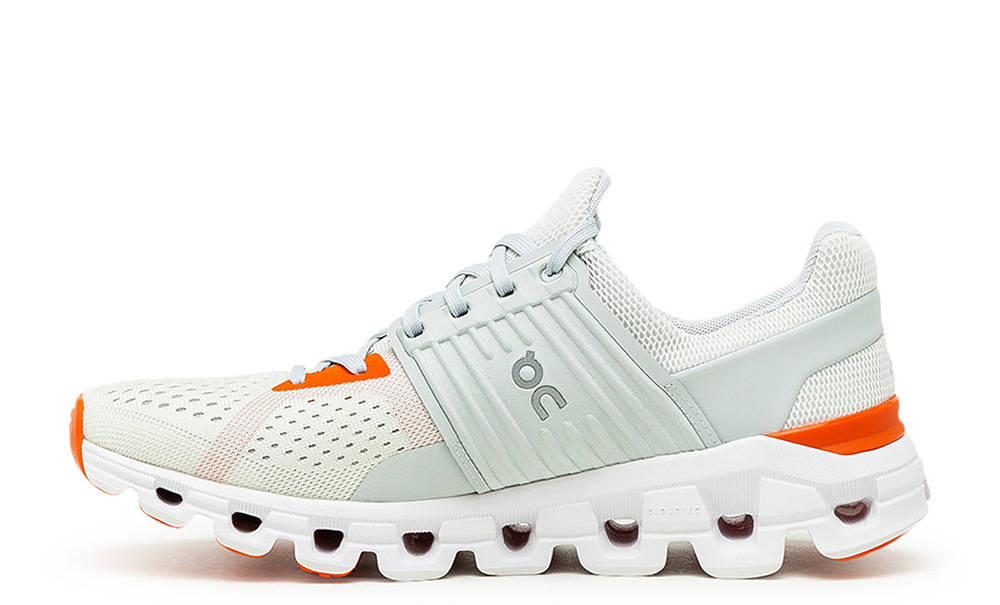
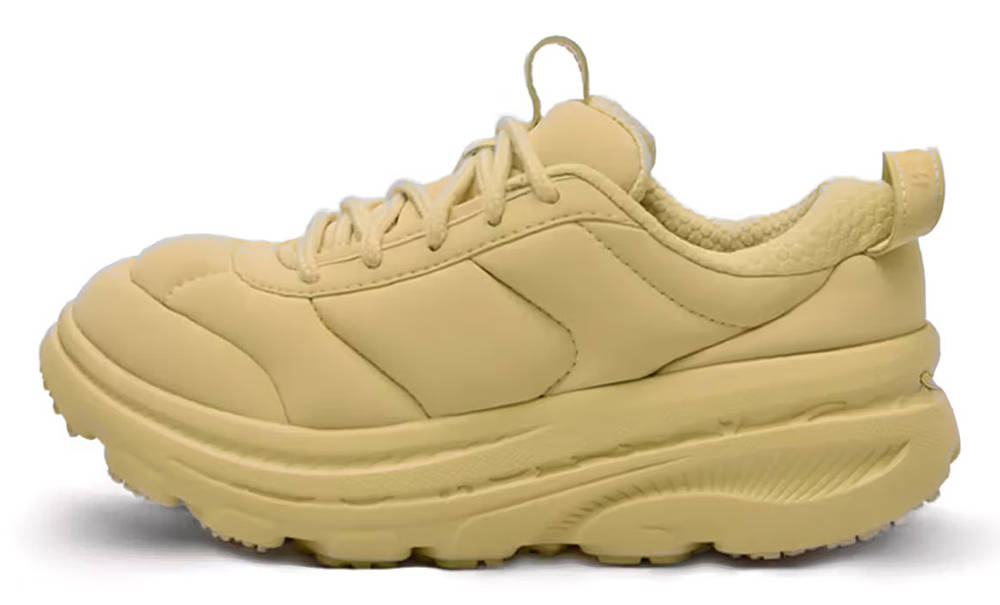
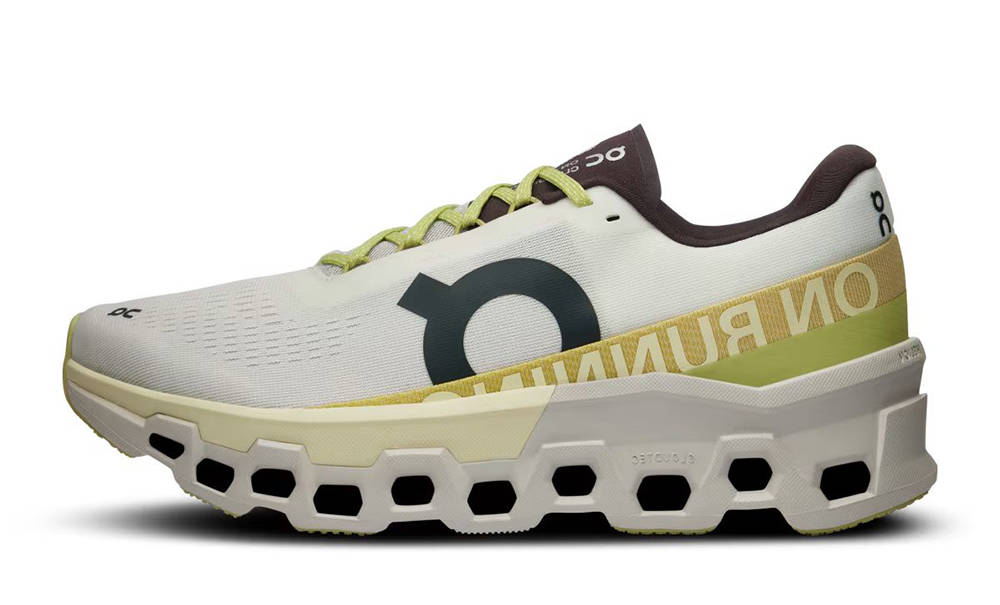
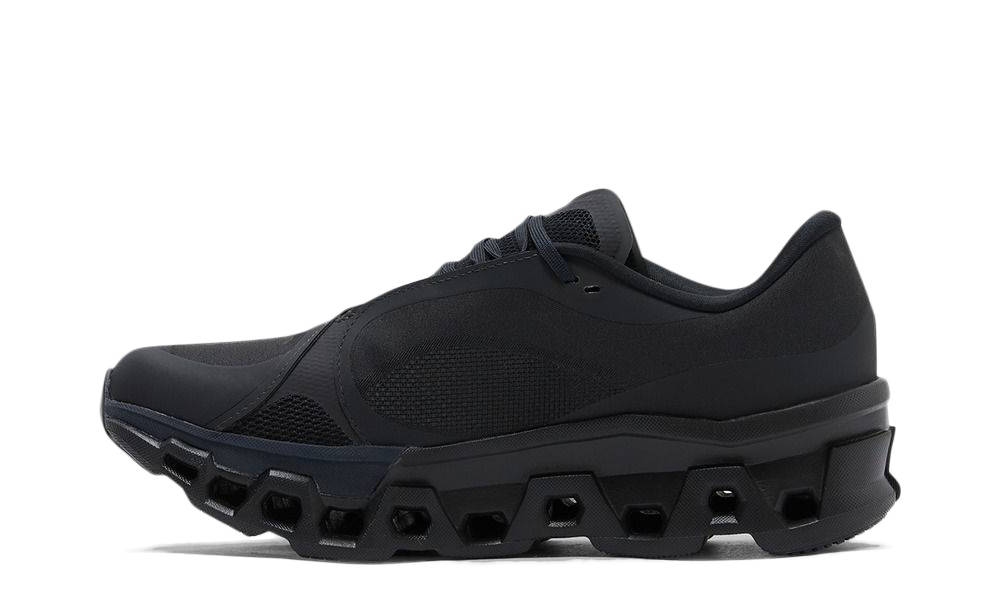
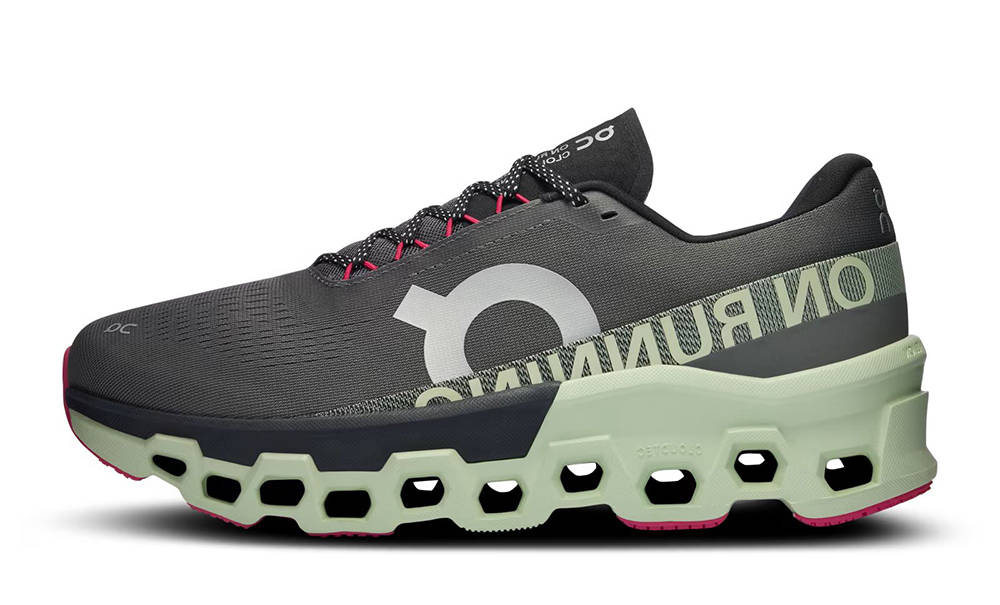
Running Shoes for Hard Surfaces


Select your size for the best results.
iPhone

Tired of missing drops?

Get the app.

4.8

Download on the App StoreDownload now

About Running Shoes for Hard Surfaces


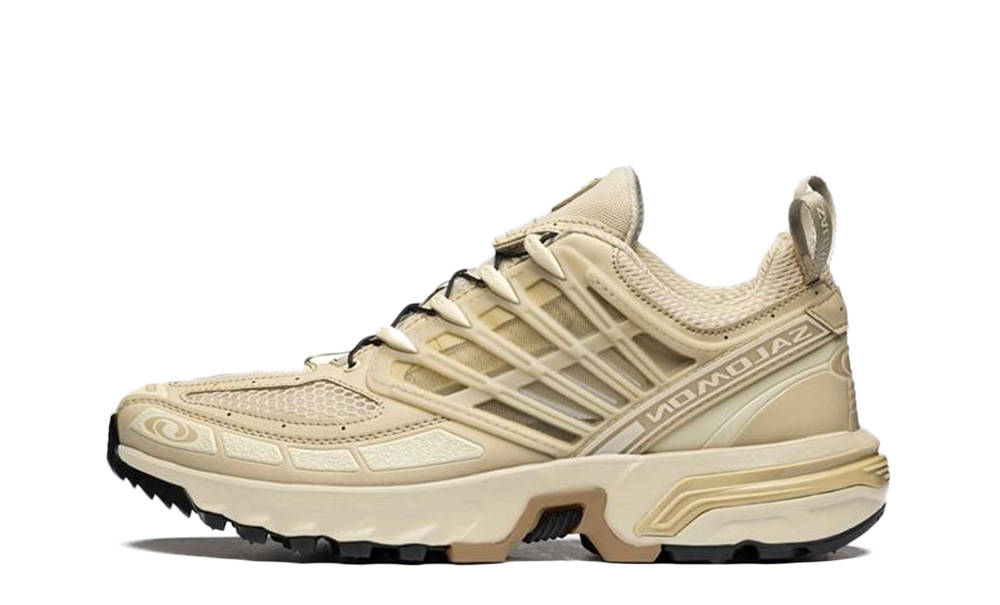
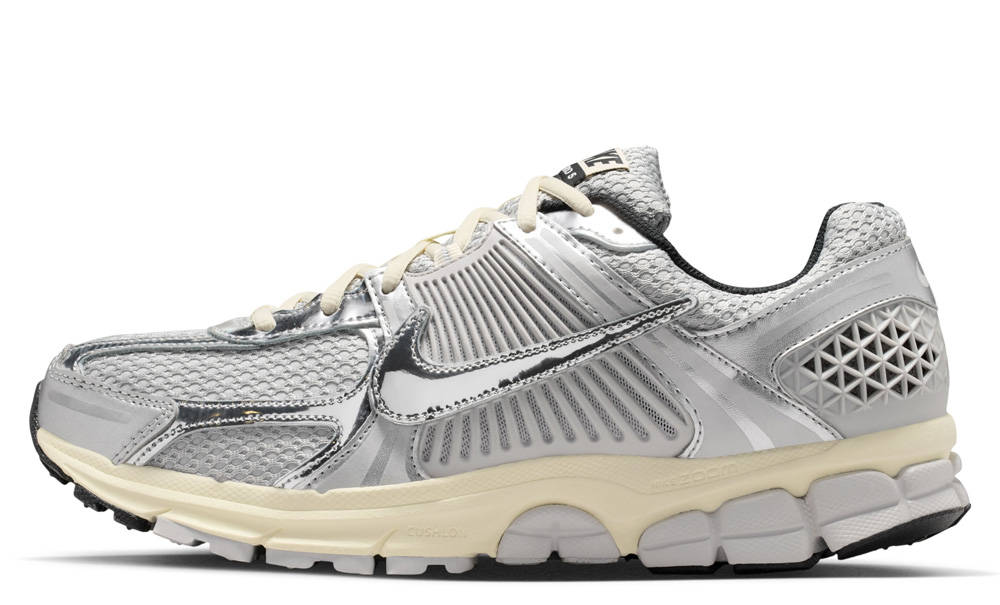
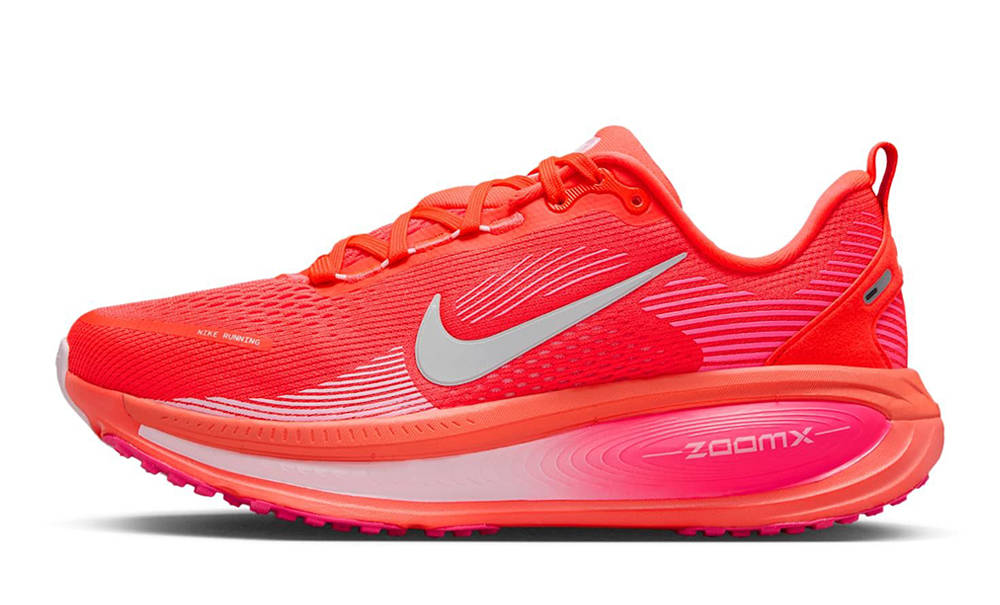
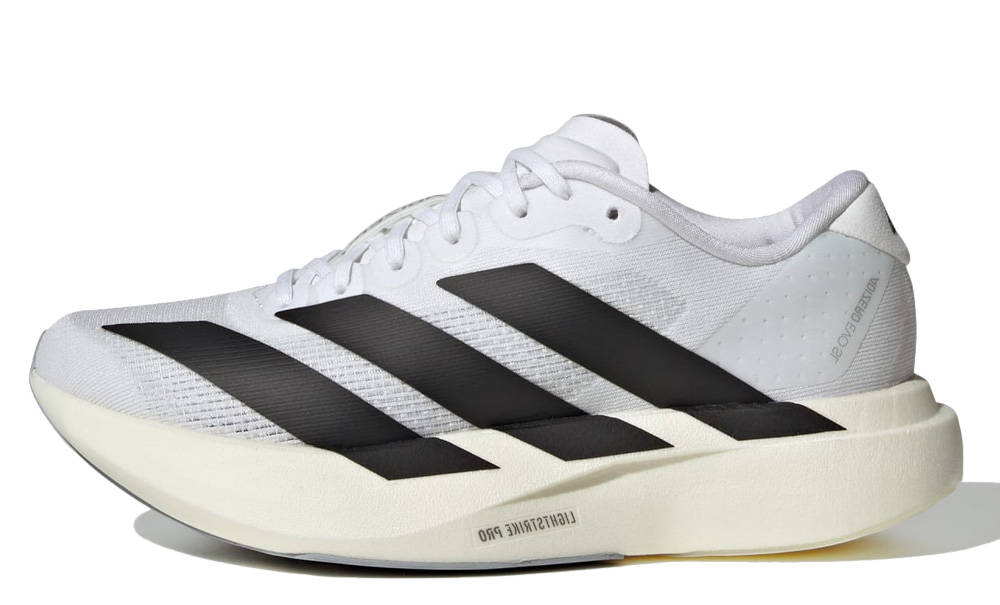
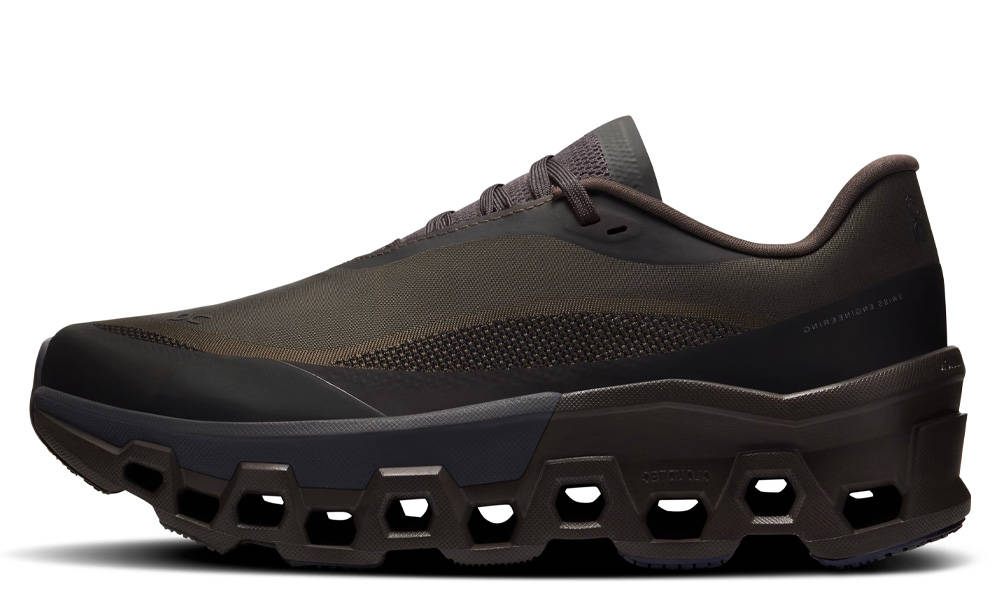
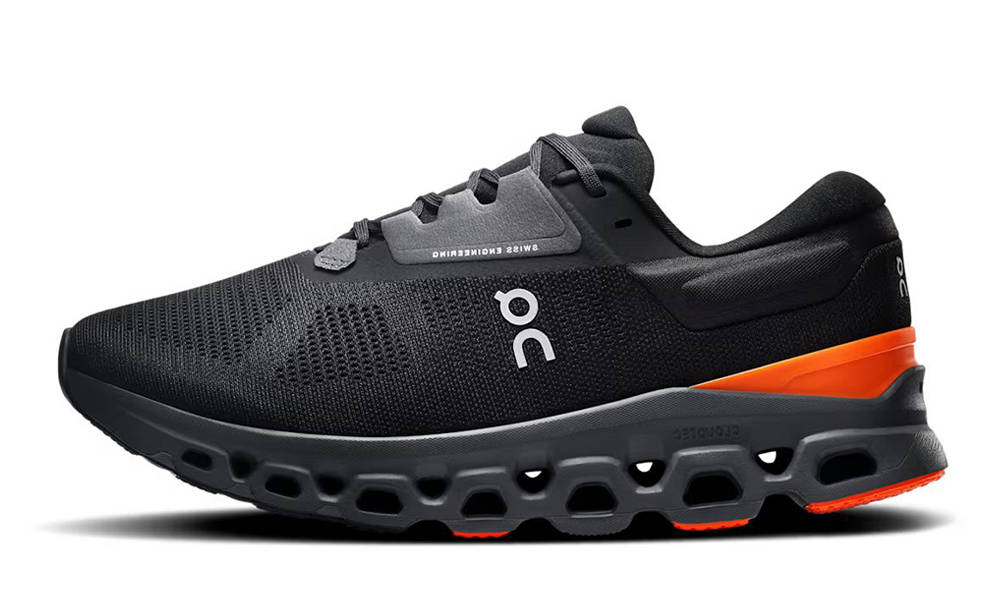
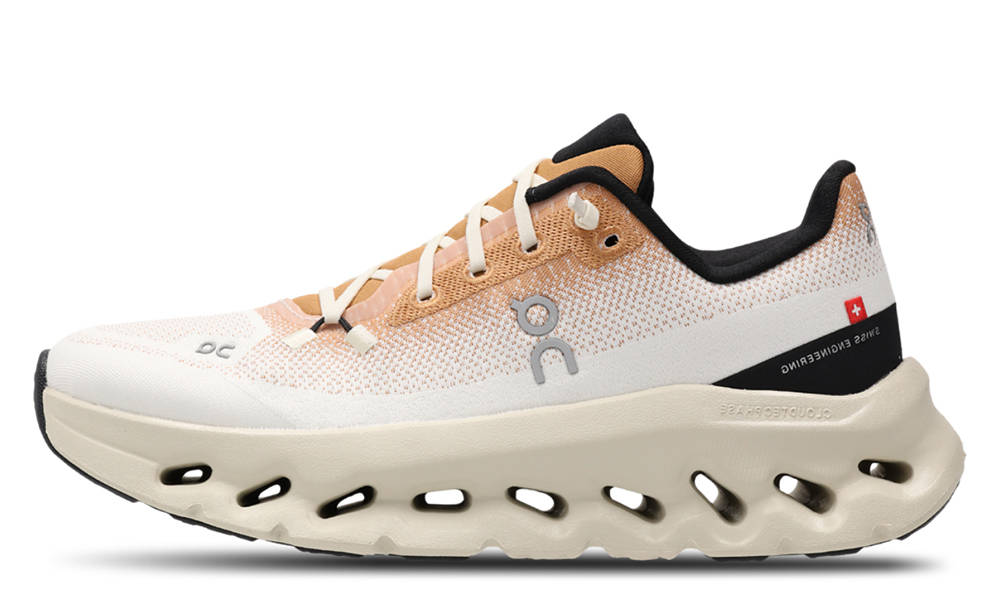
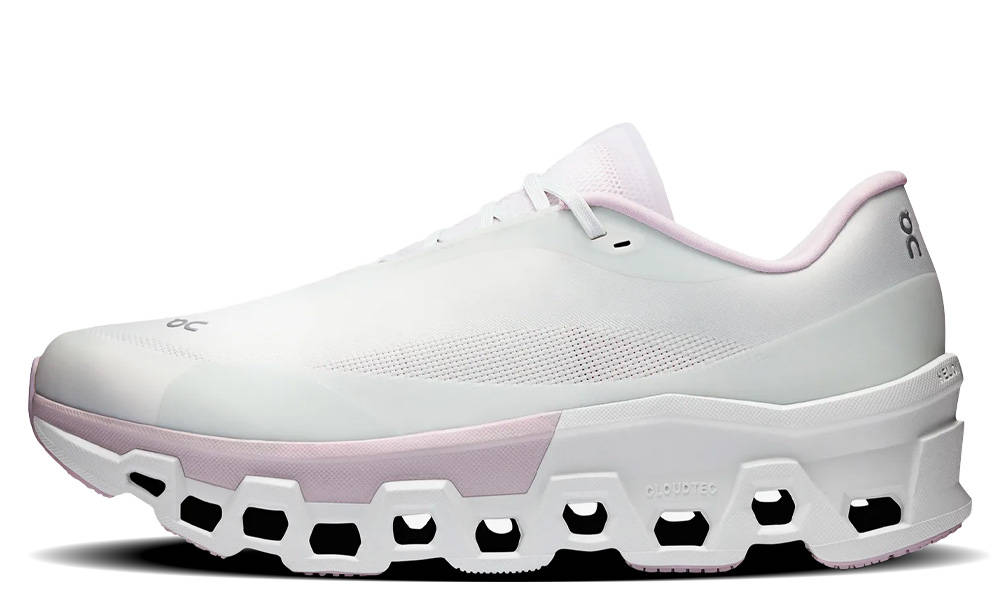
Running shoes for hard surfaces are specifically designed to provide optimal support and cushioning for runners who frequently train on pavements, concrete, or other firm terrains. These shoes feature advanced cushioning technologies that absorb impact, reducing stress on joints and enhancing overall comfort during runs. With a focus on durability, they are constructed from robust materials that withstand the wear and tear of hard surfaces while maintaining breathability.
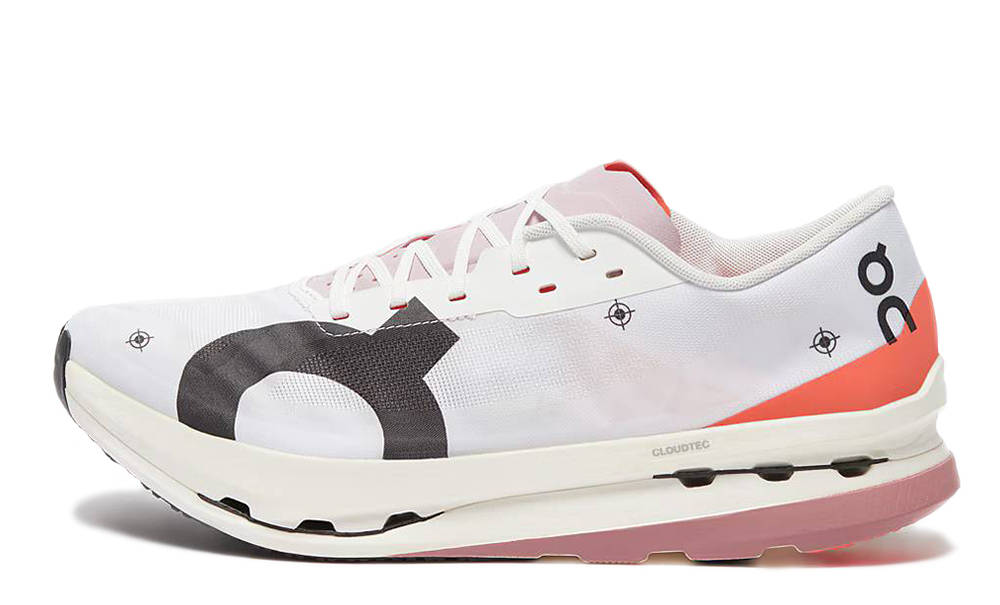
In addition to cushioning, these running shoes often incorporate stability features to help maintain proper foot alignment and prevent injuries. The outsoles are engineered for traction, ensuring a secure grip on various hard surfaces, which is essential for both speed and safety. Whether you’re a casual jogger or a serious runner, investing in the right pair of running shoes for hard surfaces can significantly enhance your performance and enjoyment.
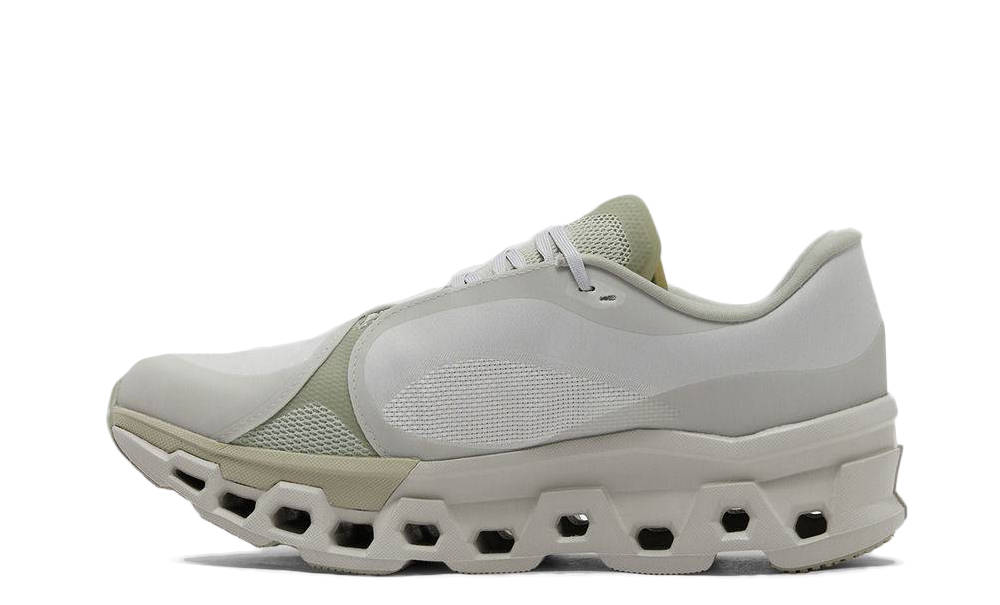

What are the key features of running shoes for hard surfaces?

  • Running shoes for hard surfaces typically include advanced cushioning systems to absorb shock and provide comfort. They also feature durable materials that can withstand the rigours of running on hard terrains, along with stability elements to support proper foot alignment.

Why is cushioning important in running shoes?

  • Cushioning is crucial in running shoes as it helps to absorb the impact of each stride, reducing the risk of injury and fatigue. Proper cushioning can enhance comfort, allowing runners to train longer and more effectively on hard surfaces.

Can I use running shoes for hard surfaces on trails?

  • While running shoes for hard surfaces are designed for pavement and concrete, they may not provide the necessary traction and support for uneven or soft trail surfaces. It’s best to use shoes specifically designed for trail running to ensure safety and performance on varied terrains.

How do I choose the right running shoes for hard surfaces?

  • When selecting running shoes for hard surfaces, consider factors such as your foot type, running style, and the level of cushioning you prefer. It’s also important to try on different models to find the best fit and support for your needs.

How often should I replace my running shoes?

  • It’s generally recommended to replace running shoes every 300 to 500 miles, depending on your running style and the shoe’s construction. Regularly checking for signs of wear, such as reduced cushioning or uneven tread, can help determine when it’s time for a new pair.