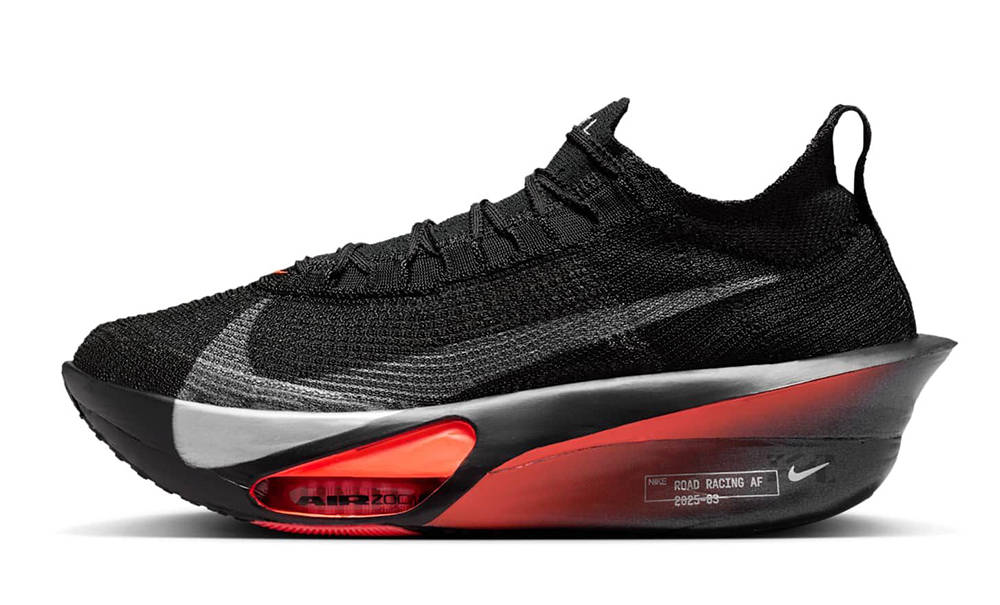
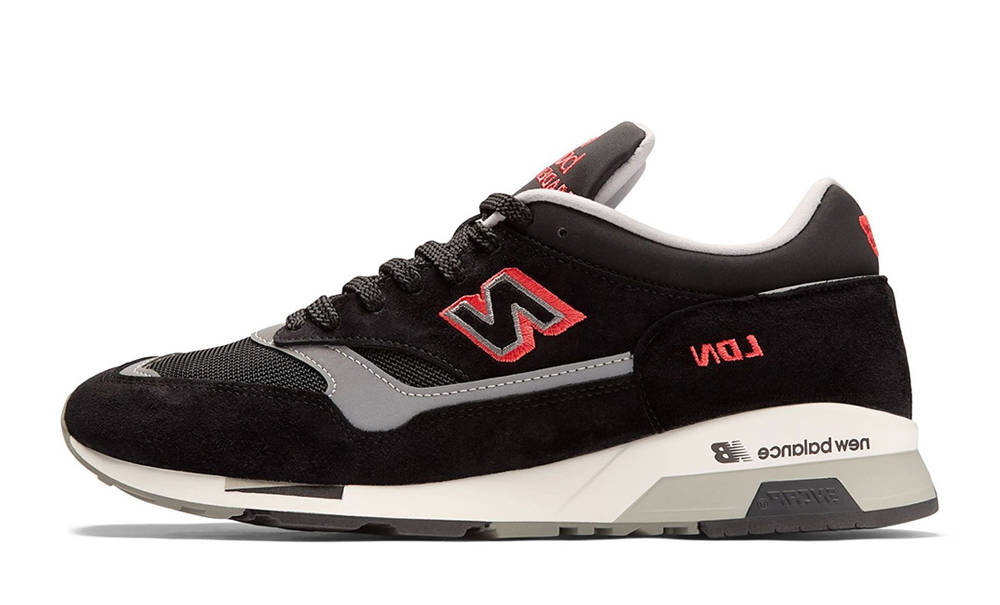
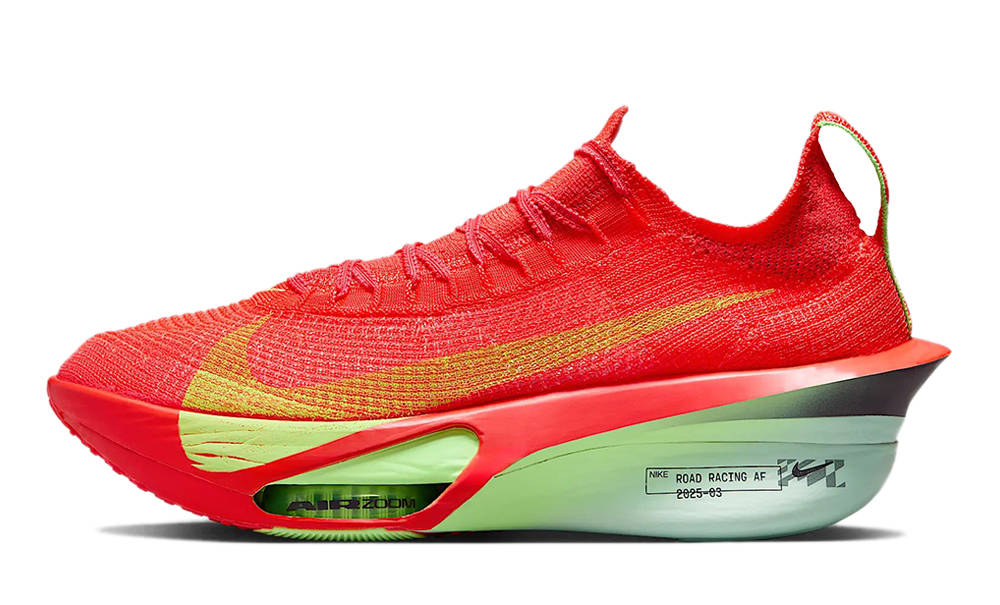
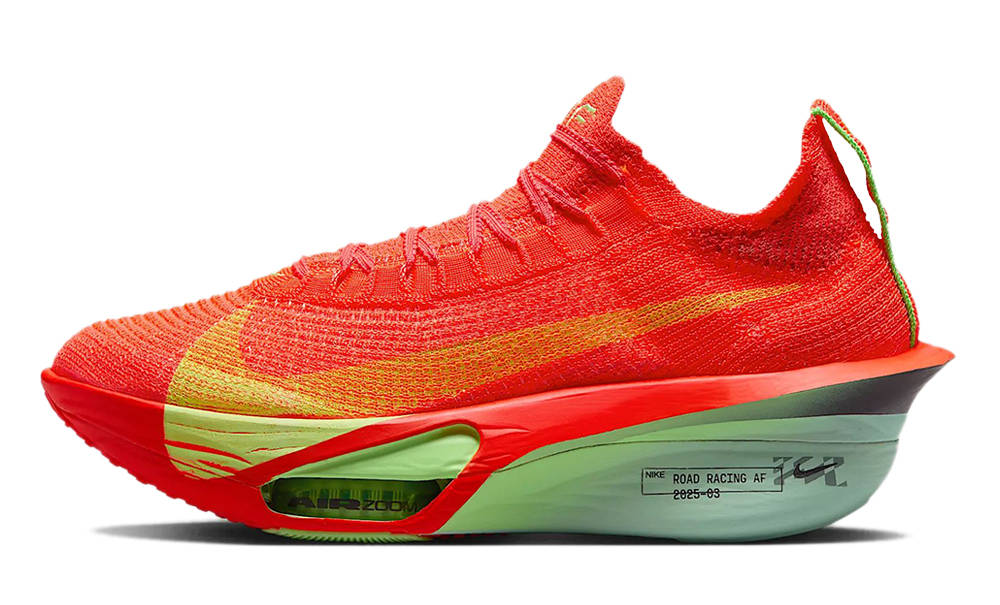
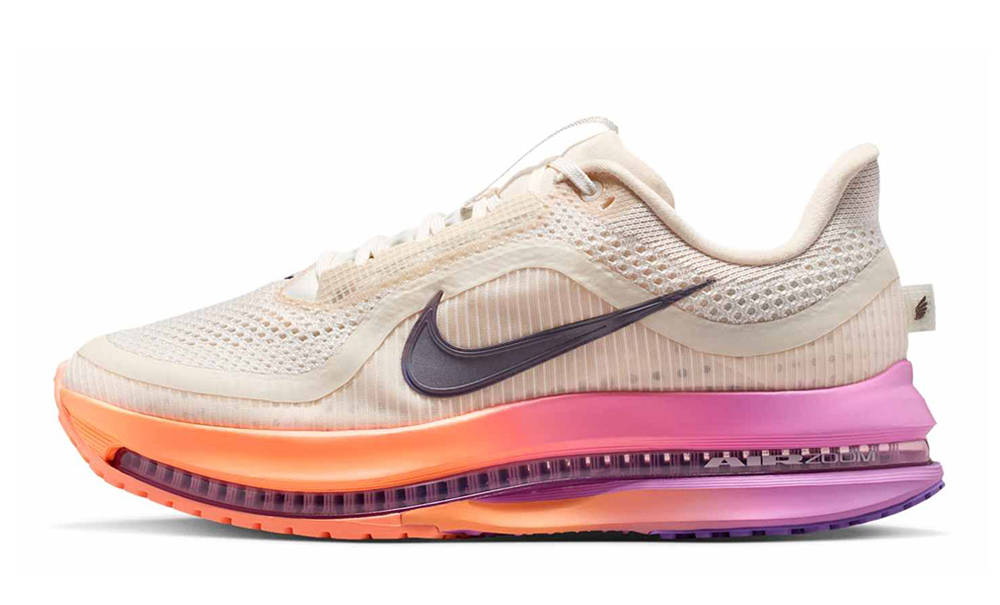
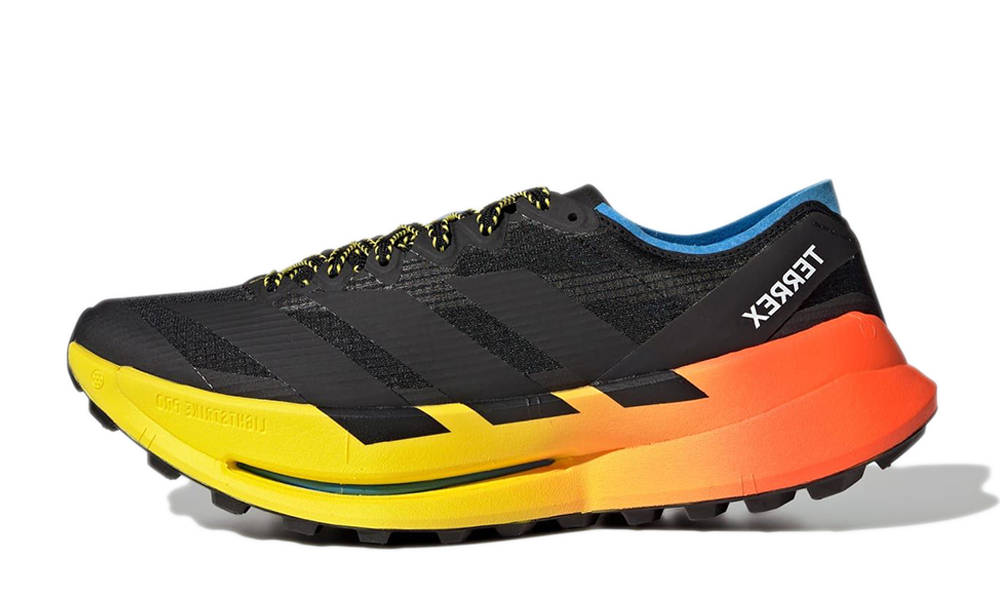
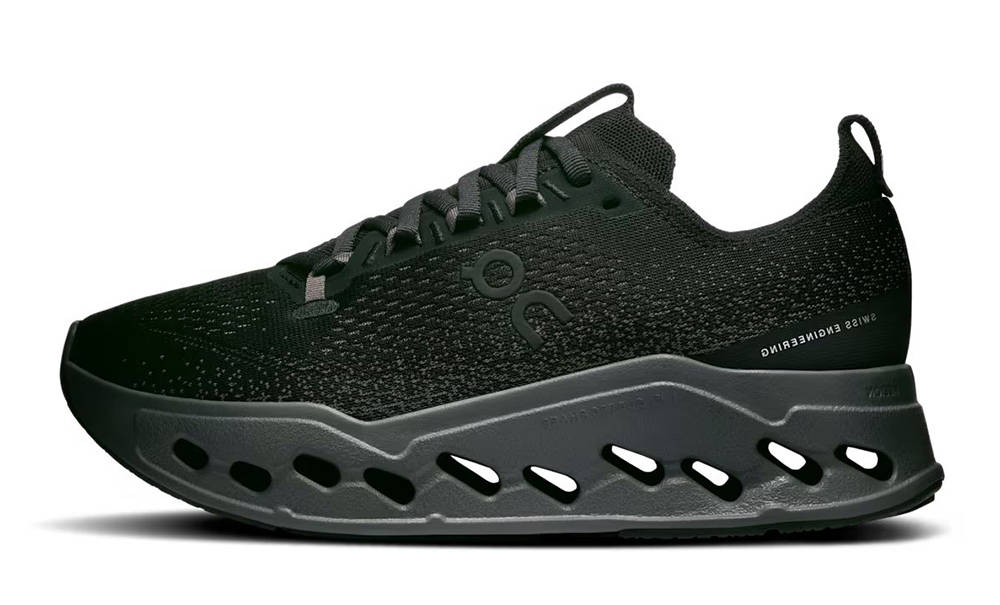
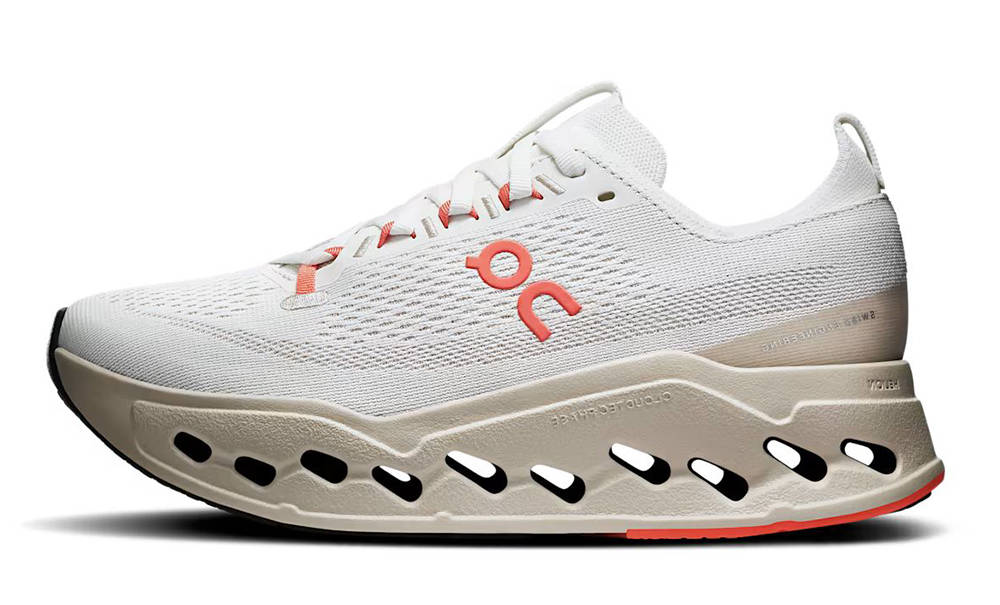
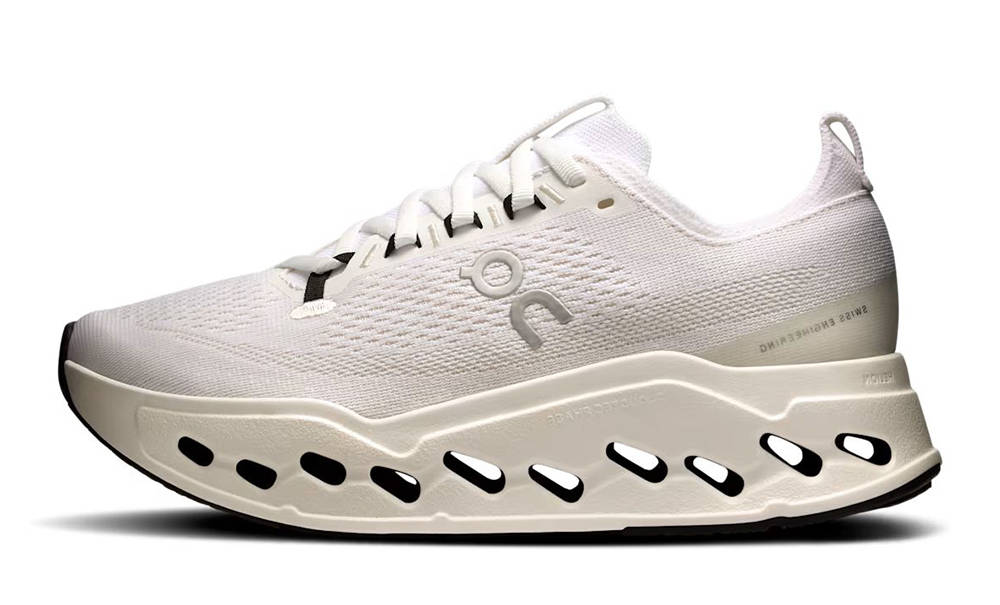
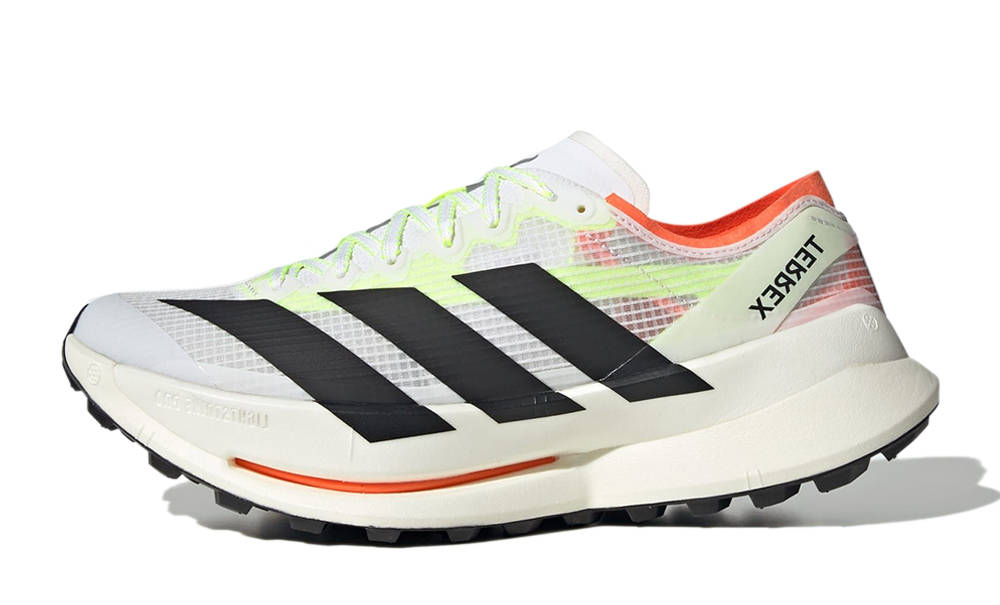
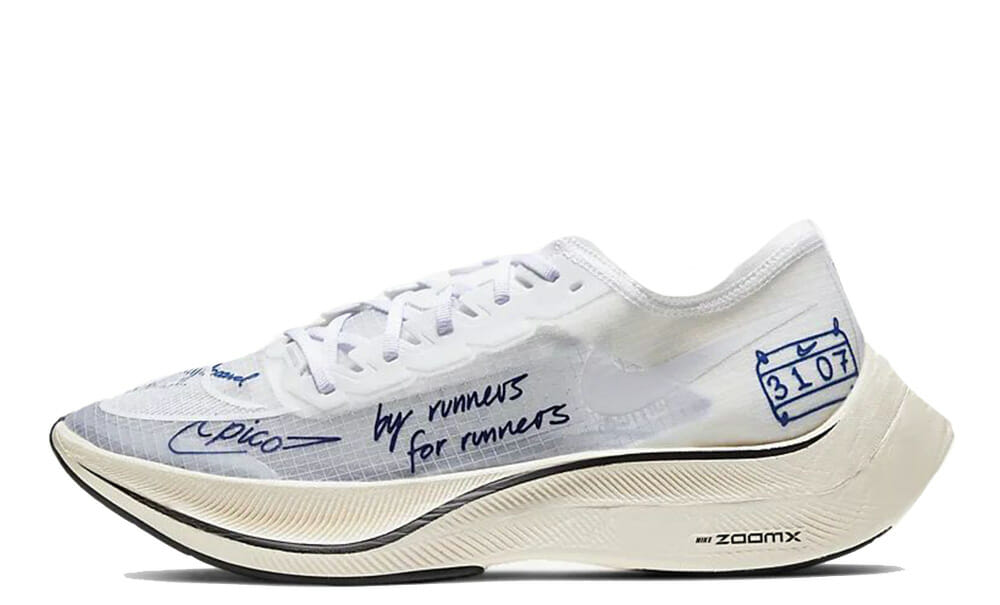
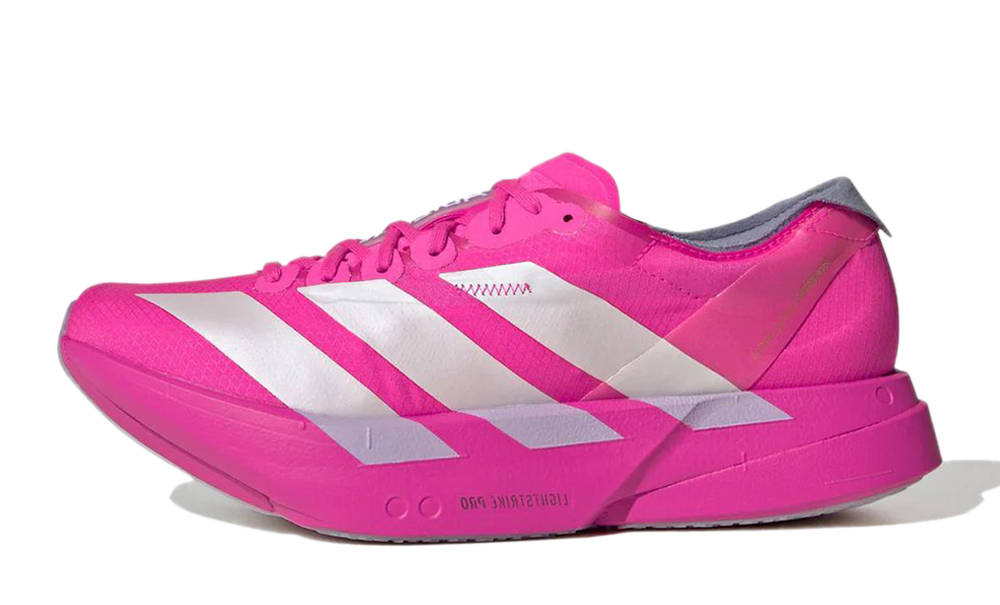
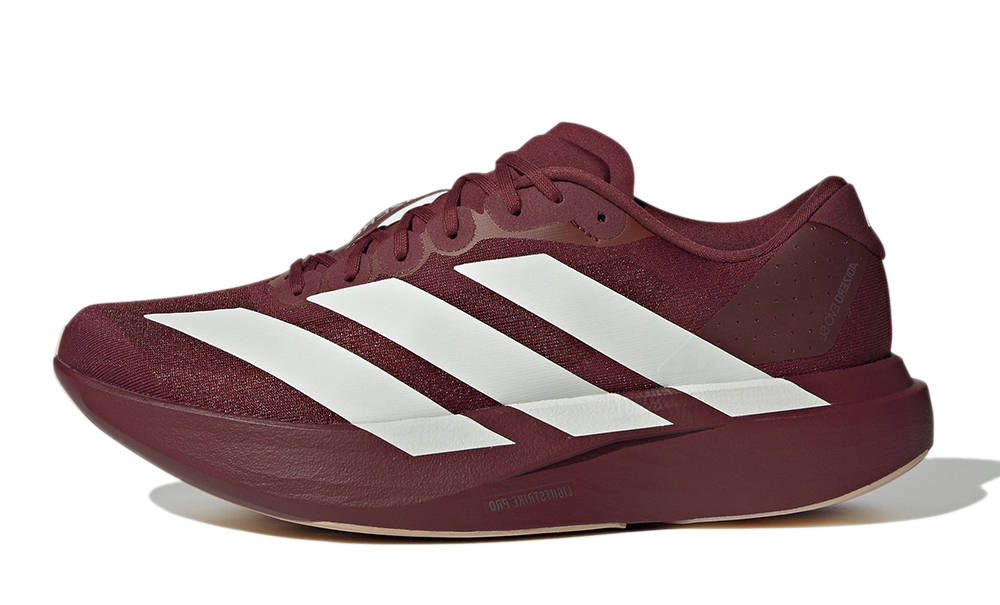
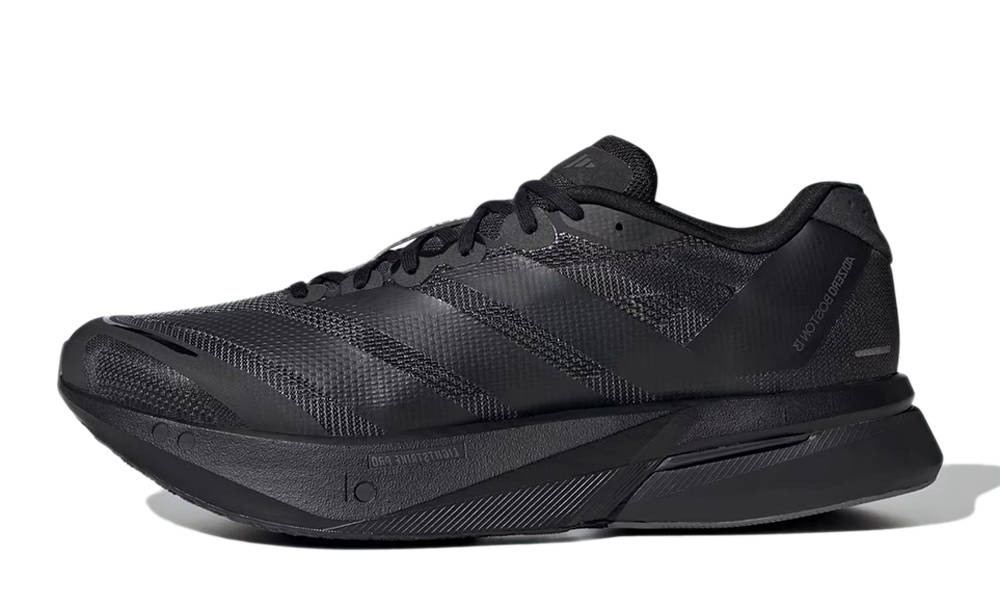
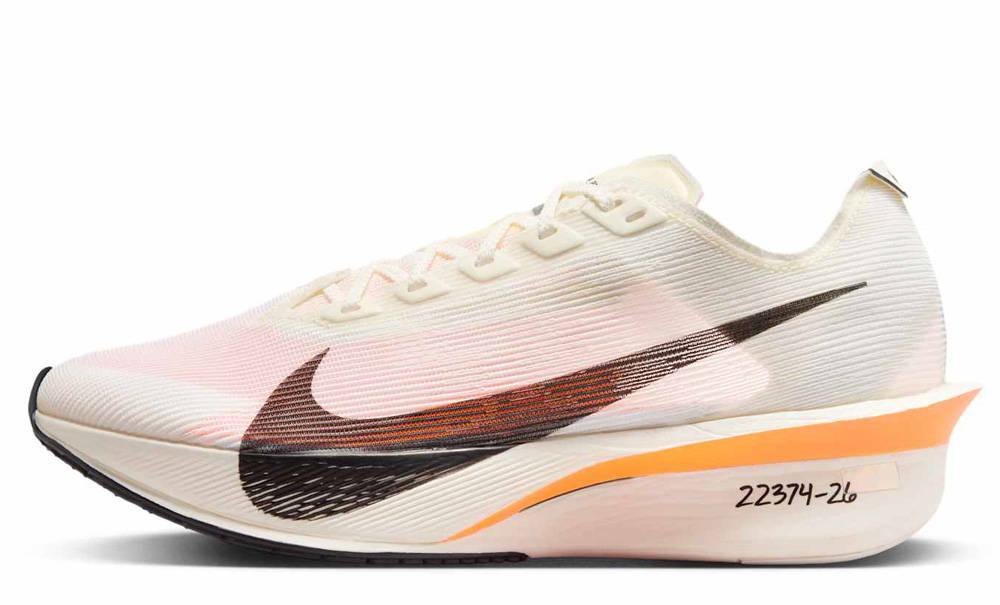
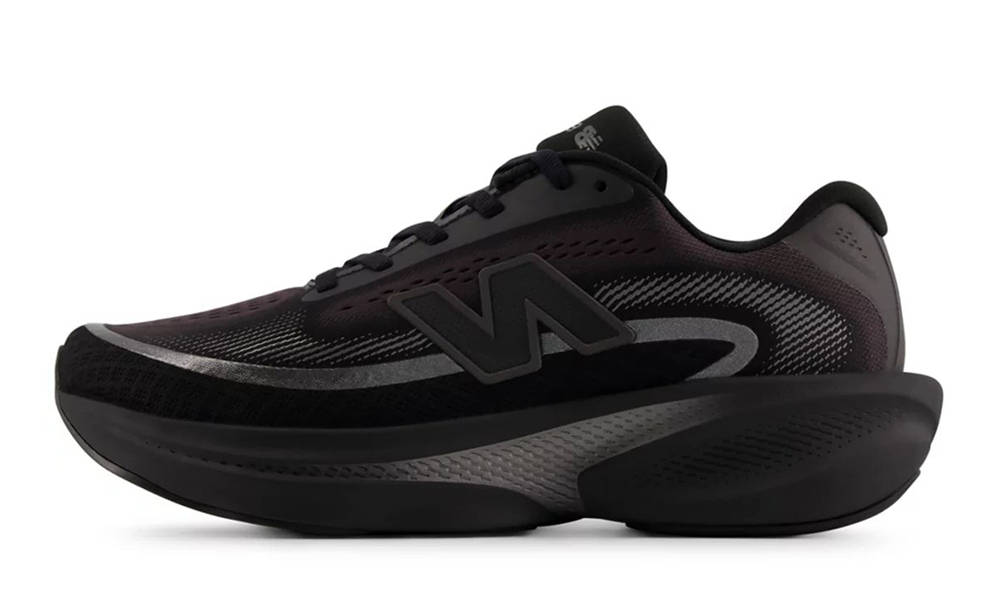
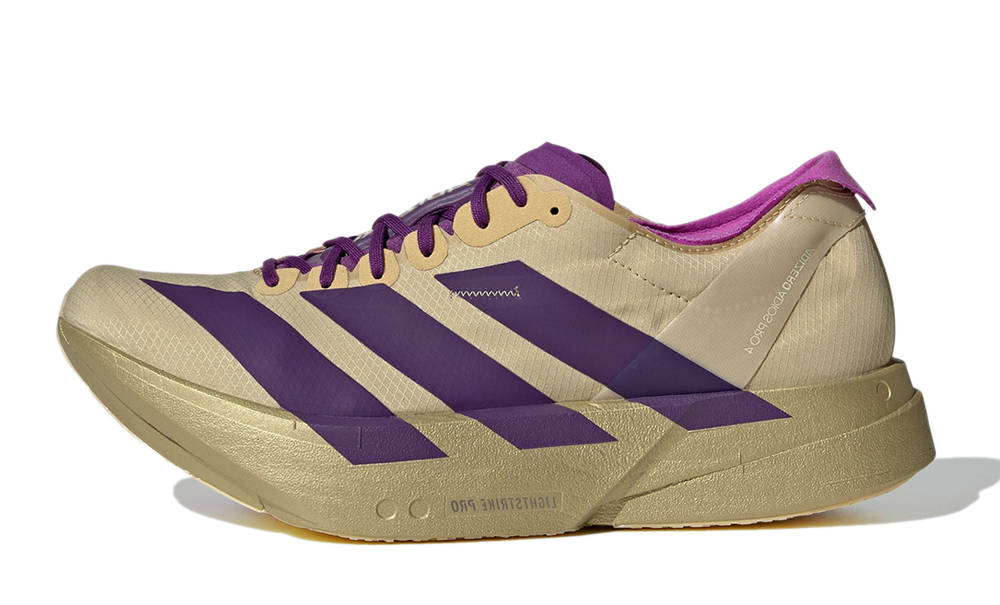
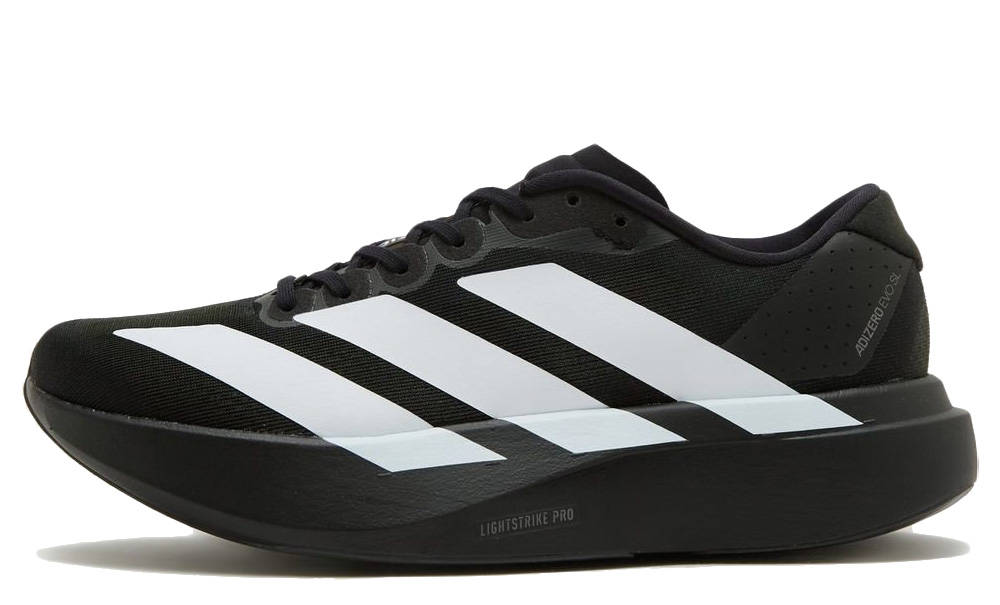
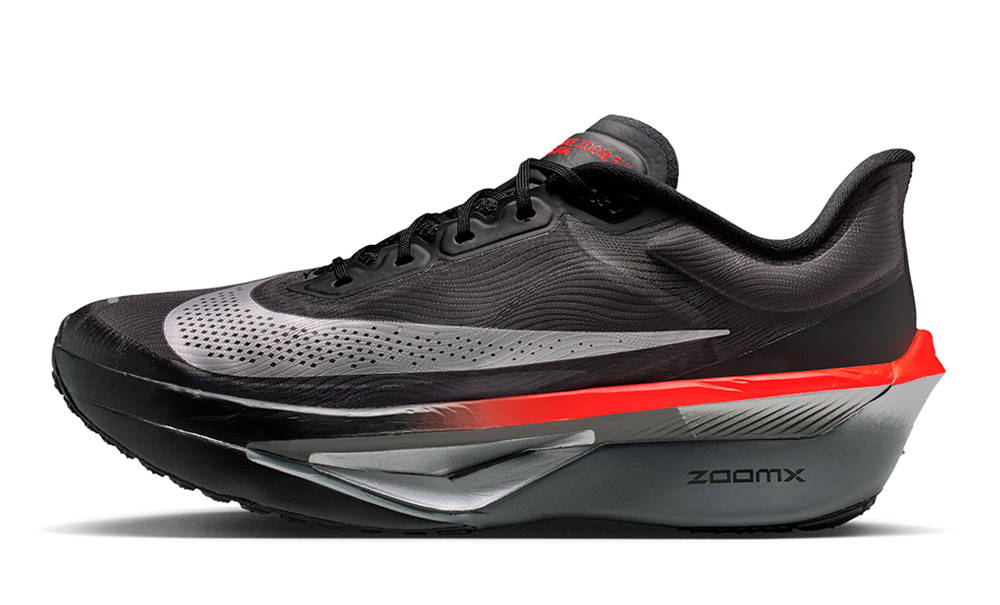
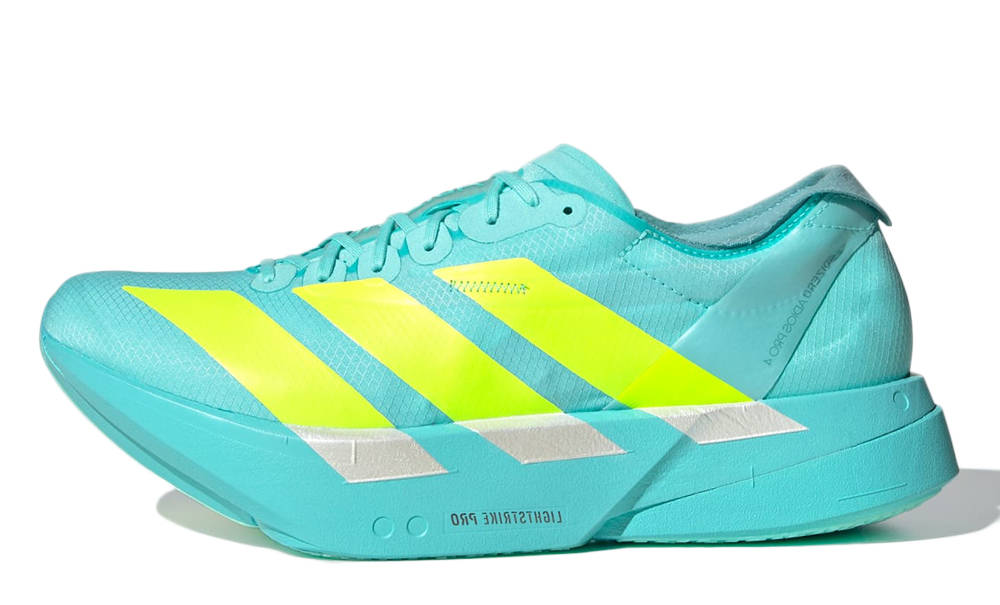
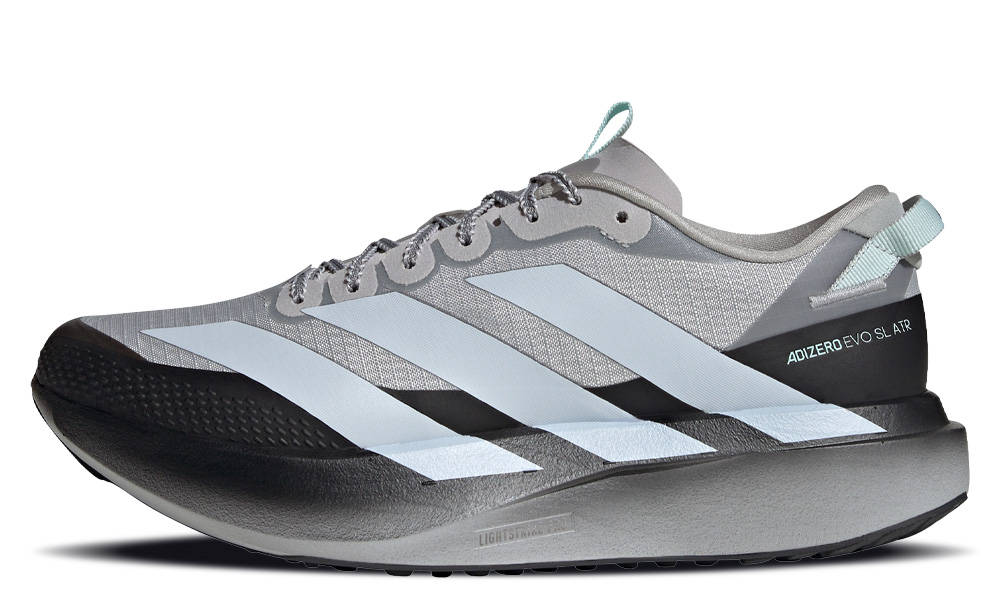
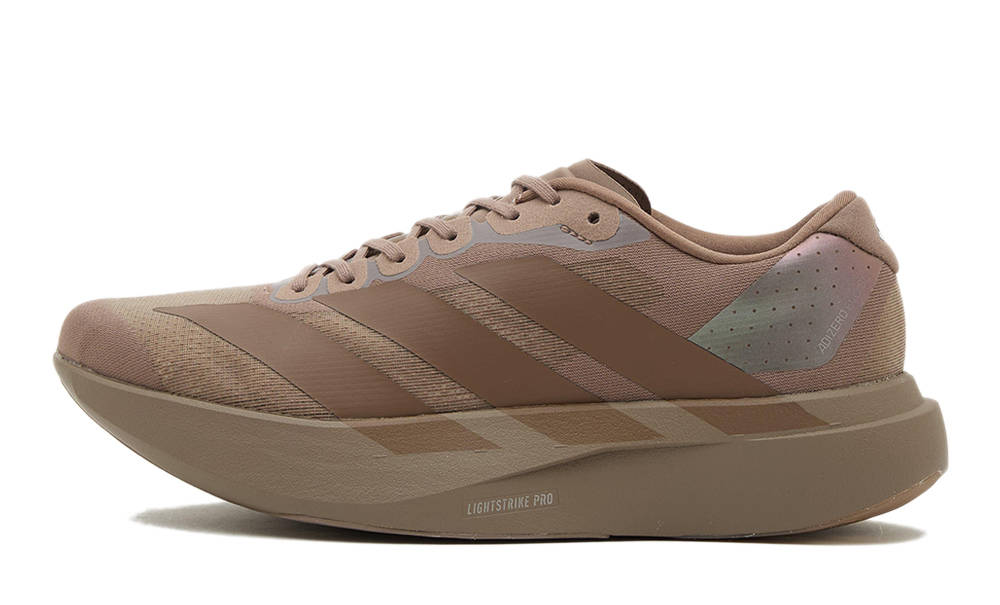
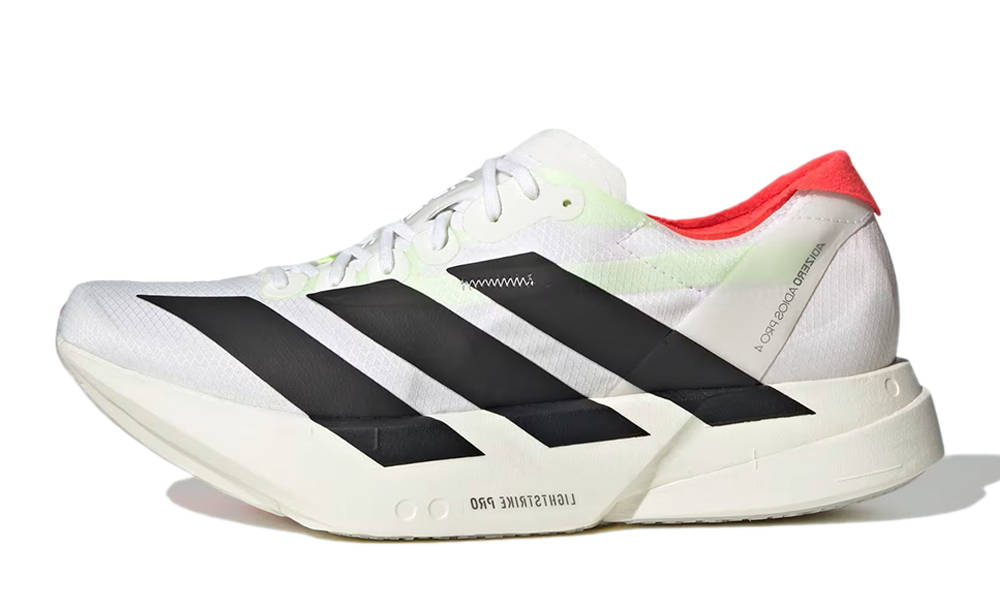
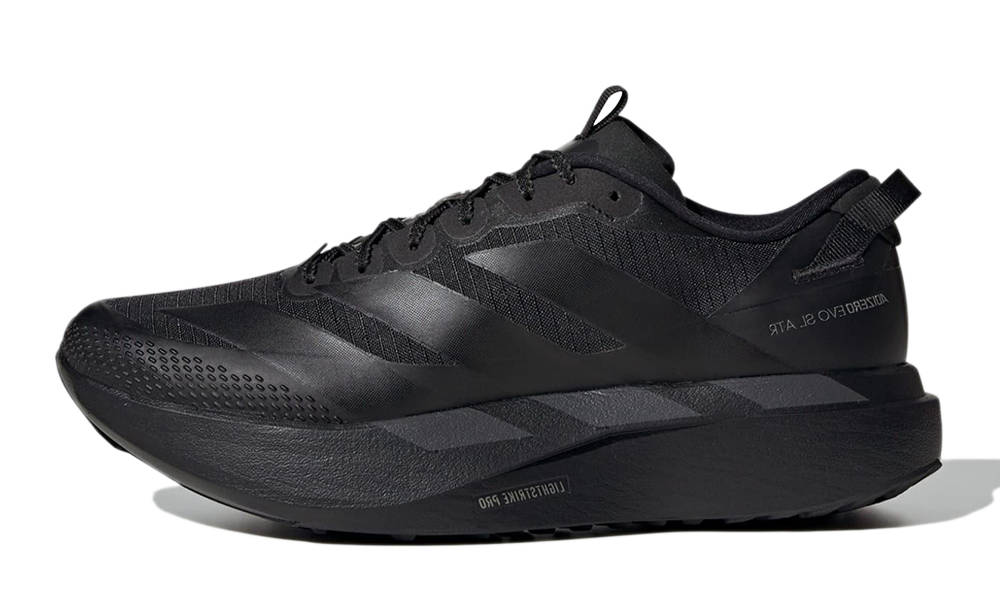
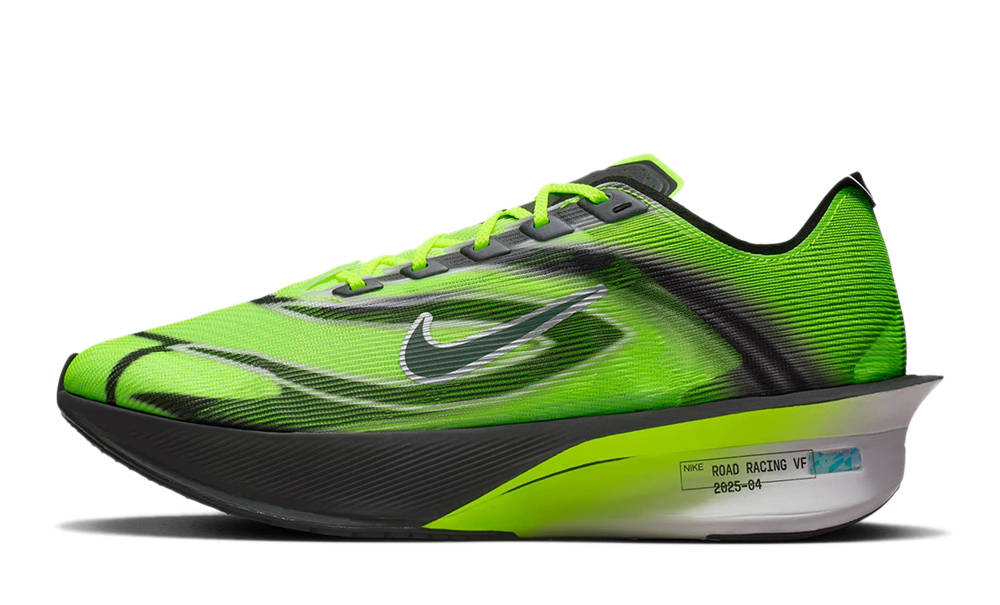
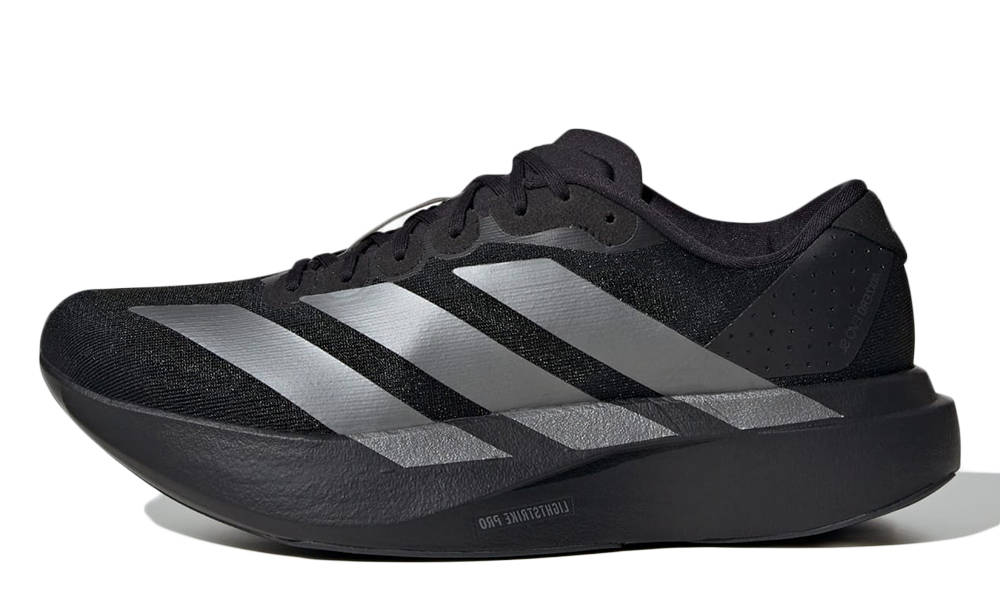
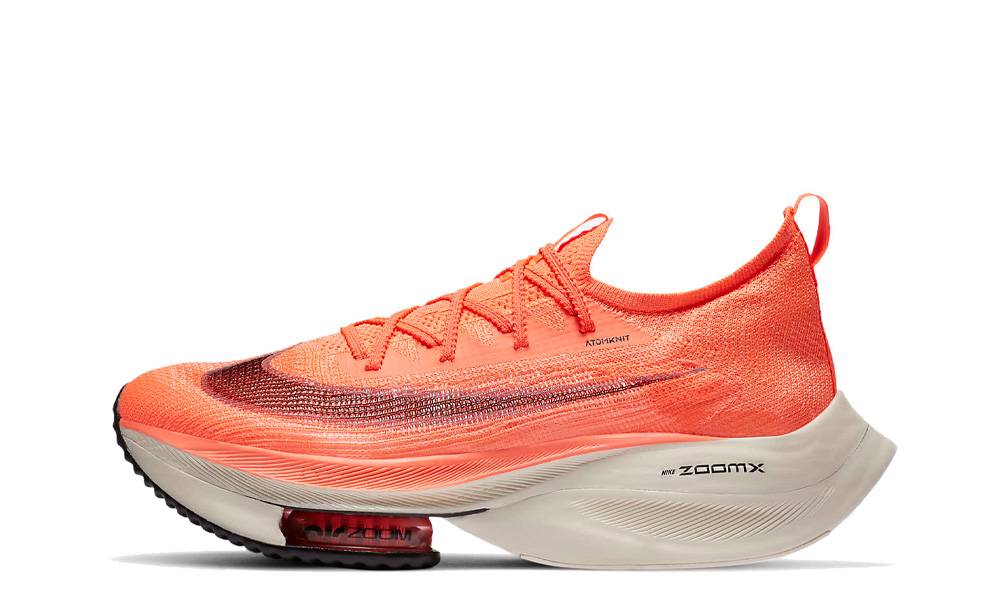
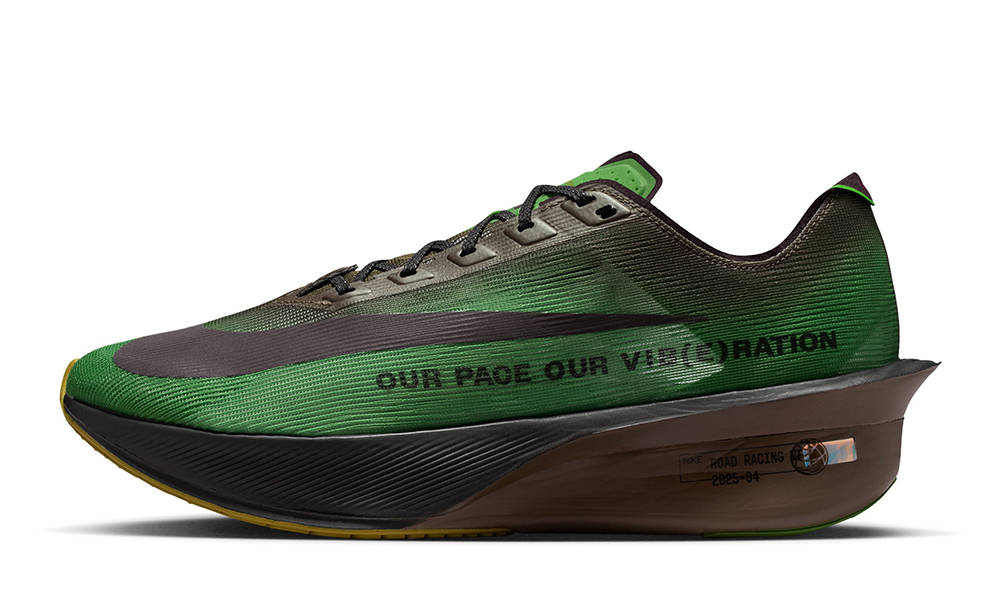
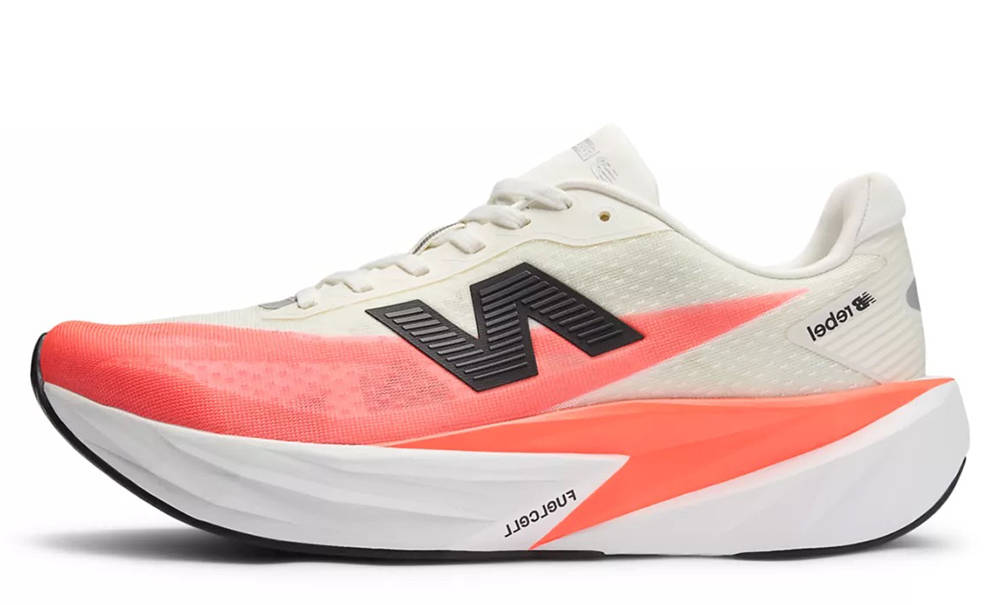
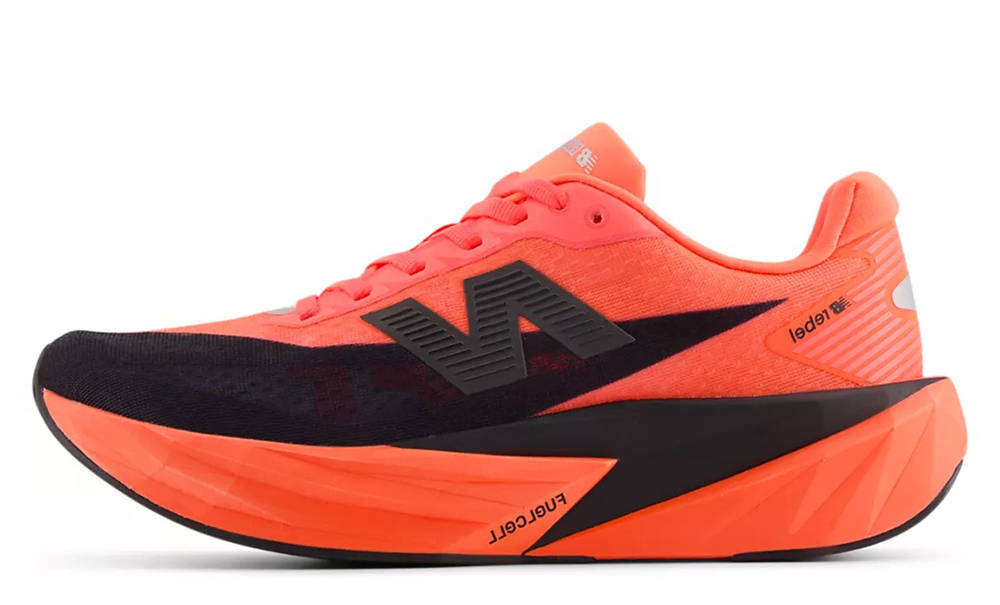
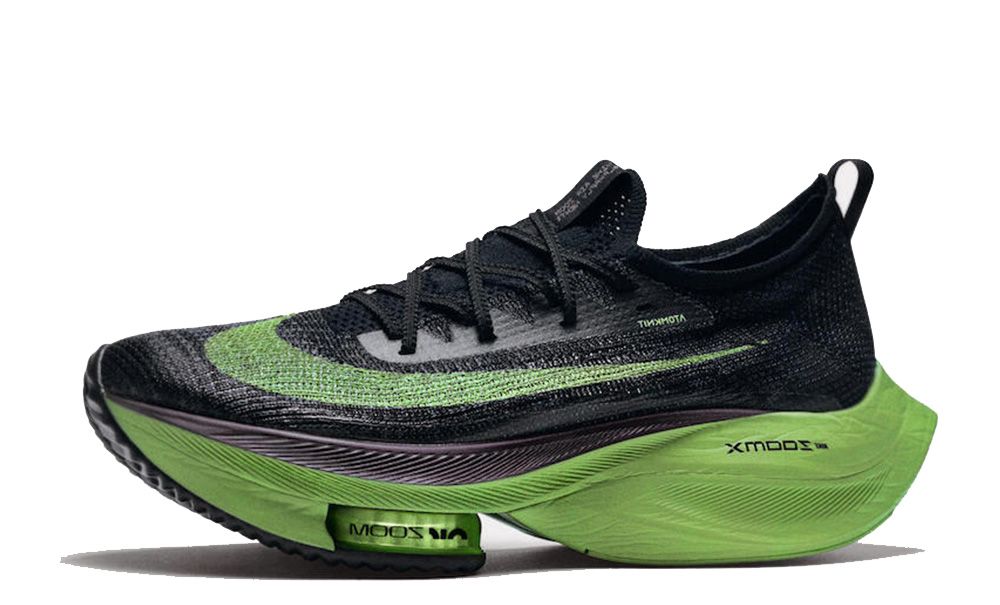
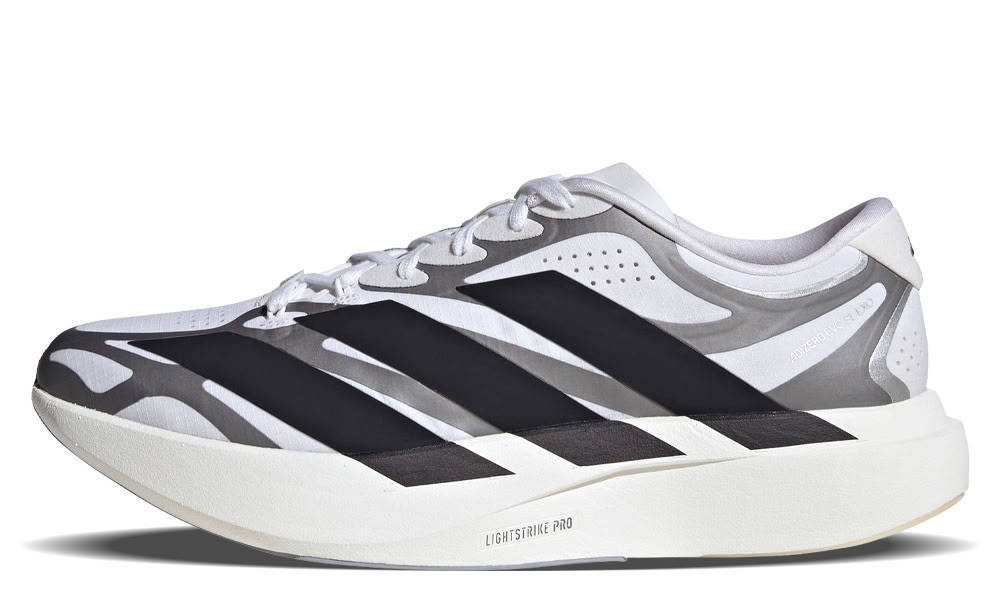
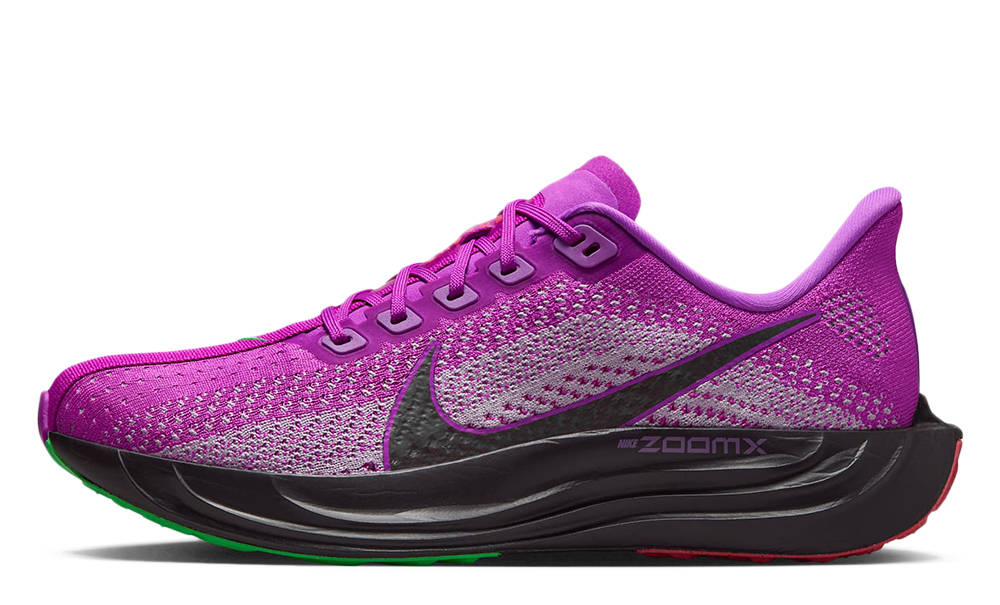
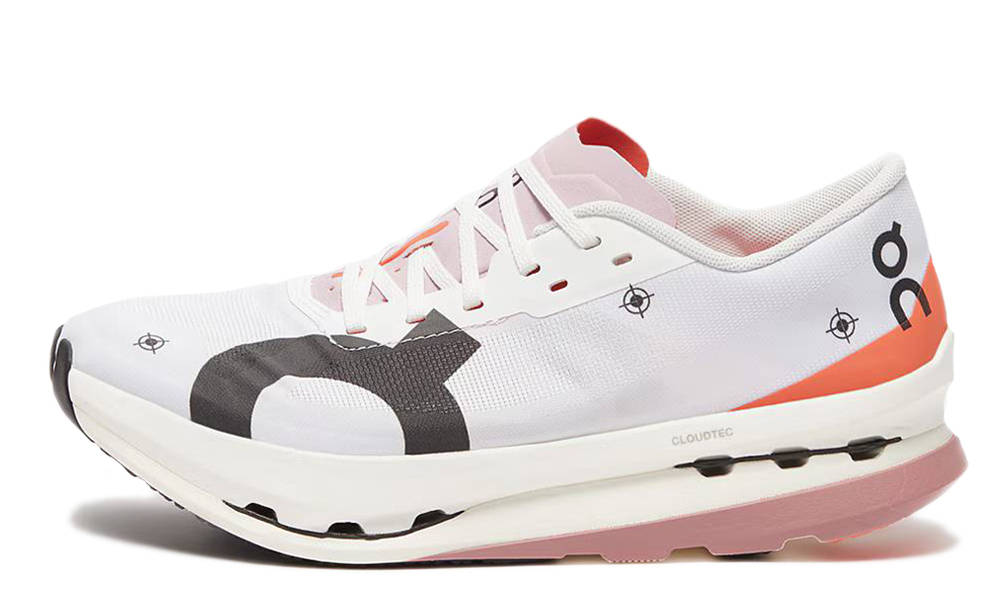
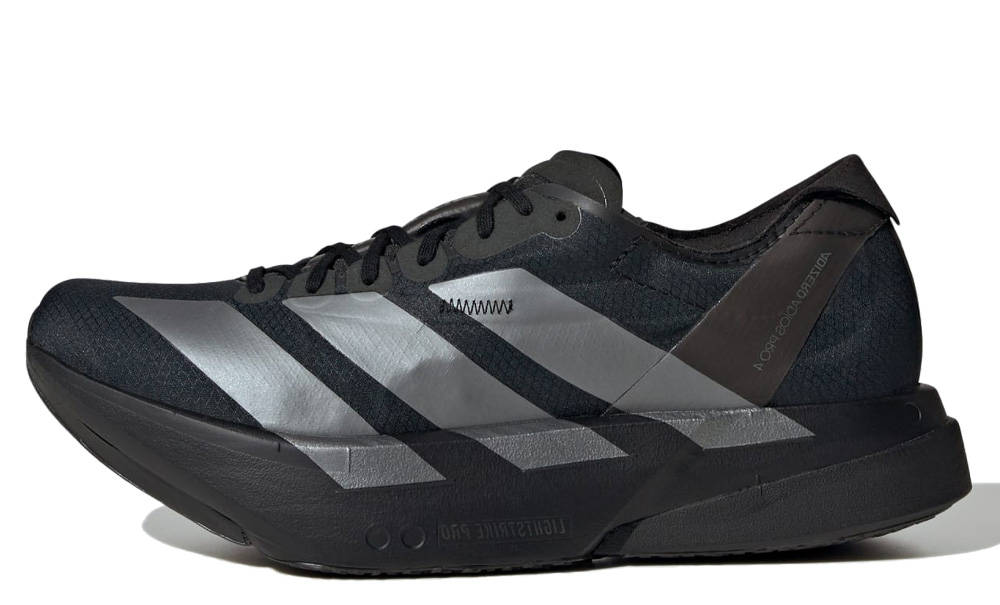
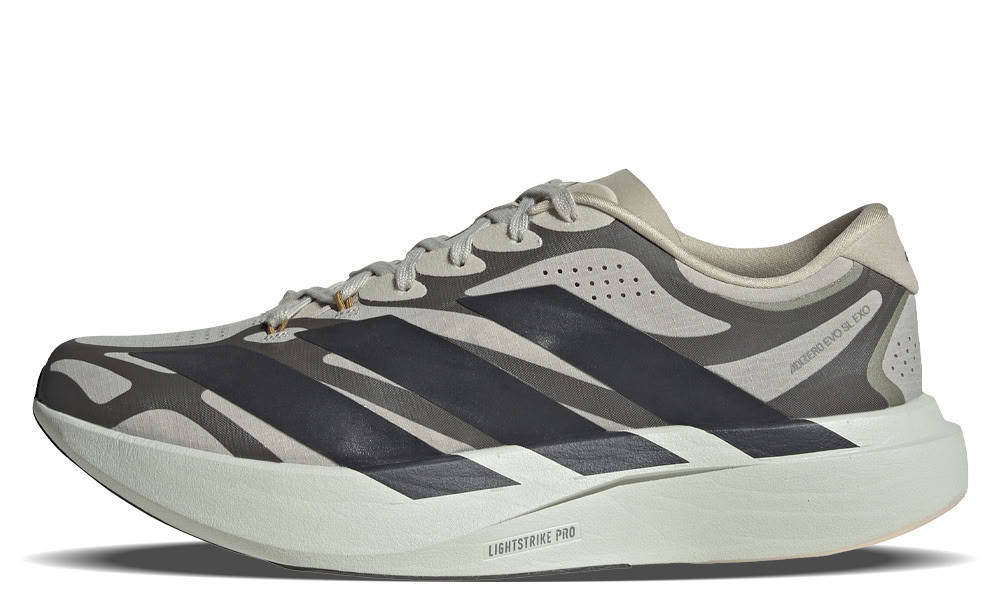
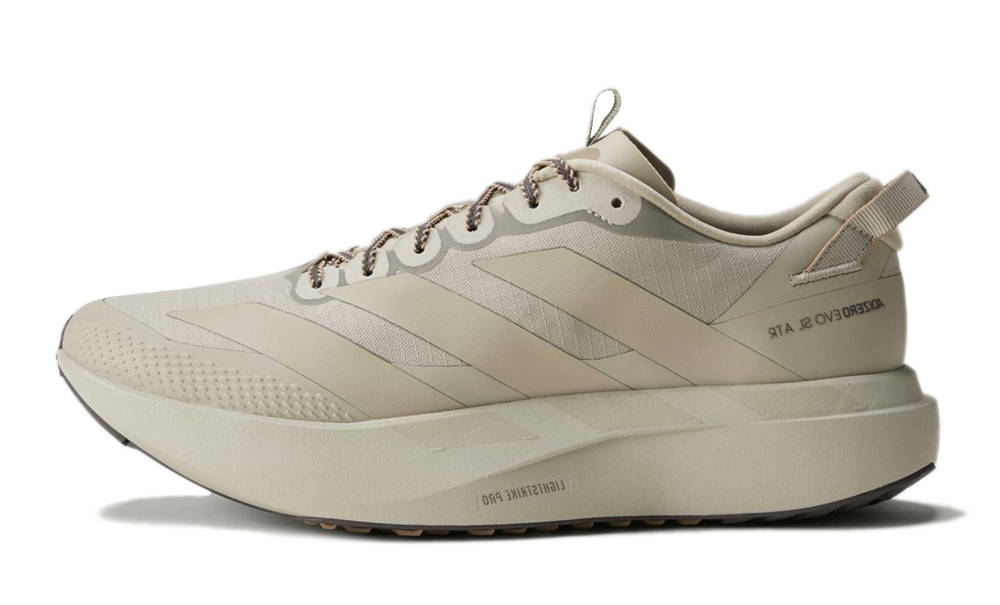
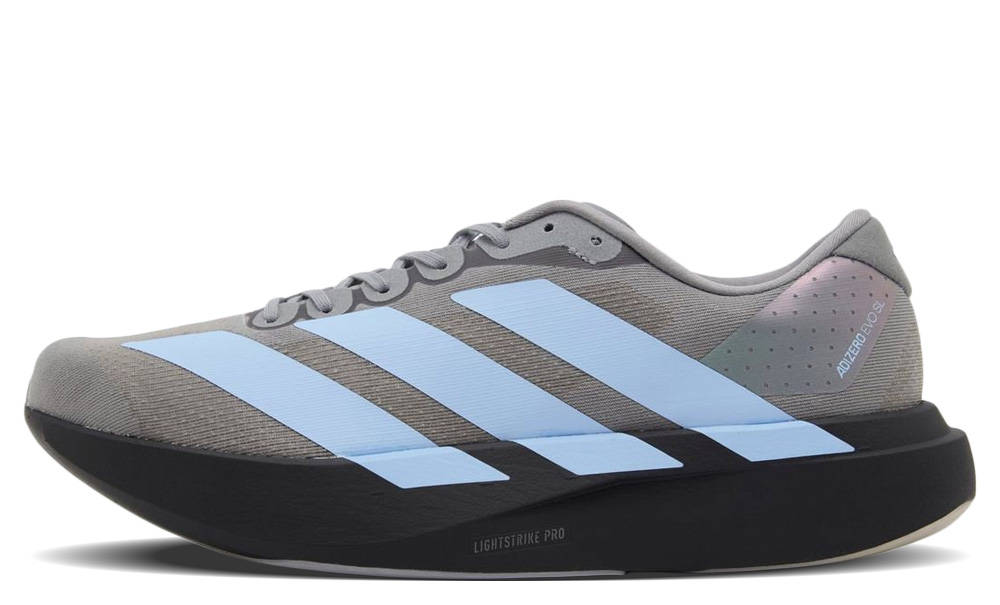
Running Shoes for Races


Select your size for the best results.
iPhone

Tired of missing drops?

Get the app.

4.8

Download on the App StoreDownload now

About Running Shoes for Races


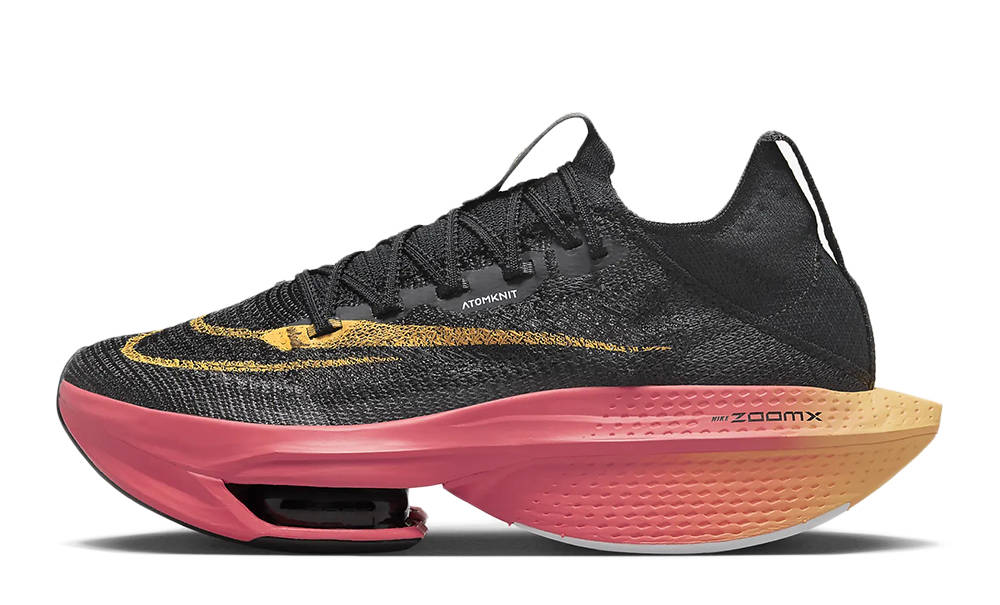
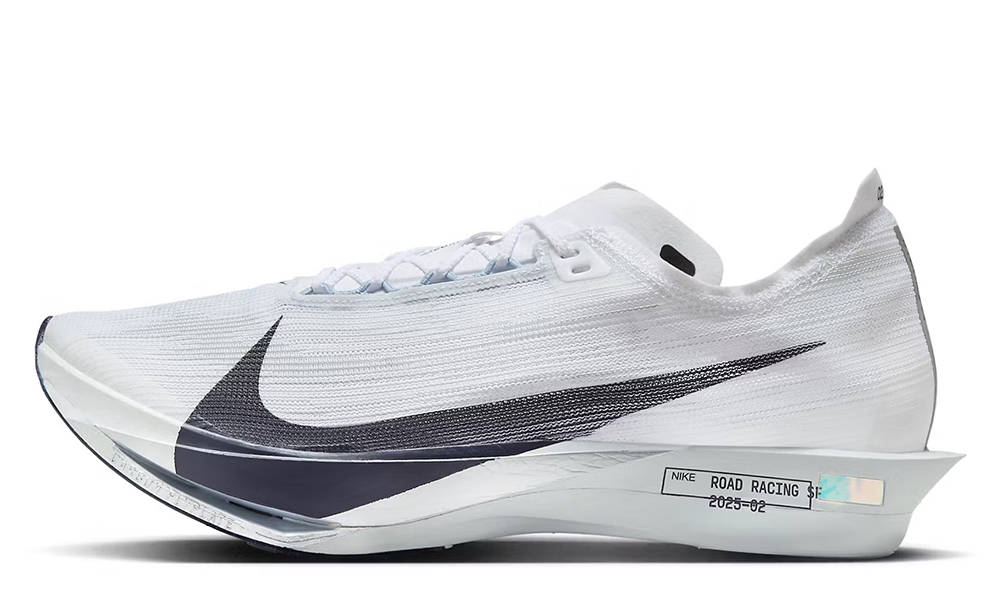
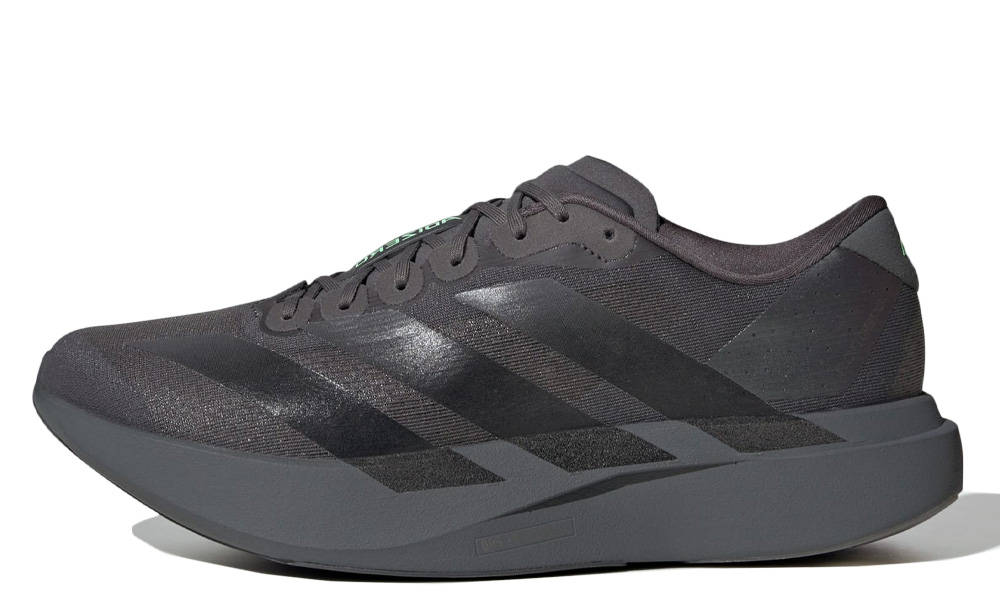
Running shoes for races are specifically designed to enhance performance and provide the support needed for competitive events. These shoes typically feature lightweight materials, responsive cushioning, and a streamlined fit to help you achieve your best times. With advanced technologies that promote breathability and flexibility, they ensure comfort during long-distance runs while reducing the risk of injury.

Whether you're training for a marathon or participating in shorter races, the right pair of running shoes can make a significant difference in your performance. Many models incorporate features such as enhanced traction for varied terrains, energy-return systems for efficient strides, and a snug fit to keep your foot secure. Investing in quality running shoes tailored for races can elevate your running experience and help you reach your goals.


What should I look for in running shoes for races?

  • When selecting running shoes for races, consider factors such as weight, cushioning, and fit. Look for lightweight options that provide adequate support without adding unnecessary bulk. Additionally, ensure the shoes have a snug fit to prevent movement during runs, which can lead to blisters.

Are racing shoes different from regular running shoes?

  • Yes, racing shoes are typically lighter and designed for speed, while regular running shoes focus on comfort and durability for everyday training. Racing shoes often have less cushioning and a more minimal design to enhance performance during races.
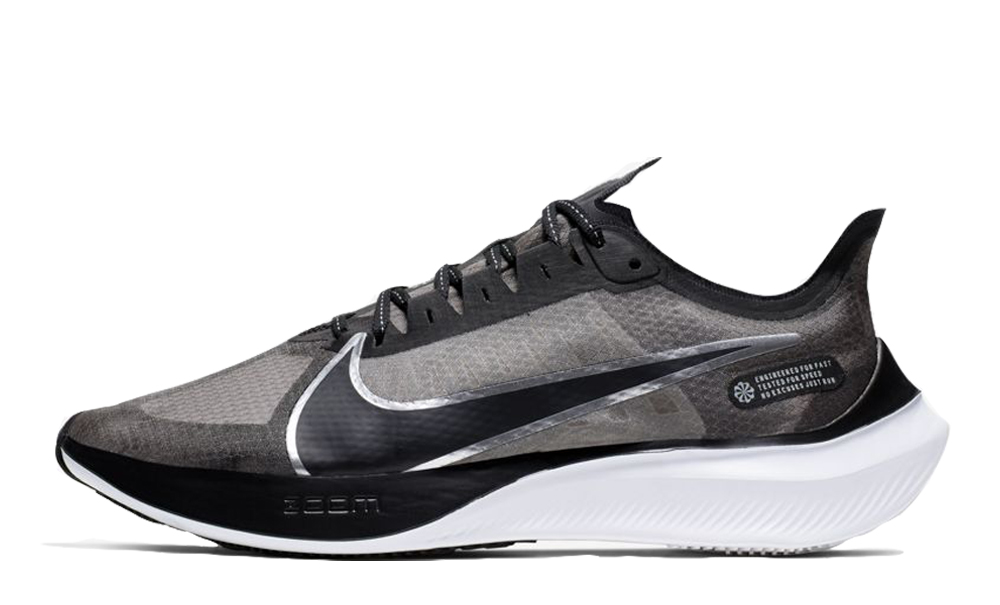
How do I choose the right size for racing shoes?

  • To choose the right size for racing shoes, it’s essential to try them on with the socks you plan to wear during races. Ensure there’s a thumb's width of space between your longest toe and the front of the shoe to accommodate foot movement during runs. It's also advisable to shop later in the day when your feet are slightly swollen for a more accurate fit.

Can I use racing shoes for training?

  • While you can use racing shoes for training, it's generally recommended to reserve them for race day or speed workouts. Their lightweight design and minimal cushioning may not provide the same level of comfort and support needed for longer training sessions, which can lead to fatigue or injury.

How often should I replace my racing shoes?

  • Racing shoes should typically be replaced every 300 to 500 miles, depending on your running style and the surfaces you run on. Signs that it’s time for a replacement include decreased cushioning, visible wear on the outsole, and discomfort during runs. Regularly assessing your shoes can help maintain optimal performance.