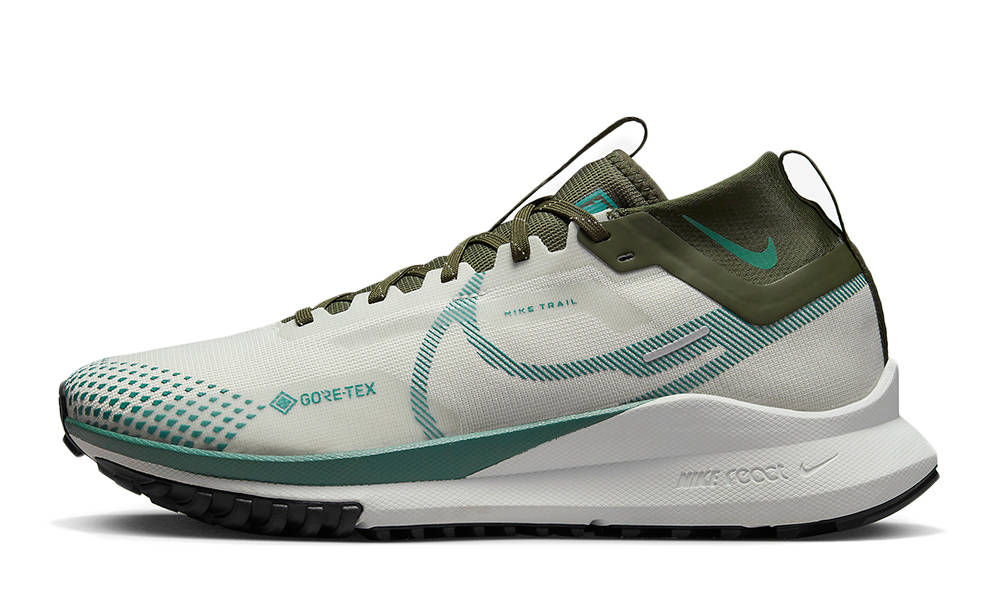
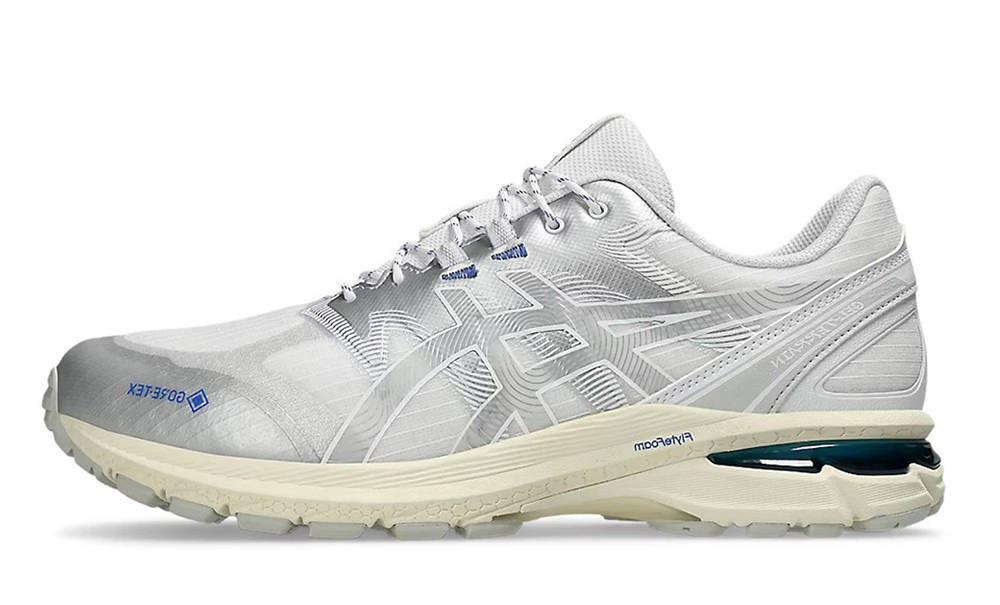
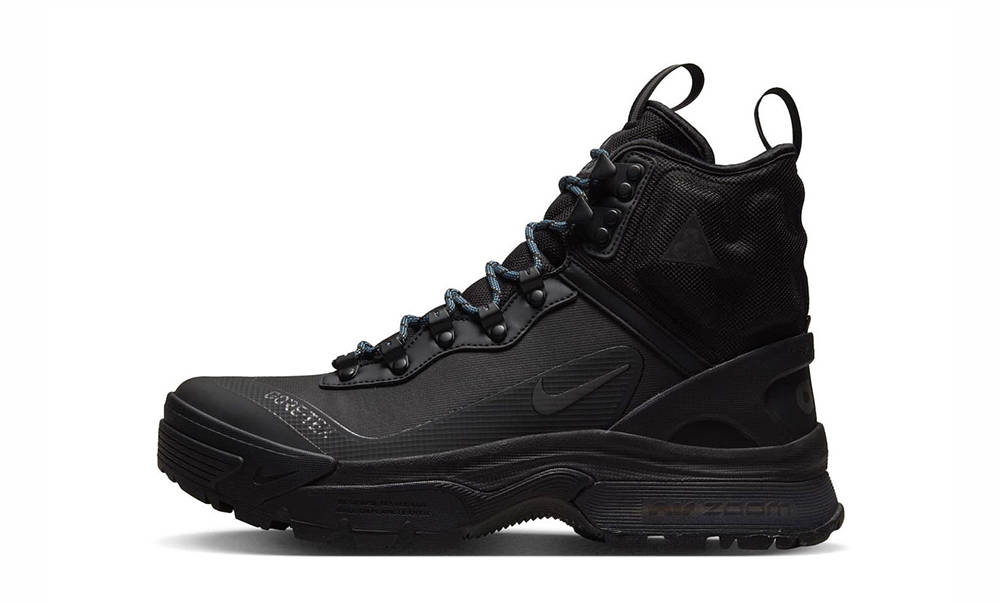
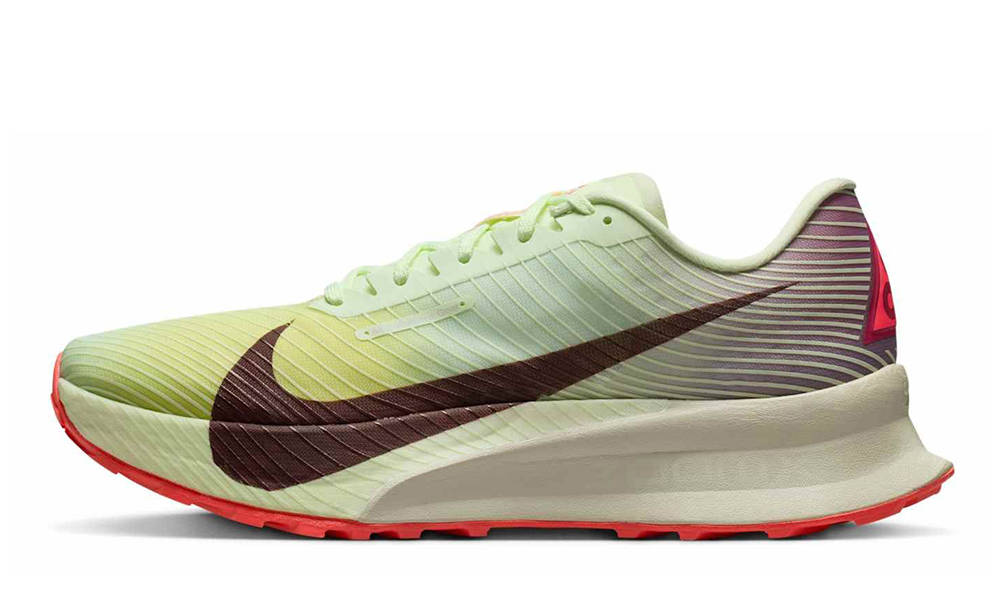
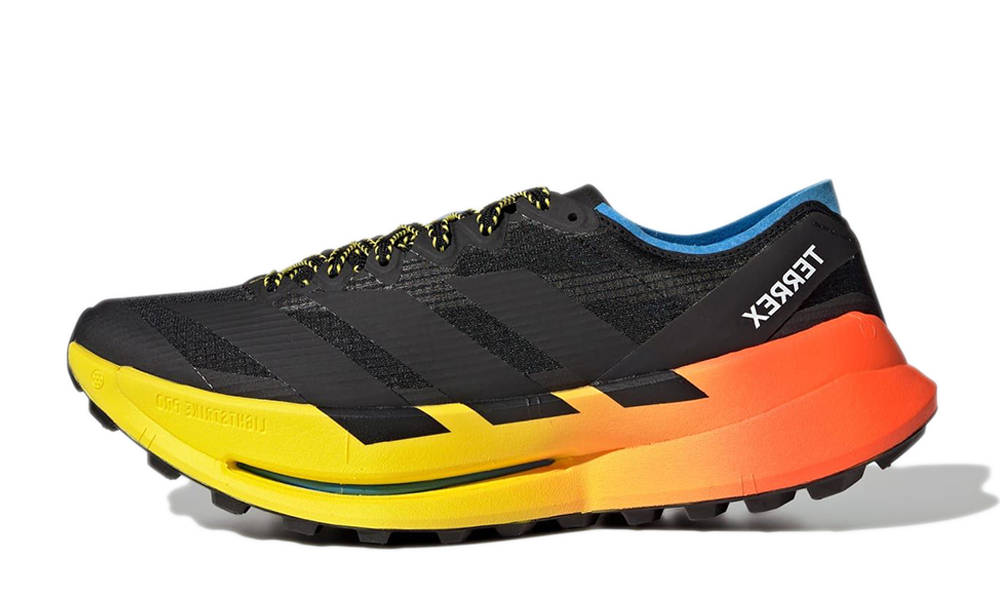
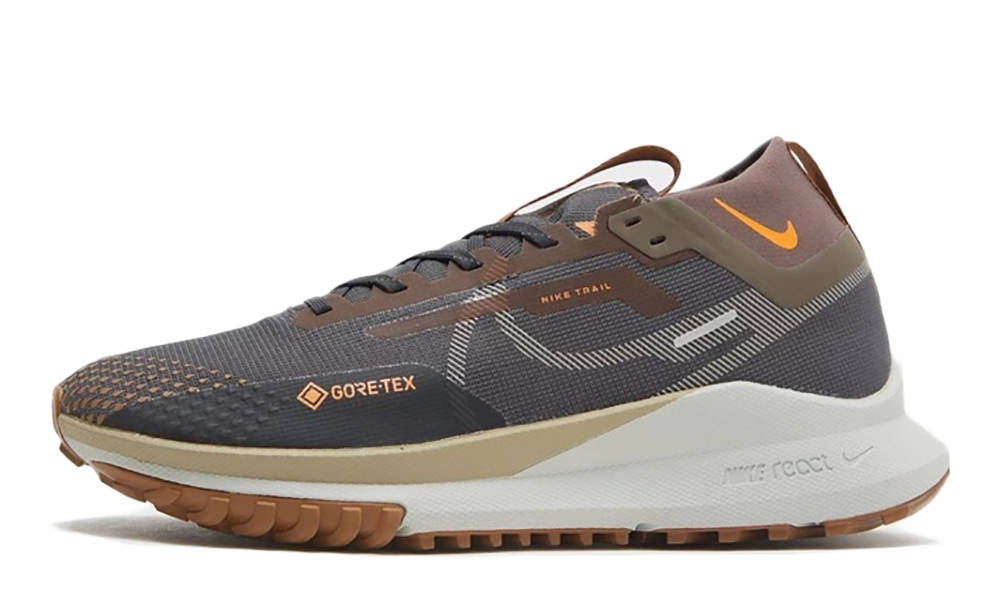
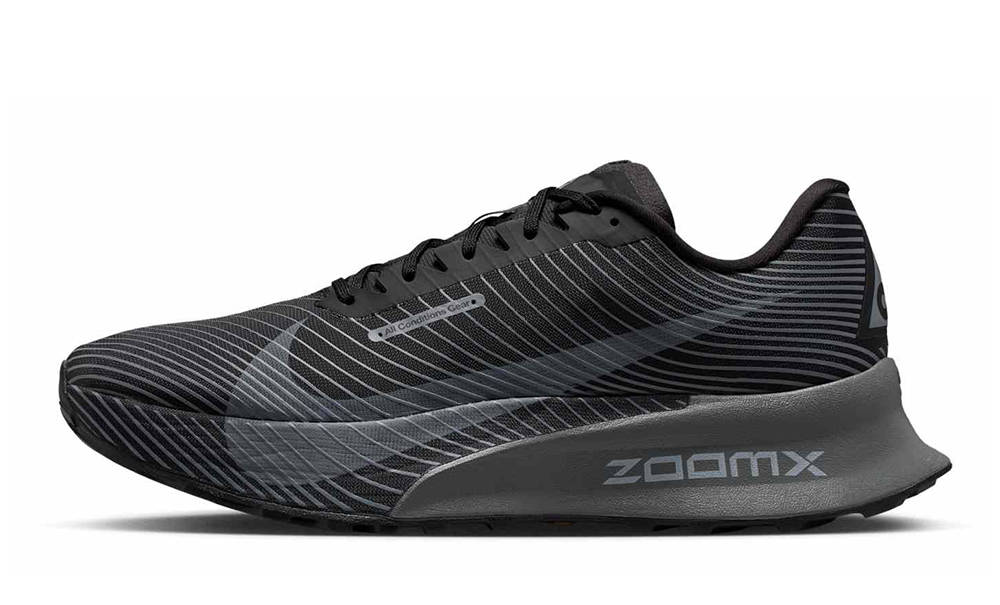
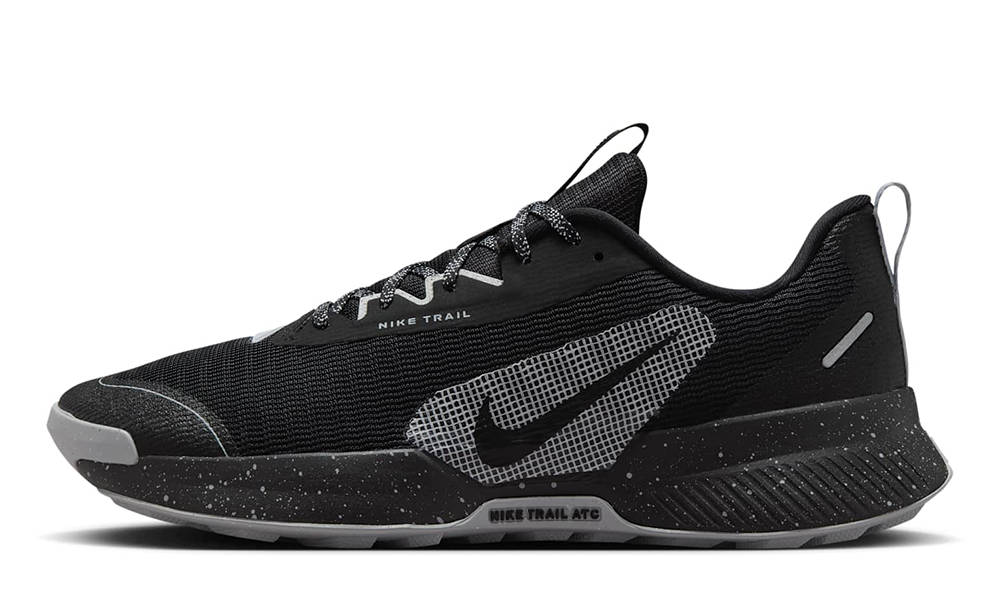
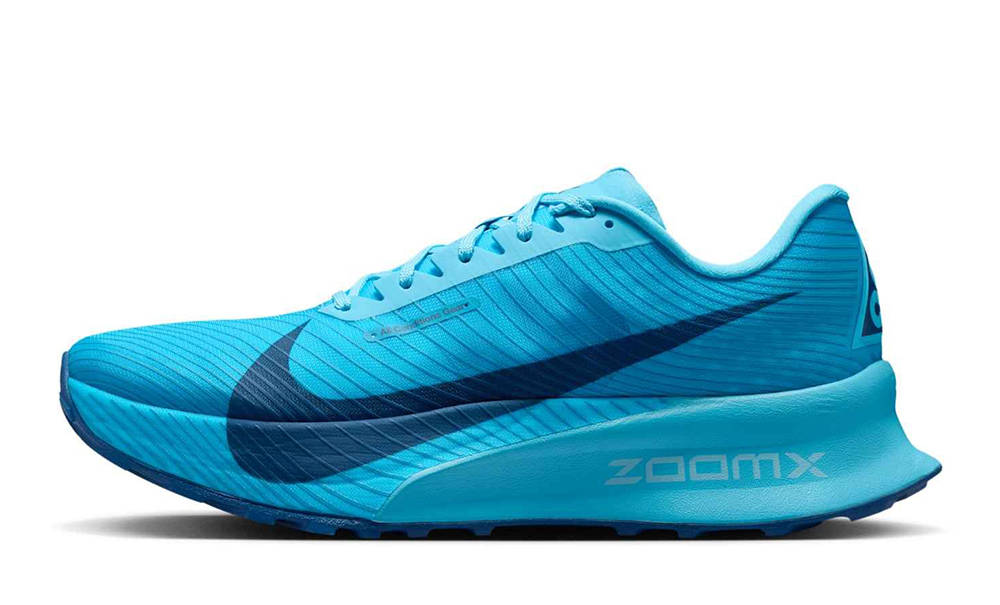
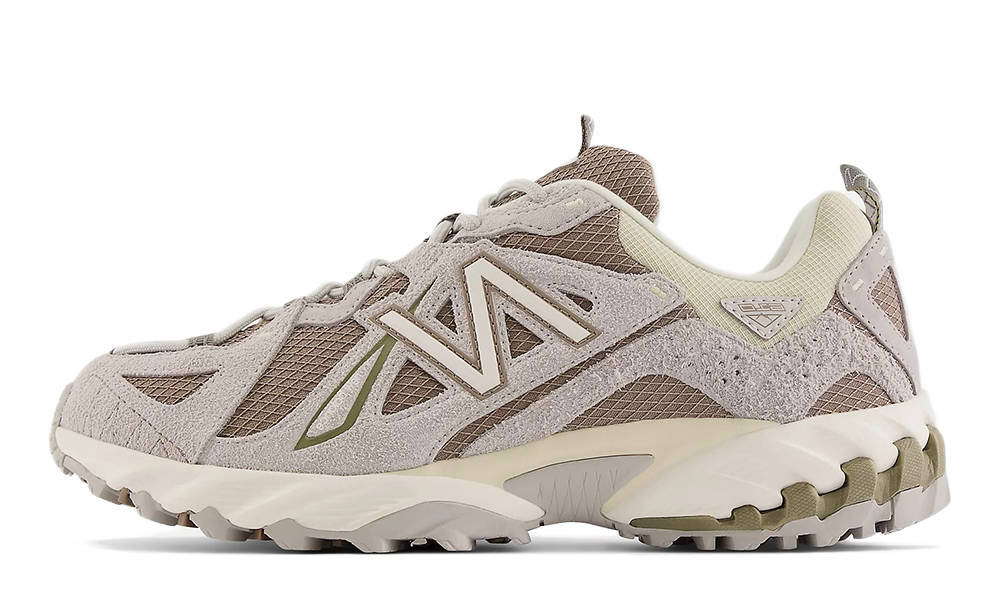
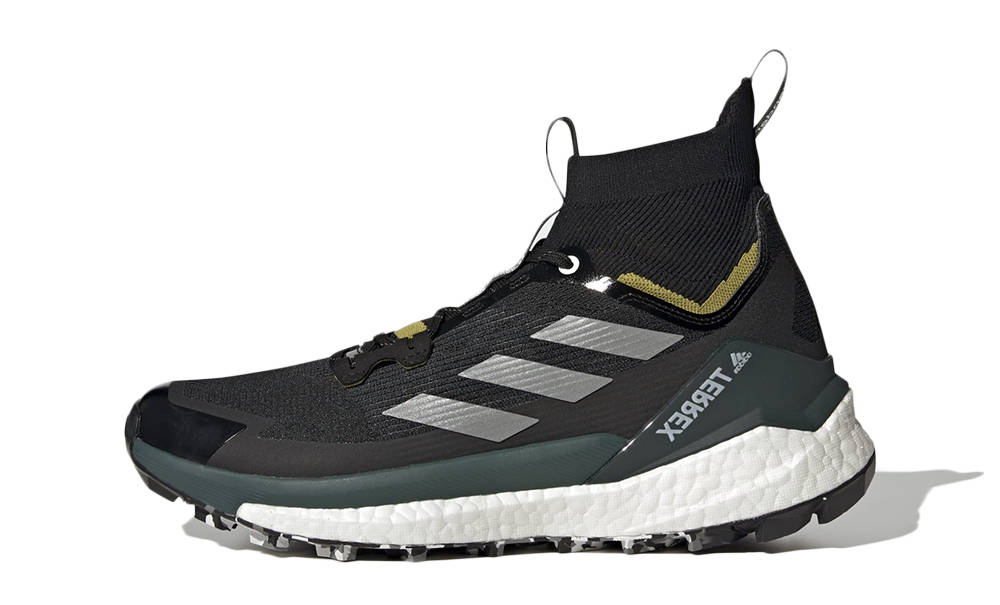
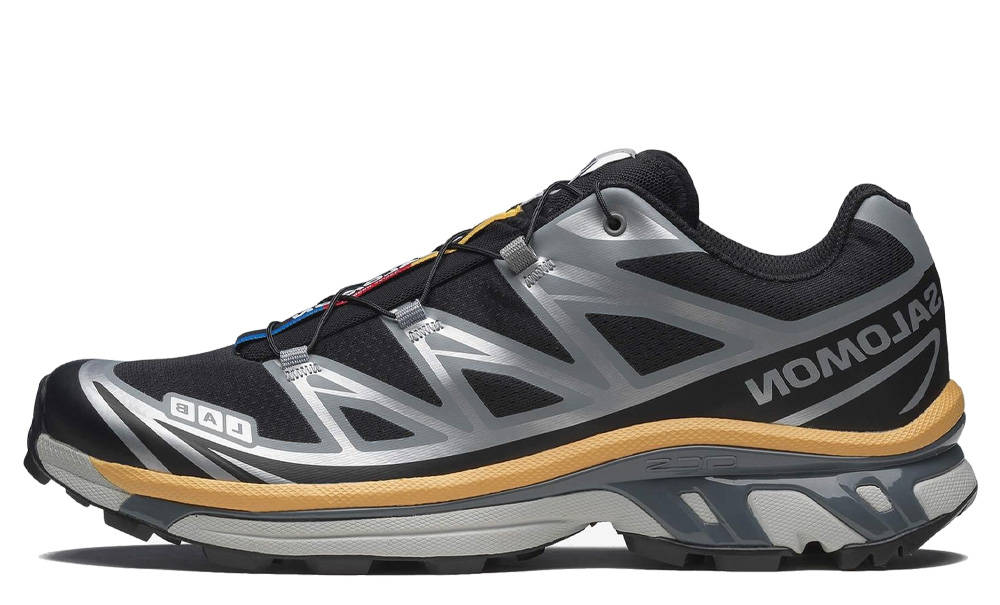
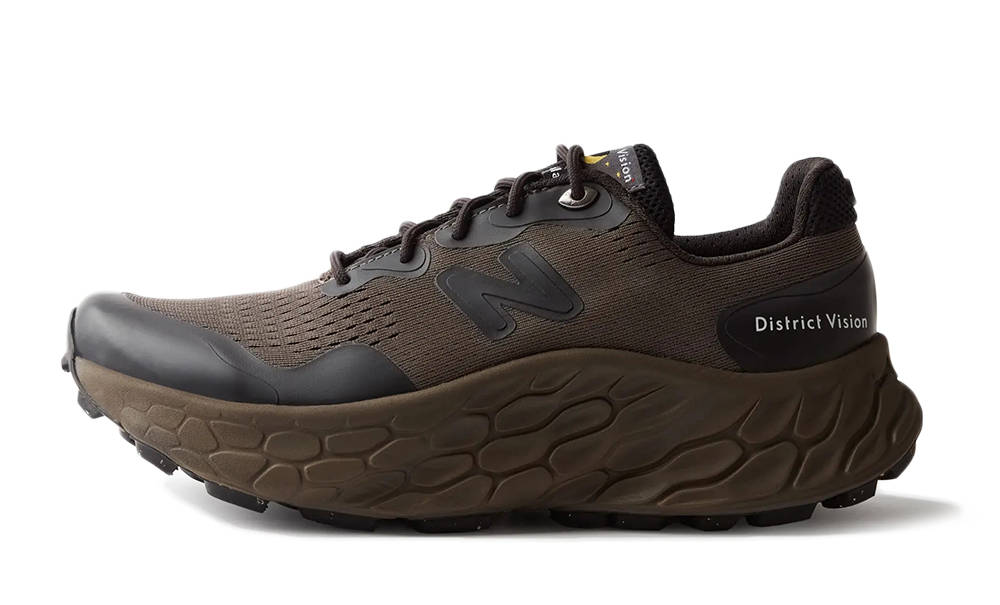
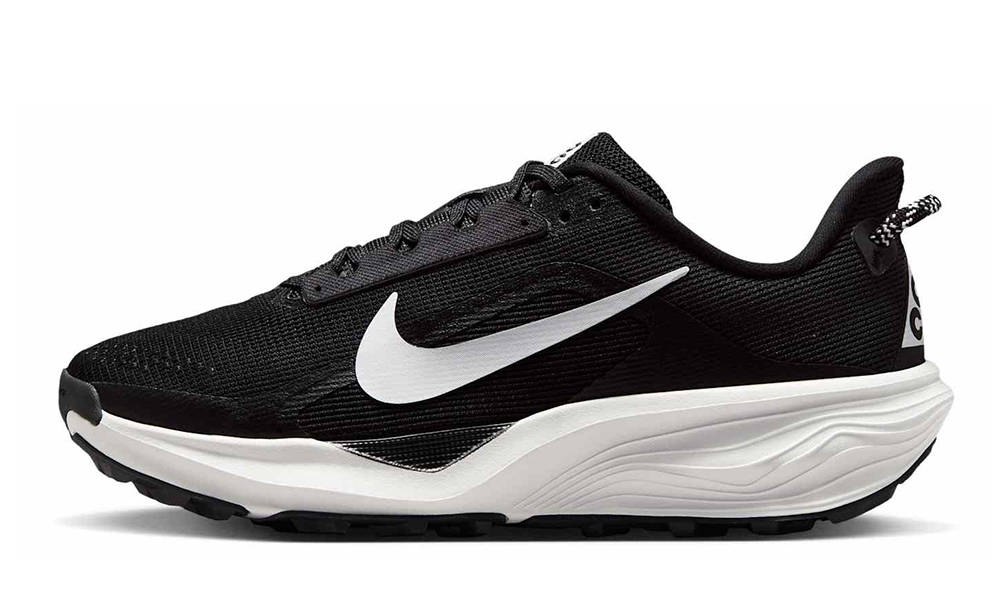
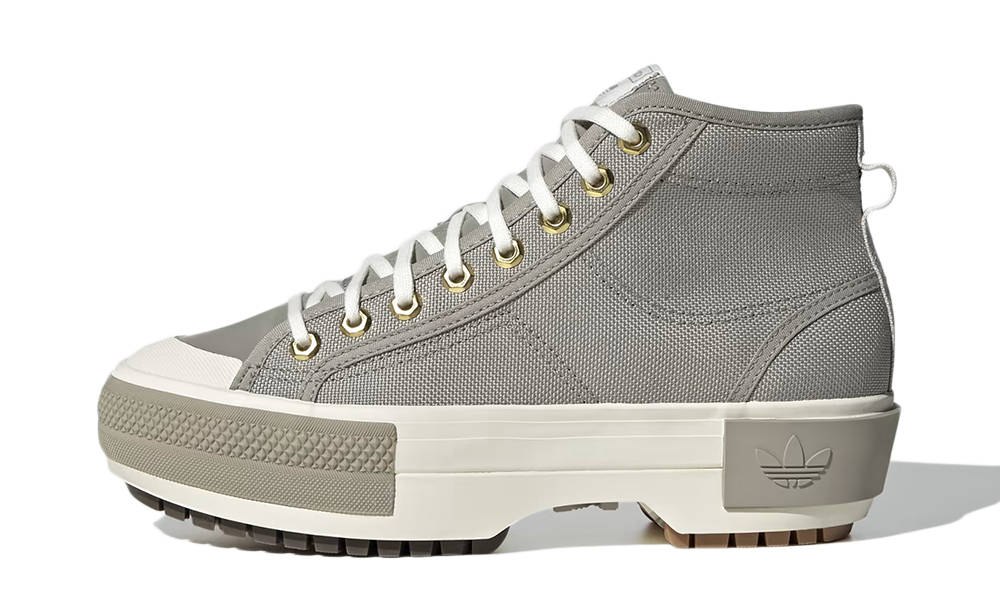
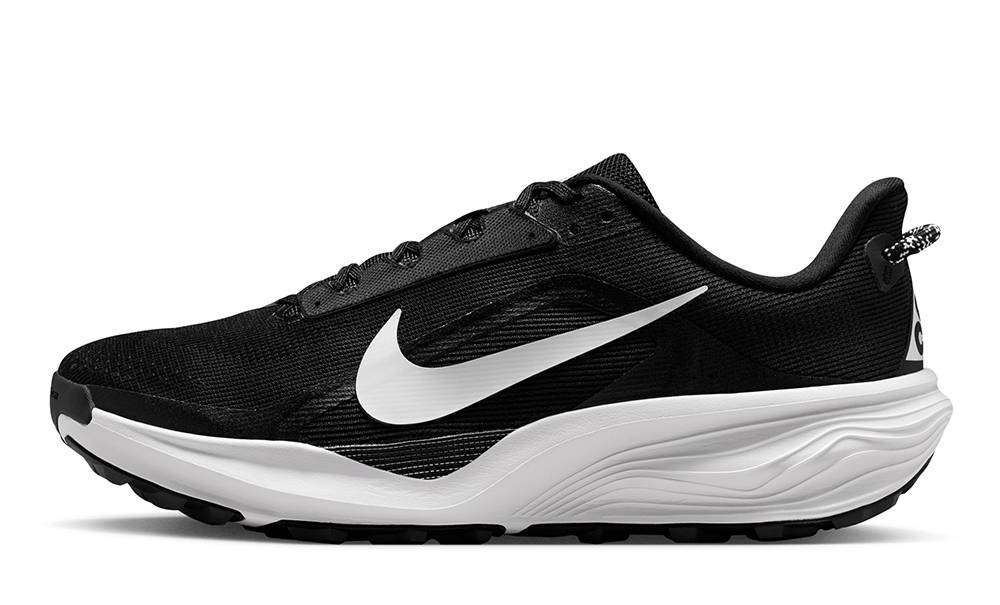
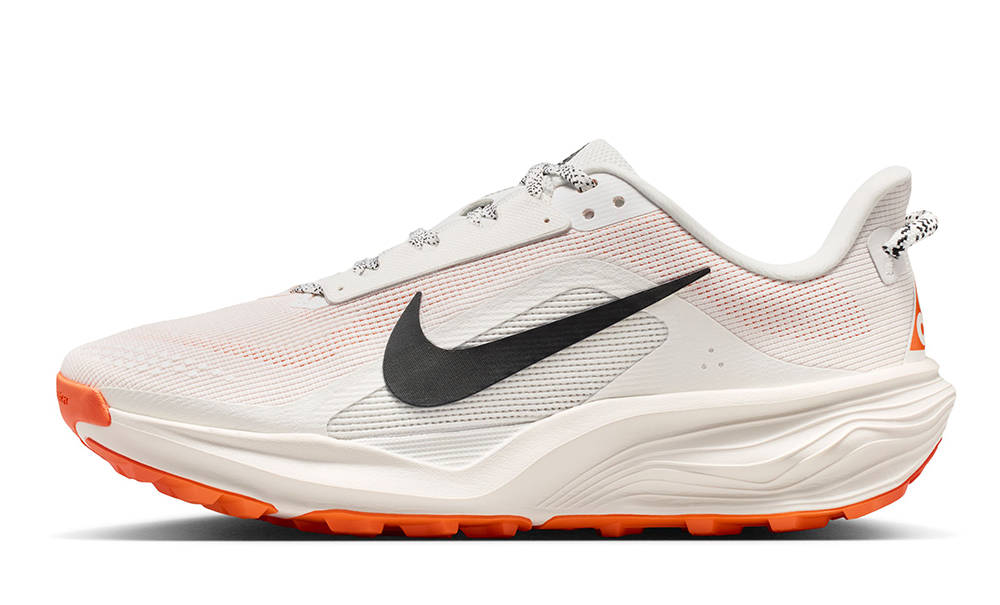
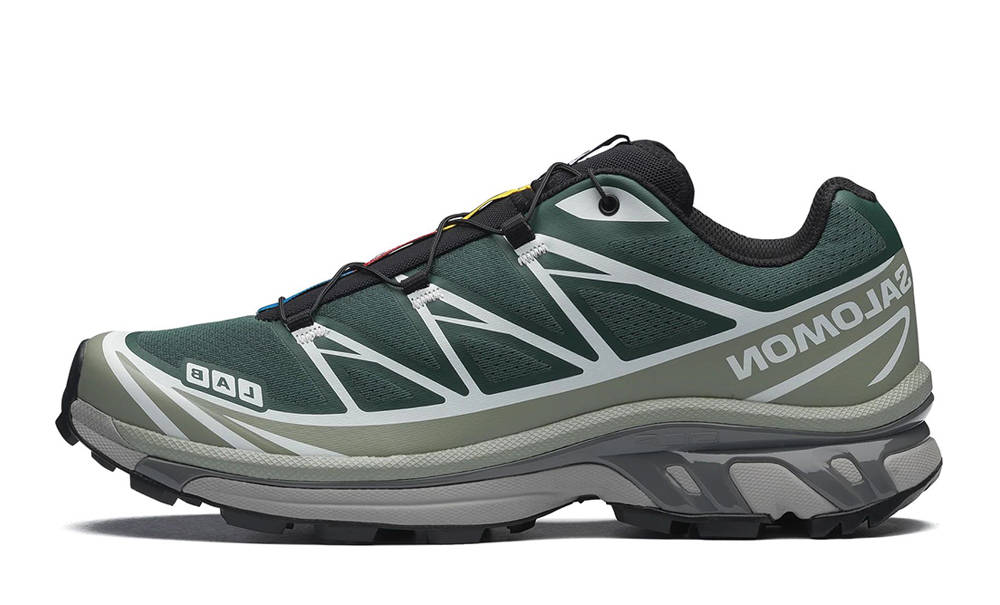
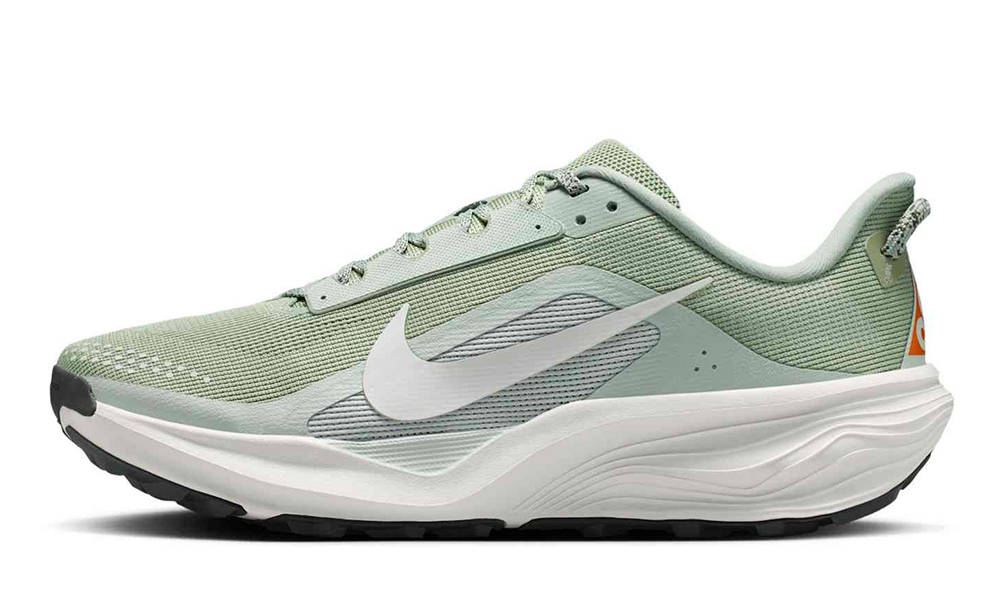
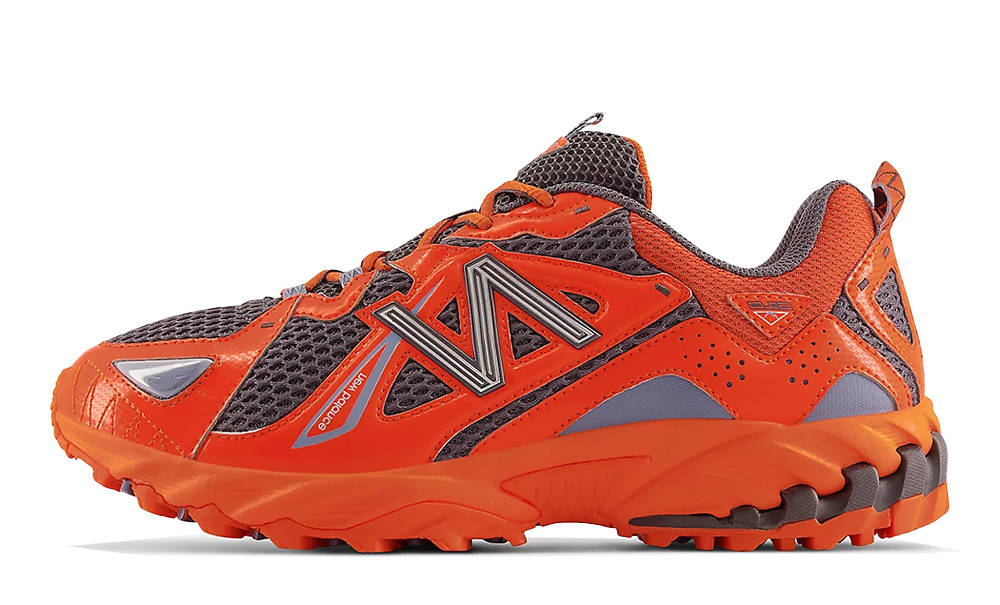
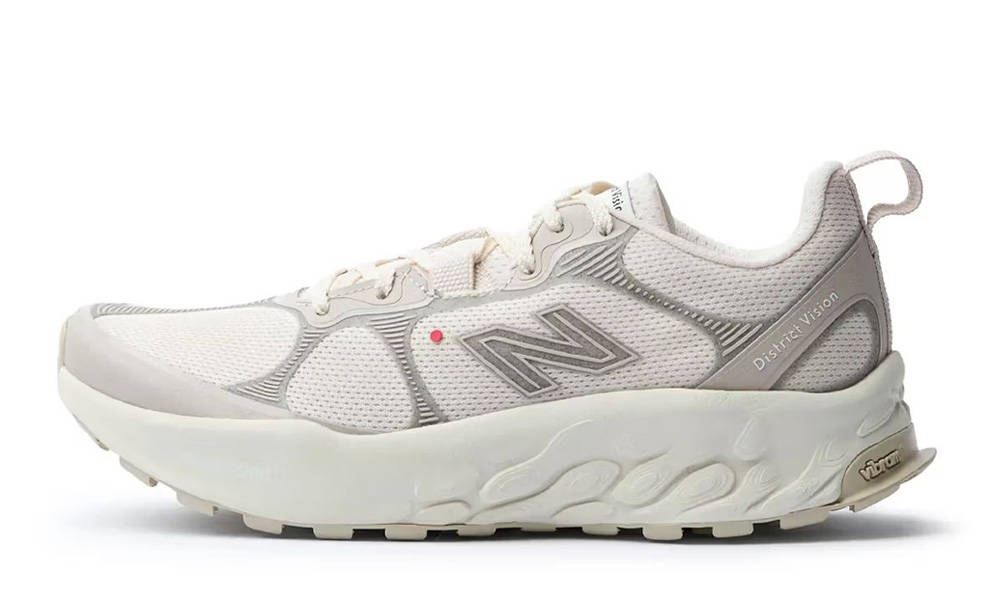
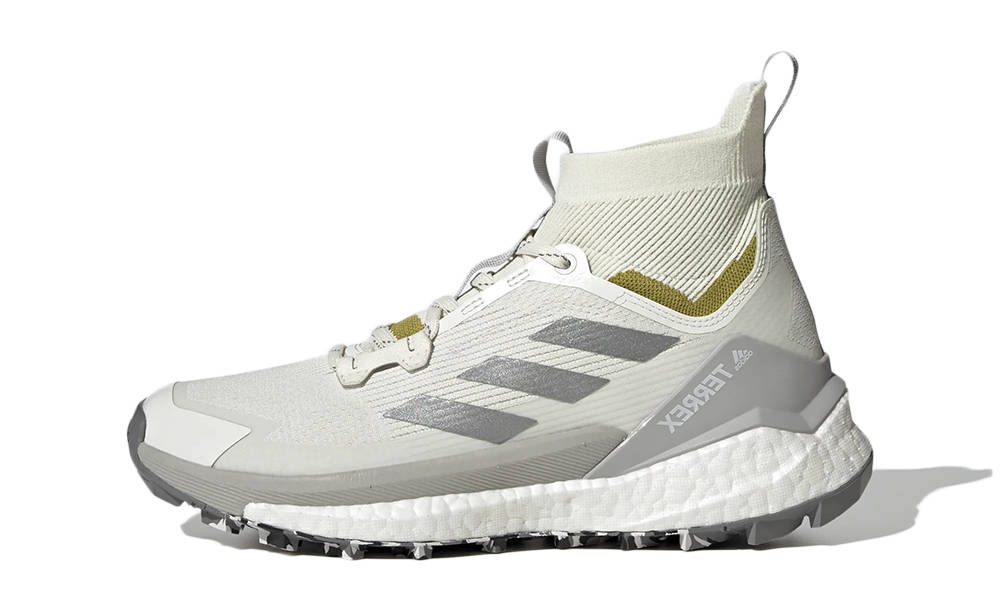
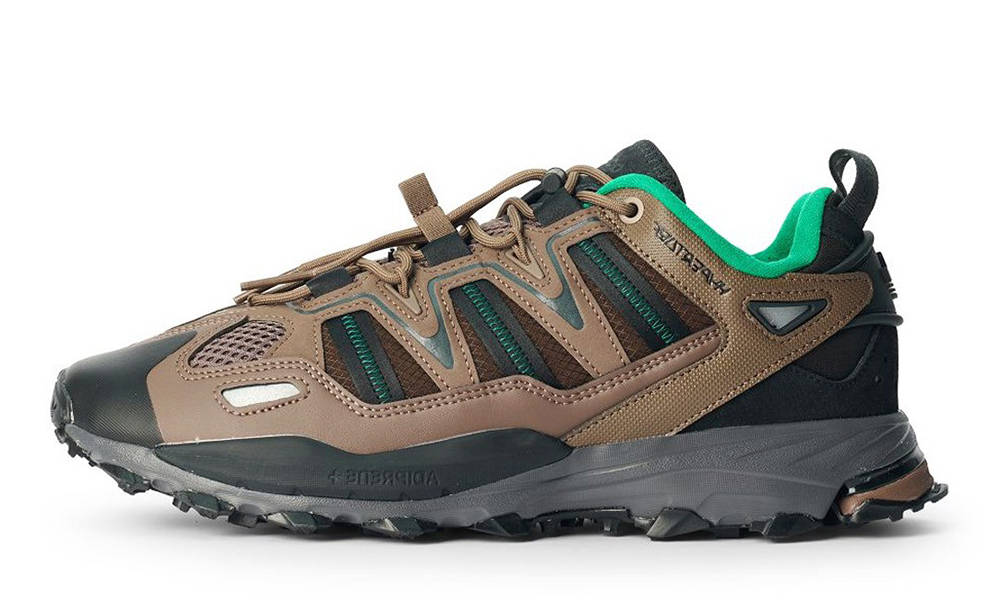
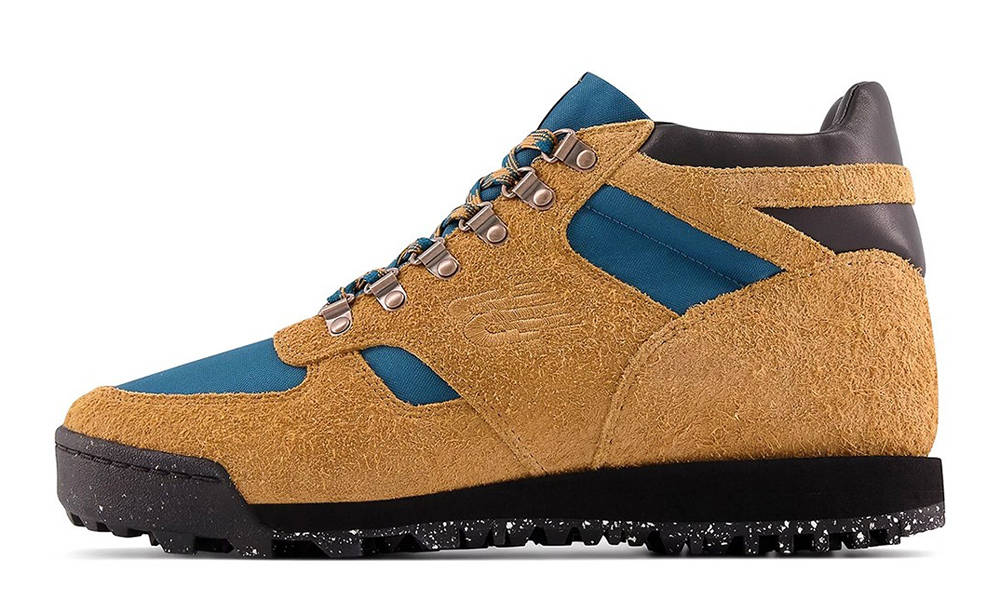
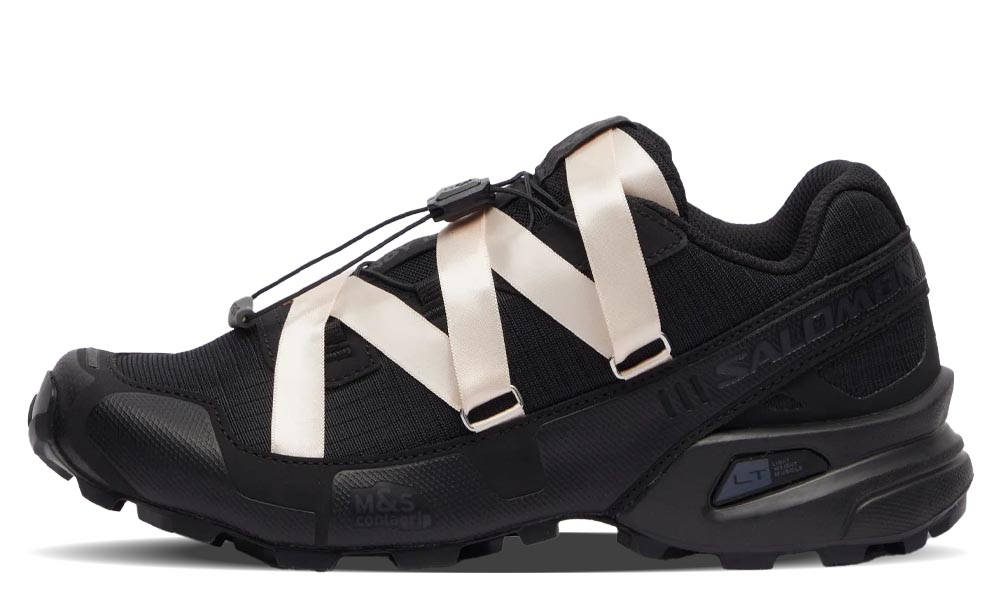
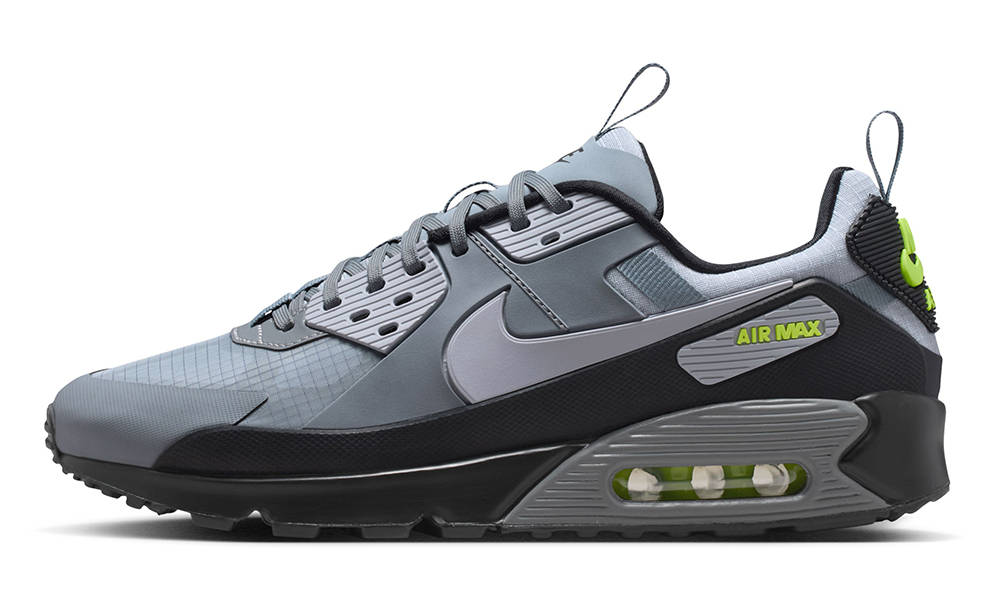
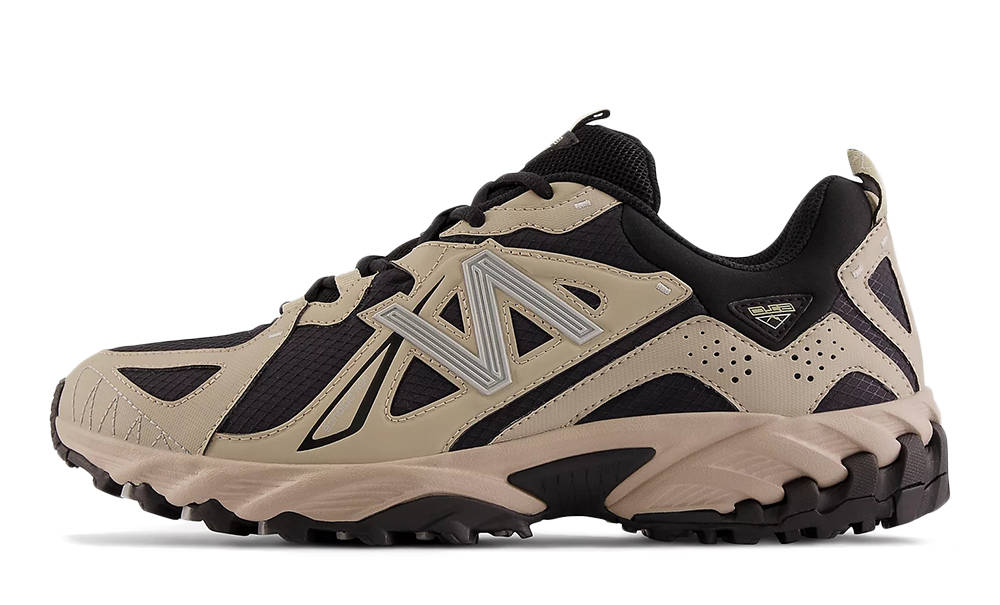
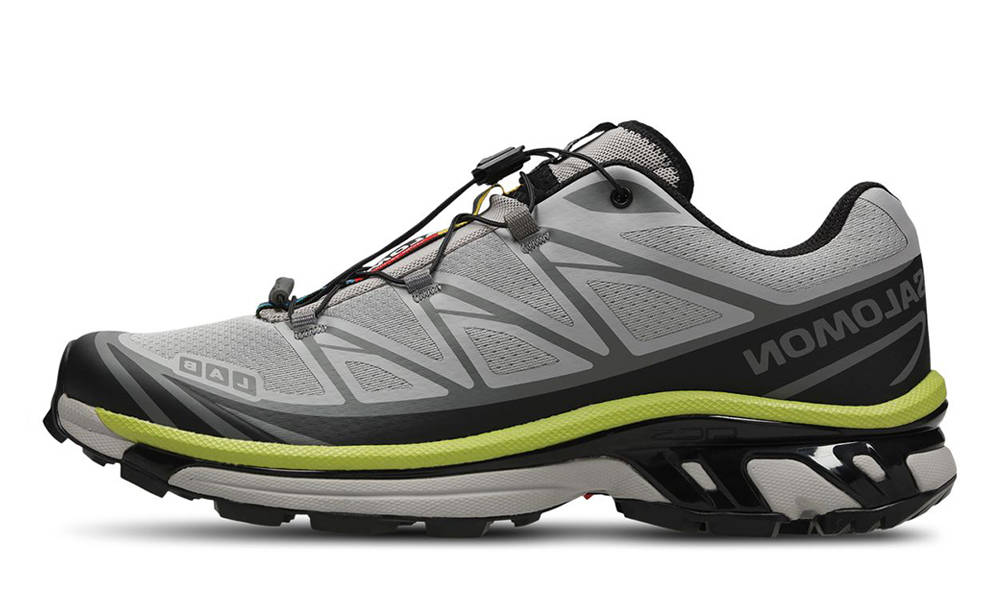
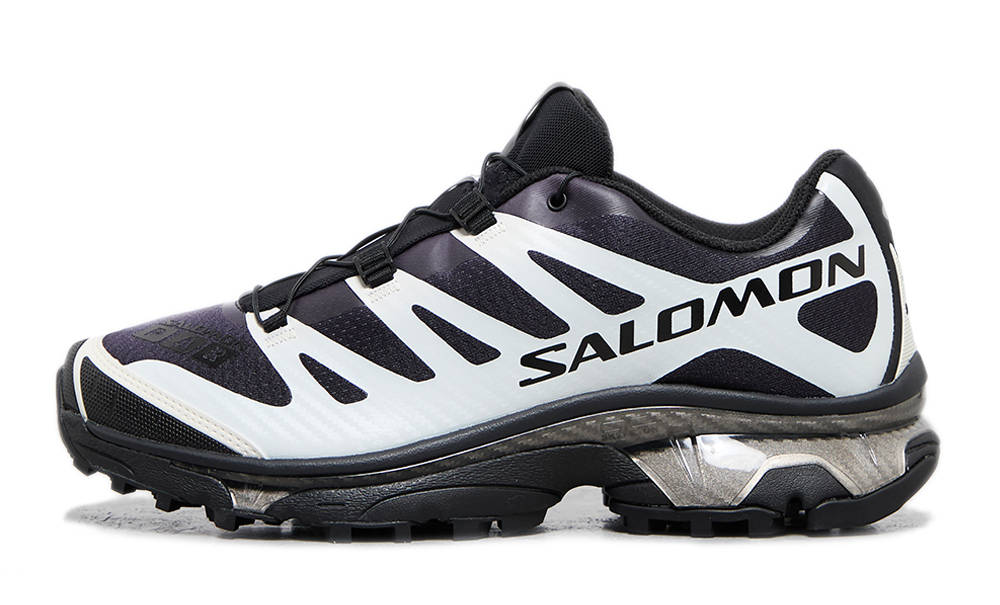
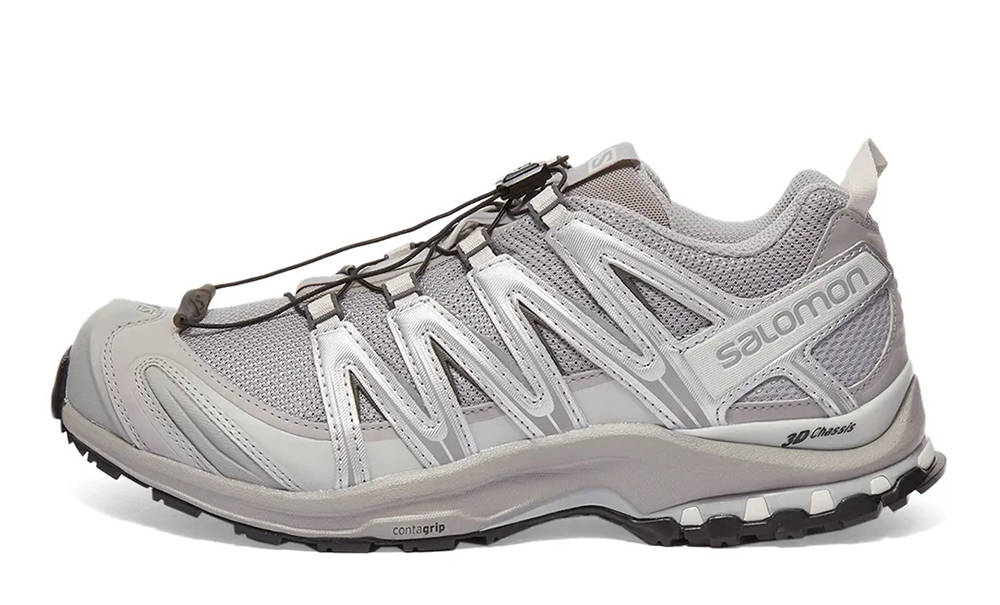
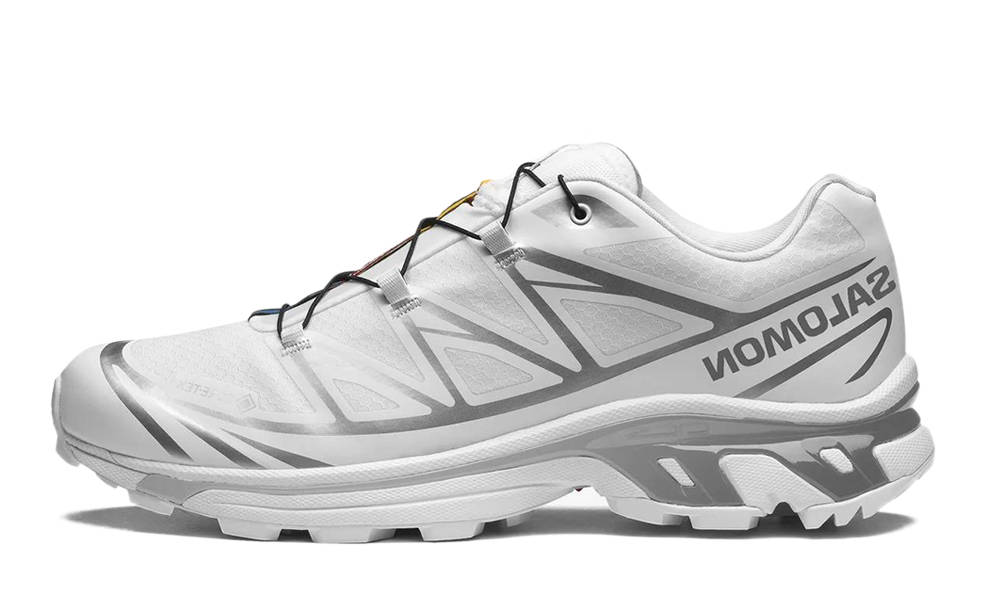
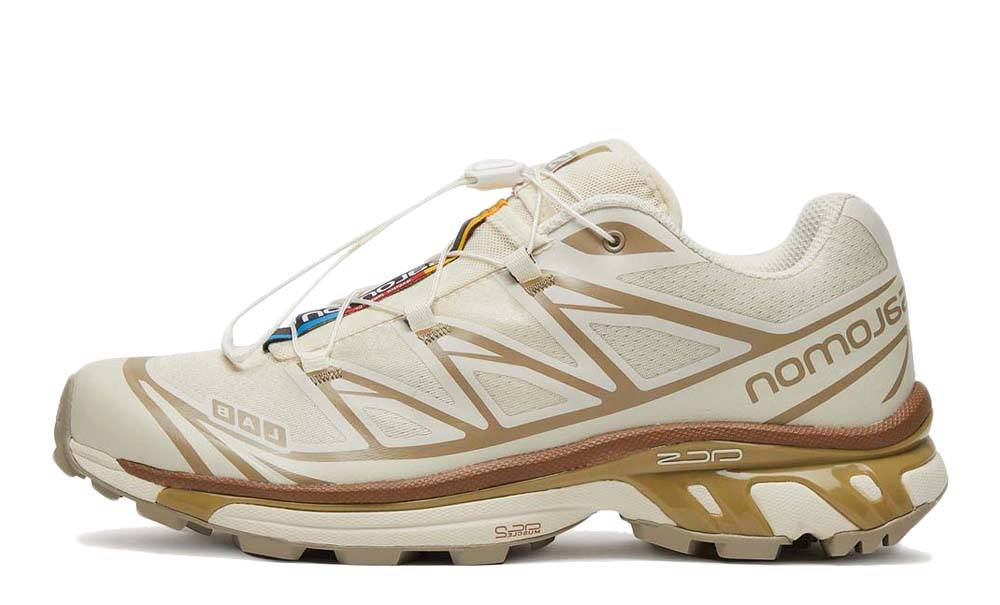
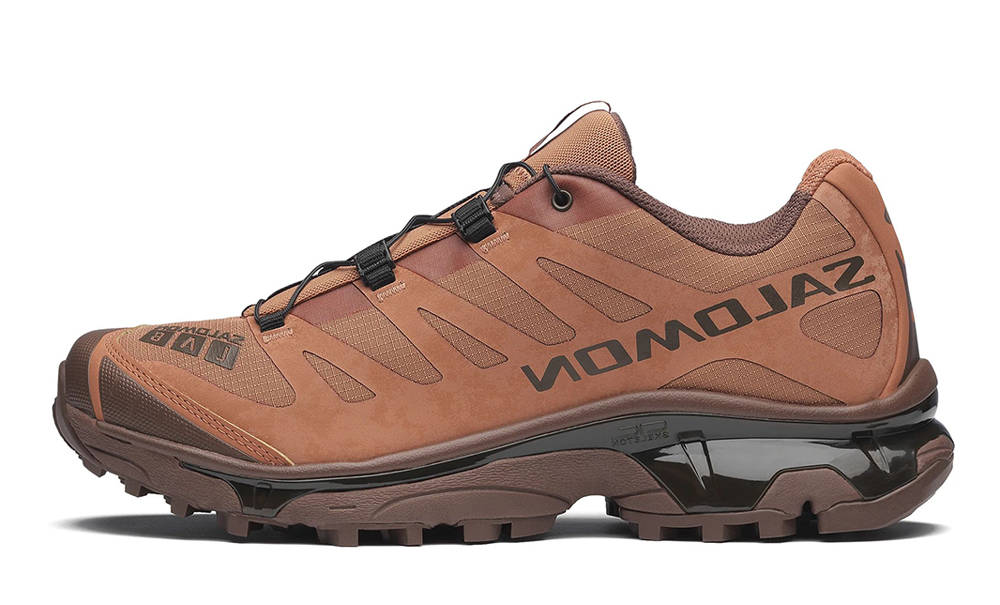
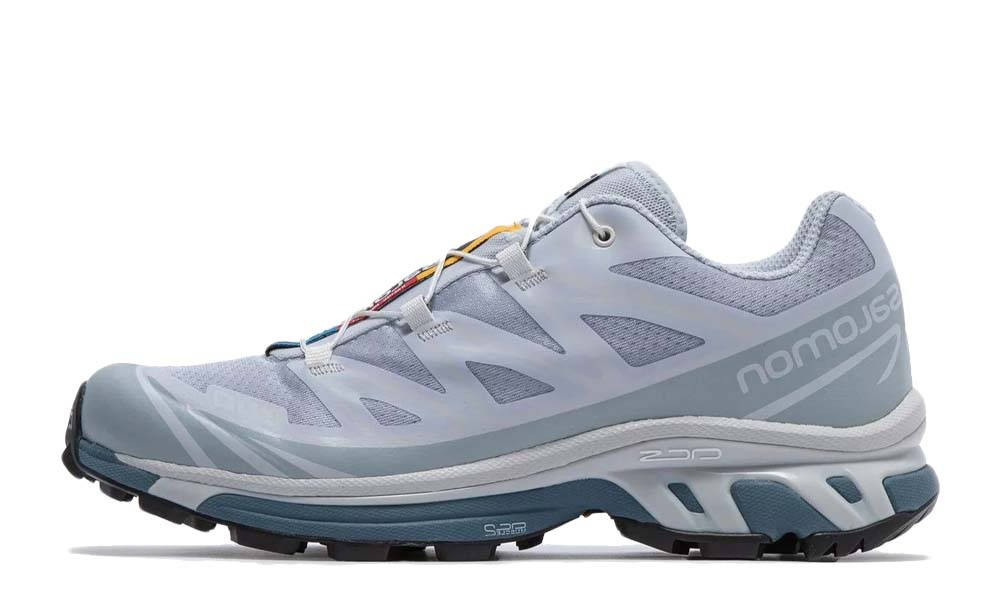
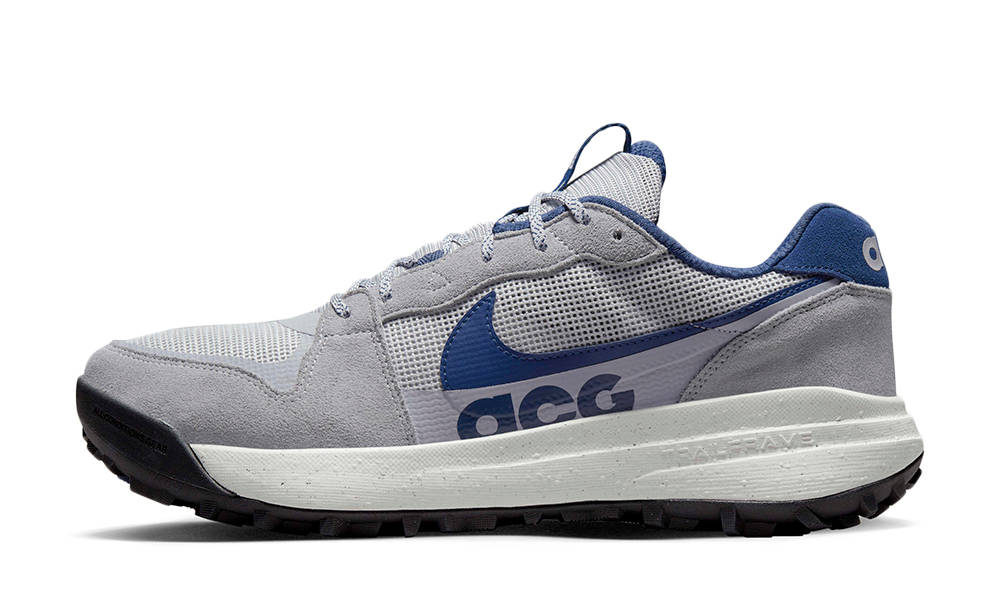
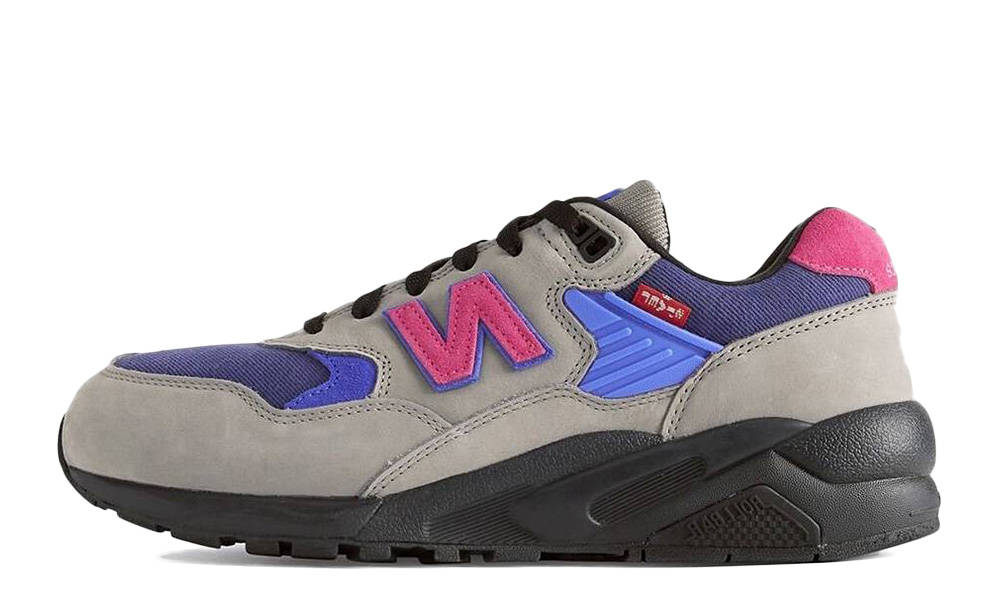
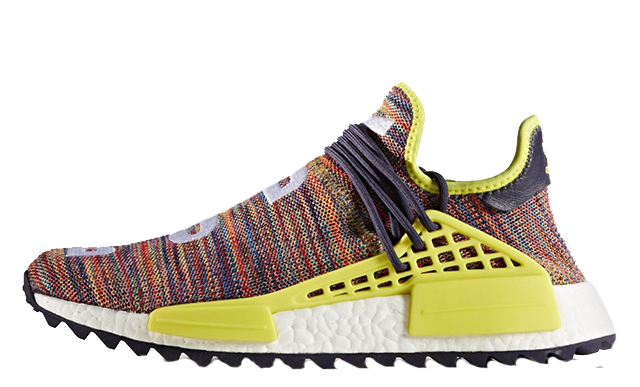
Trail Shoes With Grippy Sole


Select your size for the best results.
iPhone

Tired of missing drops?

Get the app.

4.8

Download on the App StoreDownload now

About Trail Shoes with Grippy Sole


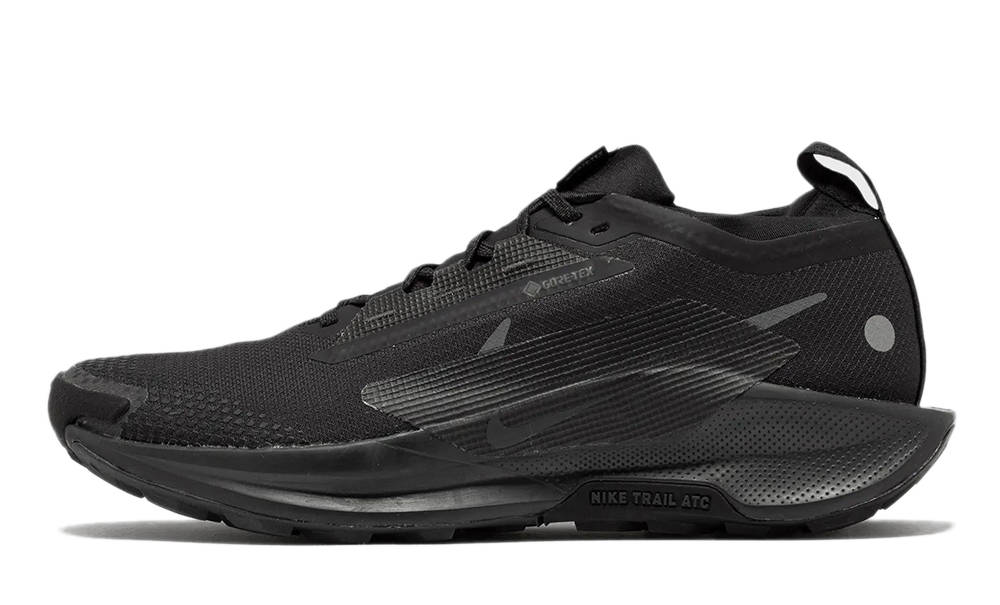
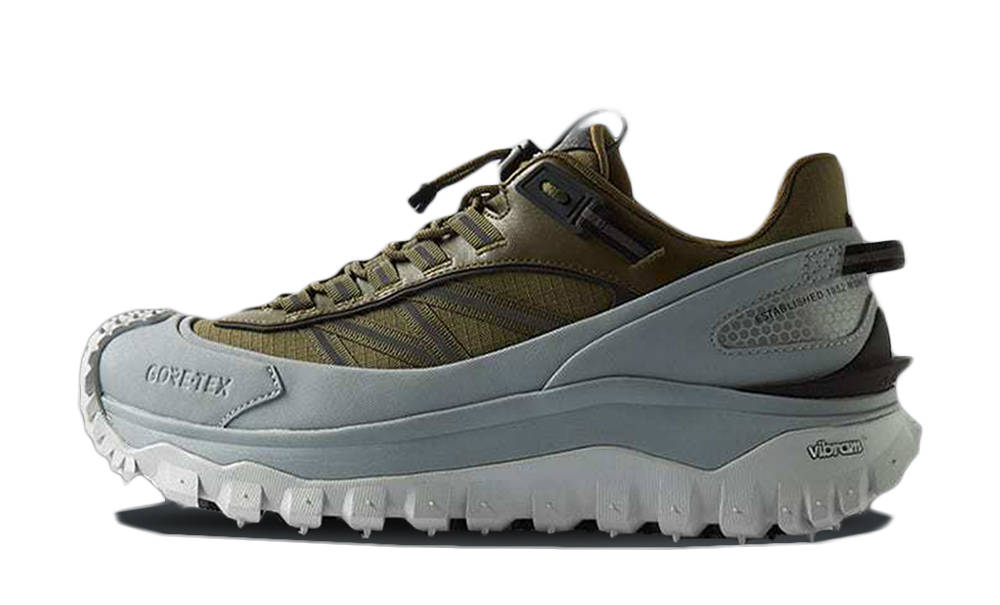
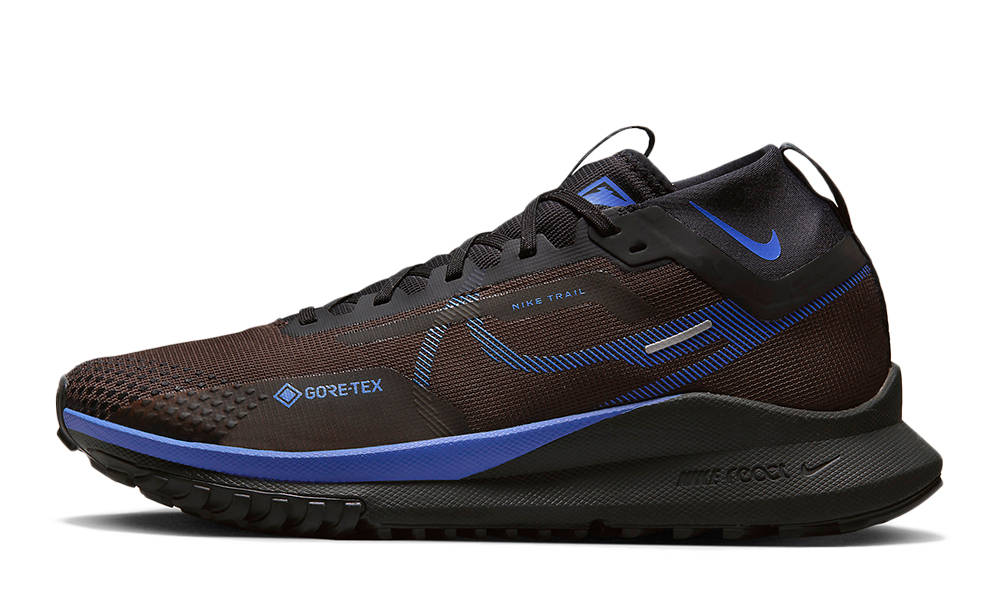
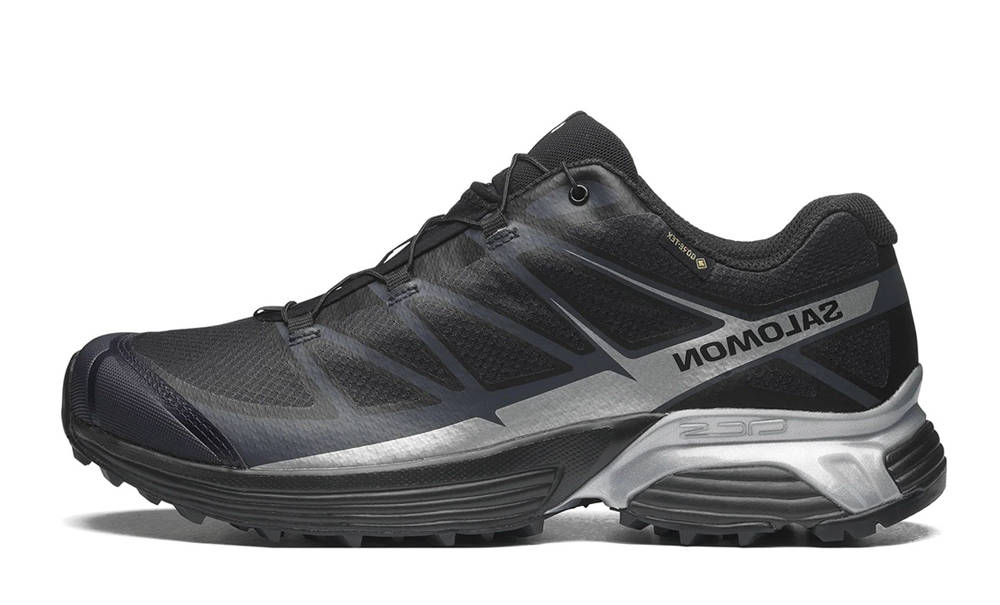
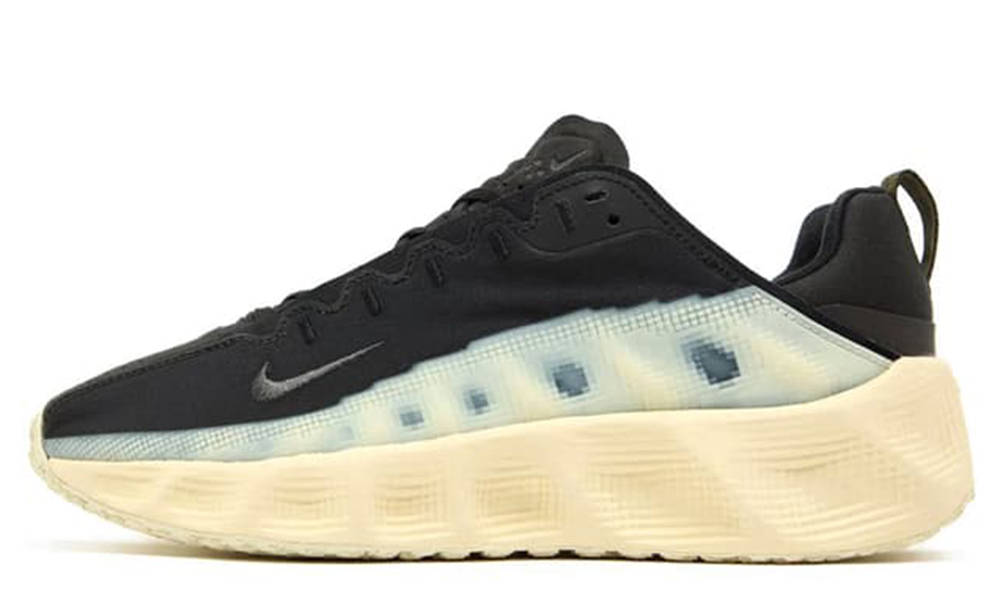
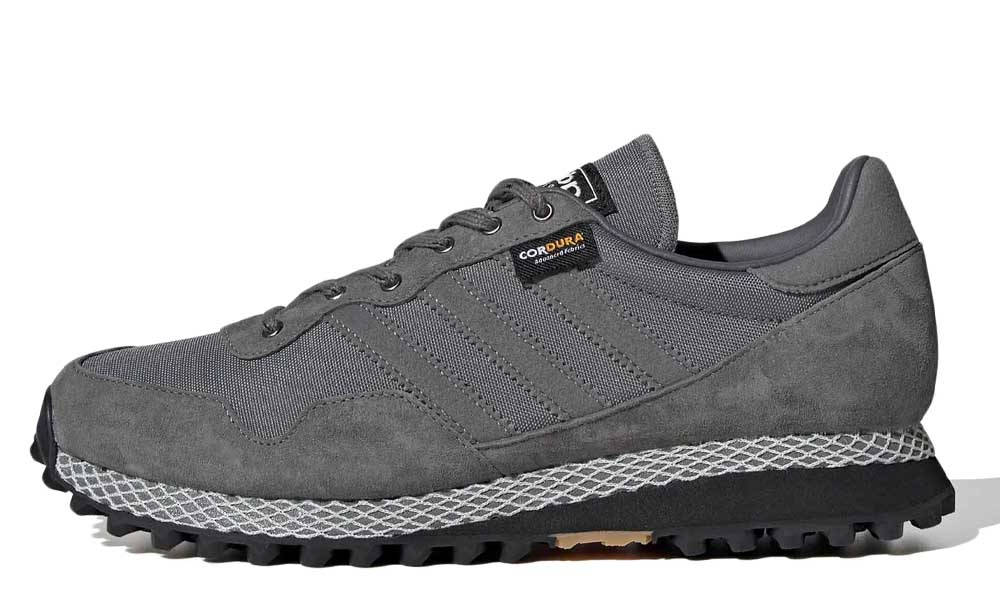
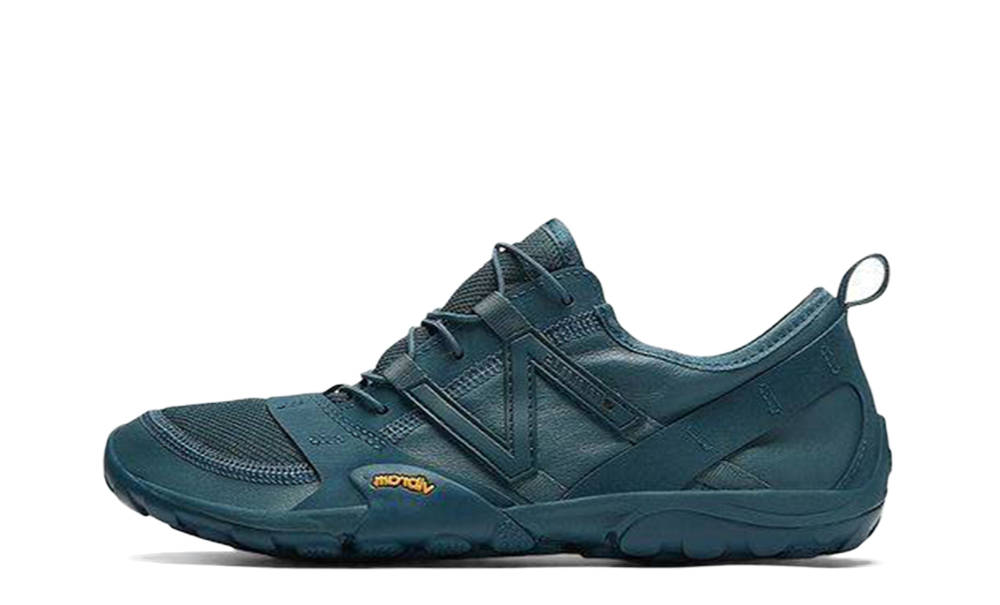
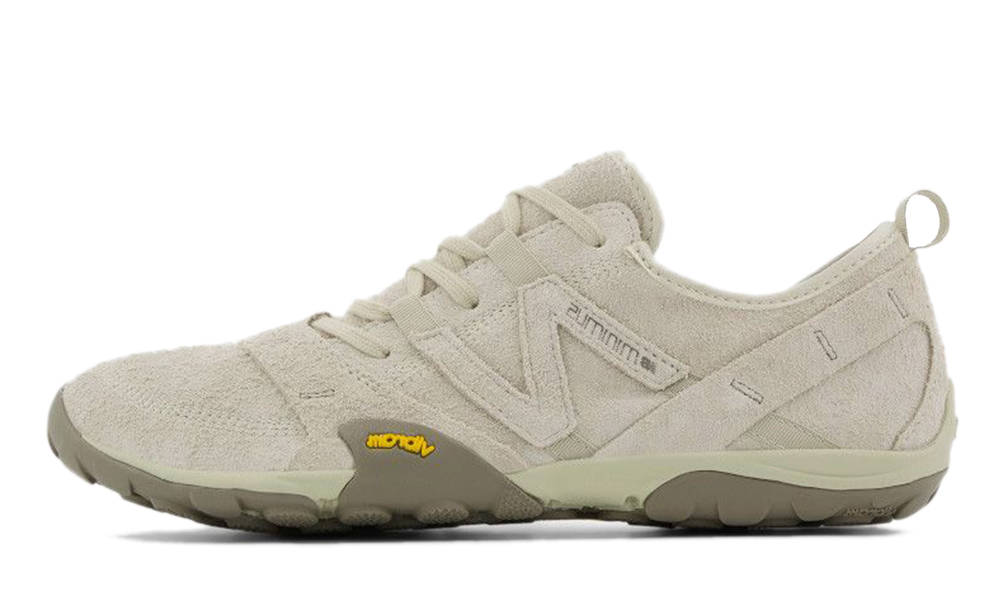
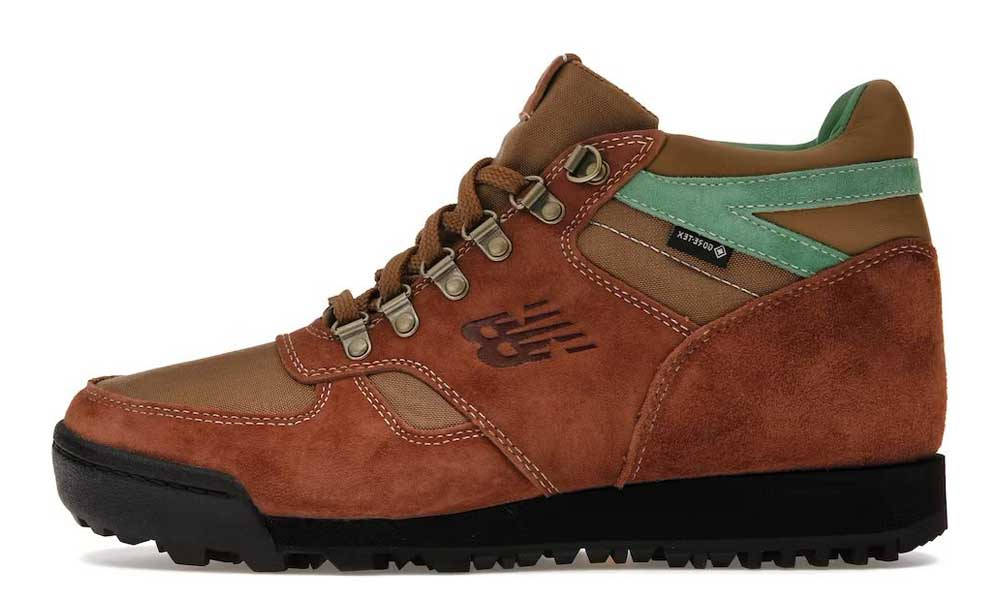
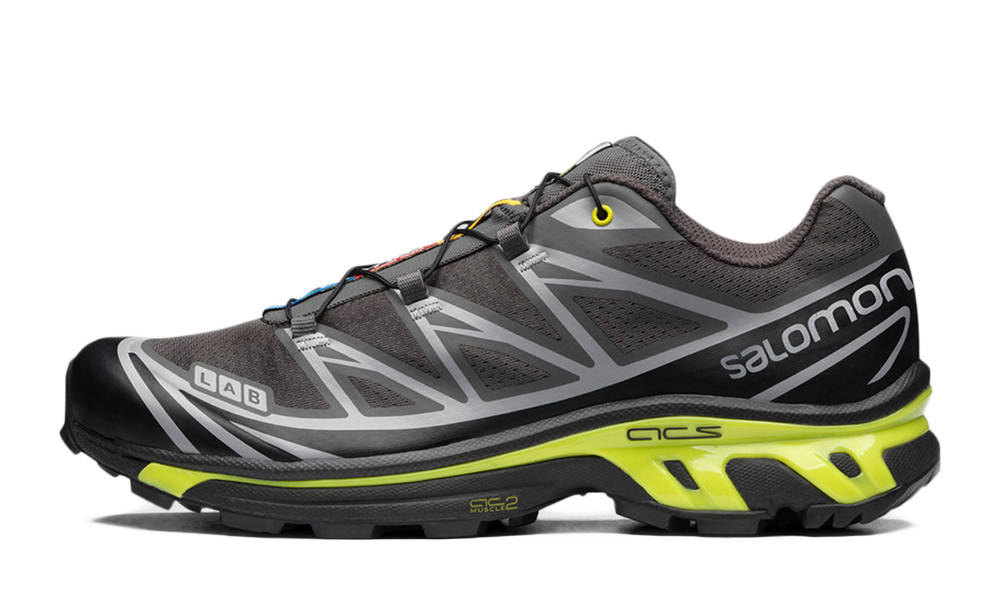
Trail shoes with grippy soles are designed to provide superior traction and stability on various terrains, making them essential for outdoor enthusiasts and avid hikers. Featuring rugged outsoles with multidirectional lugs, these shoes ensure optimal grip on slippery, uneven surfaces, allowing you to navigate trails with confidence. The lightweight materials and breathable construction also enhance comfort, making them ideal for long-distance adventures.

In addition to their traction capabilities, these trail shoes often come equipped with protective features such as reinforced toe caps and water-resistant uppers, ensuring your feet stay safe and dry in challenging conditions. Whether you’re tackling rocky paths, muddy trails, or steep inclines, trail shoes with grippy soles offer the support and durability needed to conquer the great outdoors while keeping your performance at its peak.


What are the benefits of trail shoes with grippy soles?

  • Trail shoes with grippy soles provide enhanced traction on various surfaces, reducing the risk of slips and falls. They are designed to offer stability and support, making them ideal for uneven and rugged terrains, ensuring a safer and more enjoyable hiking experience.

Can I use trail shoes with grippy soles for road running?

  • While trail shoes are primarily designed for off-road conditions, they can be used for short distances on roads. However, their aggressive tread may not provide the same comfort and efficiency as road-specific running shoes on paved surfaces, so it’s best to use them mainly for trail activities.

Are trail shoes with grippy soles waterproof?

  • Many trail shoes with grippy soles feature water-resistant or waterproof materials, such as Gore-Tex, to keep your feet dry in wet conditions. However, not all models are waterproof, so it’s essential to check the specifications if you plan to hike in rainy or muddy environments.
How should trail shoes fit?

  • Trail shoes should fit snugly but comfortably, allowing for some wiggle room in the toes. It’s important to ensure that your heel is secure to prevent slipping, while the midfoot should feel supported without being too tight. Trying them on with the socks you intend to wear can help achieve the best fit.

How often should I replace my trail shoes?

  • Trail shoes should typically be replaced every 300 to 500 miles, depending on usage and terrain. Signs of wear, such as reduced grip, visible damage, or discomfort during use, indicate it’s time for a new pair to maintain optimal performance and safety.